
dogs
A compact winter dog-walk bag checklist
Organise a winter dog-walk bag with a practical packing checklist, storage ideas and a review of the supplies you already own.
Published 17 October 2026
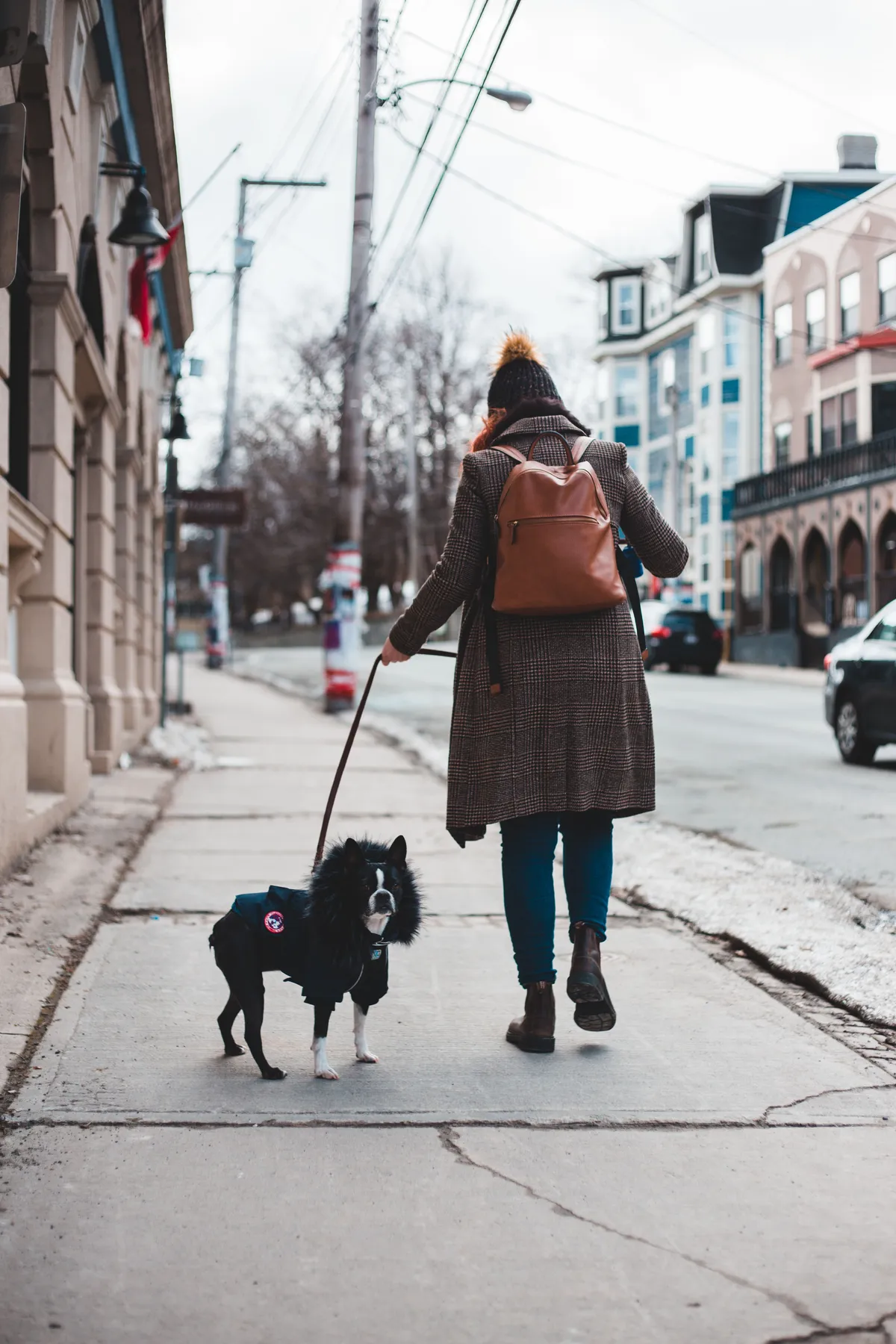
Preparing for winter dog walks in the UK isn't just about keeping your dog warm—it's about efficient organisation and using what you have on hand. A little planning goes a long way towards smooth, safe outings. This guide offers a practical checklist to help you decide what to pack, figure out what’s already in your cupboards, and involve household members in the process. Selecting the right essentials and planning where to store your bag can save time each day, ensuring your dog’s winter walks go off without a hitch.
Start by Listing Owned Winter Dog Walk Gear
Before you buy or pack anything new, make a list of the items you already have at home. This could include leads, portable torches, towels, old reflective vests, and spare waste bags. Lay out your winter-specific items and check for duplicates, missing essentials, or things you rarely use. You might find that a torch or a visible lead you already own is perfectly suitable for darker walks, as advised by PDSA. Consider starting an inventory checklist for your household so everyone knows where each item should go after use. If you are unsure if an item is still tucked away in another jacket or stored in your car, ask all family members to check their usual spots before adding it to any shopping list.
Decide Which Items to Keep in Your Walk Bag
Think about which essentials need to stay packed and which you’ll fetch before each walk. Some items—like waste bags or a roll of clean-up cloths—are convenient to always keep in your bag. Others, such as treats or a torch, might be checked and replenished as necessary. Ask: do you want a single shared family walk bag by the door, or do different members prefer their own? Assign locations so you aren't searching every time: for example, storing the walk bag near your dog's lead or hanging it on a hook by the front door. Review the bag’s contents regularly and encourage each household member to double-check before heading out.
Create a Practical Packing Checklist
Develop a clear checklist to help you pack consistently for winter conditions. Refer to recommendations like the PDSA's advice to consider a torch and visible clothing for late or overcast walks. Your list might include: lead or harness, torch, reflective accessories, portable water bottle, small towel, waste bags, and—if your dog has thinner fur—a suitable coat. Circulate the checklist in a shared spot—such as a kitchen noticeboard—or keep a digital copy that household members can review before each walk. This way, whoever is taking the dog can easily run through the list and verify nothing is forgotten.
Rotate and Refresh Items Based on the Weather
Winter weather is unpredictable. On milder days, you might leave extra layers at home, while snowy or rainy walks may require towels for drying off and wiping paws, in line with RSPCA recommendations. At the start or end of the week, do a quick inventory: which items need washing, replacing, or swapping out? You can even keep a seasonal bin of accessories near the door, making it easier to switch items in and out depending on the day’s forecast. Get the whole household involved; assign someone to check the forecast and update the bag’s contents if heavy rain or ice is due.
Plan for Paws, Play, and Safety
Check whether you need to pack a cloth for wiping your dog’s paws, especially after snowy or icy walks. Both PDSA and RSPCA advise cleaning paws and tummies after exposure to grit or salt on winter roads. Ask household members to double-check the bag contains what you’ll need to clean up during and after each walk. For days when walks are shorter, refer to your indoor play collection—keep a note if you need to add or update toys for enrichment, as indoor activities can supplement fresh air outings. Organising your toy storage can help everyone quickly find enrichment items on colder or wetter days.
Adapt Your Bag to Your Dog’s Needs
Not every dog needs every winter accessory. RSPCA emphasises adapting routines and packing to each individual dog. List relevant items for your dog’s breed, age, and tolerance to cold—such as whether a coat is required, based on PDSA guidance for thinner-furred dogs. You can involve all household members in a short session to discuss which dog and owner needs require a special item (like a treat pouch, or pocket tissues for muddy noses) each week. Use this discussion to decide whether to add or remove items from the bag or to create a rotation of specialty accessories.
Where to Keep and How to Transport Your Bag
Consider the most practical location for your winter dog-walk bag: close to the door, with outdoor boots, or in a car if you drive to your walking spot. Are you better off with multiple small kits (one each for car, main entrance, and back garden) or a single, centralised bag? Discuss with the whole household—especially if different people take responsibility for walks on different days. Mark bag storage spots clearly, and keep a checklist in or near each bag so it’s easy to see what needs replenishing. If you have a porch or boot room, these could be ideal spots for bag storage and quick access.
Organise for Easy Maintenance and Shared Use
To keep your winter walk bag ready, consider scheduling one day a week for a quick review—emptying rubbish, restocking treats, and washing towels. Appoint a person or set a rota so responsibility is shared. You could stick a simple tick-list with the bag, or use a phone app to keep everyone in sync. When multiple people walk the dog, use colour-coded tags or initials next to items you expect each person to contribute or check. This system can reduce last-minute scrambles and help all household members feel included in winter walk preparations.
Questions & answers
What if I can’t find some items on my list?
Check other storage areas, coat pockets, or cars before replacing missing items. Involve other household members, as someone else might have moved the item or know where it’s stored.
Should I pack a dog coat for every walk?
Not every dog requires a coat. As PDSA notes, some dogs with thinner fur may benefit, so consider your dog's breed and comfort level before packing.
How do I make sure my bag is always ready?
Choose a regular day each week to check, wash, and restock your walk bag. Keep an updated checklist in the bag or on your phone, and remind household members to report when something runs low.
What should I do about road salt or grit?
Bring a towel or wipes to clean your dog's paws and tummy after a walk, as both PDSA and RSPCA recommend, to remove salt and other winter road contaminants.
How can I involve others in walk bag organisation?
Assign roles for packing or checking items, discuss what your dog needs for different outings, and post a visible checklist where everyone can see and tick off required gear.
Related on FetchBoy
Sources
Ad · We may earn a commission from these links, at no extra cost to you. Product types and features are buying guidance; check the retailer’s listing for details.