
dogs
Start Loose Lead Training for Dogs Indoors: Practical Setup Steps
Learn to begin loose lead training for dogs indoors with step-by-step tips for setup, rewards, session routine, and tracking progress.
Published 23 November 2026
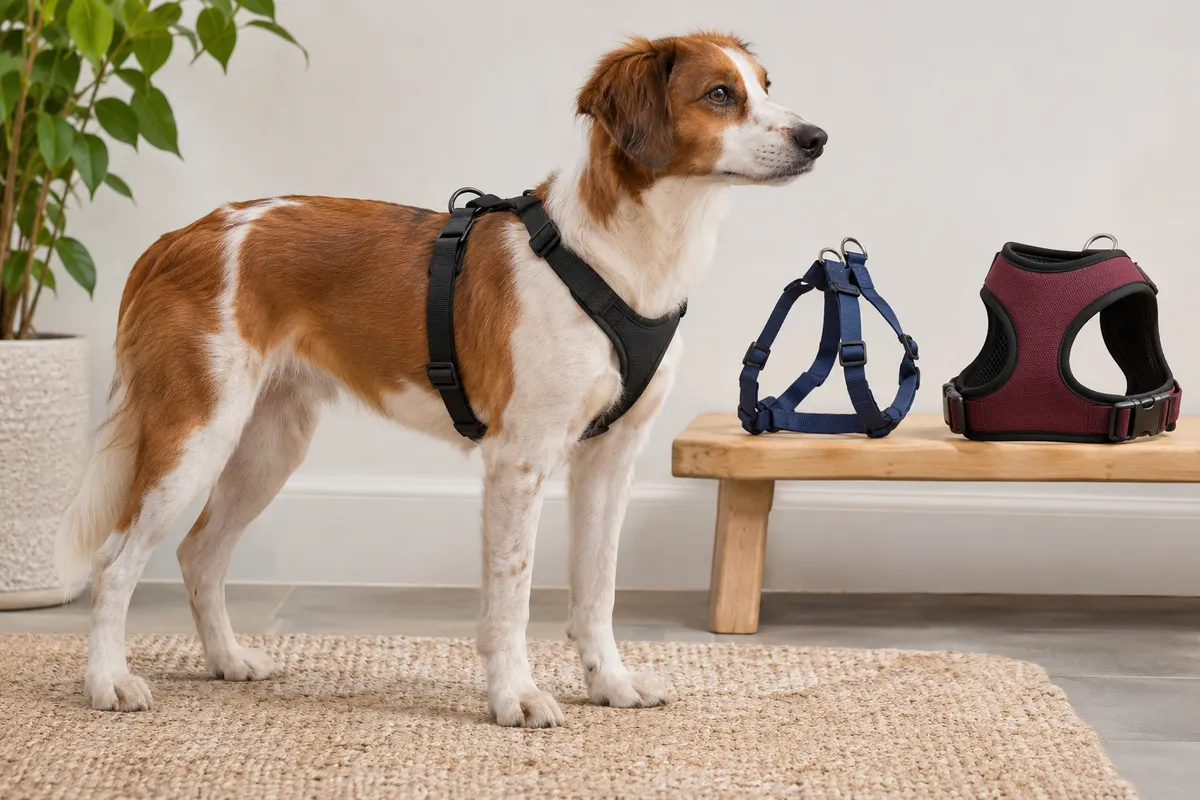
Loose lead walking is a key skill for enjoyable everyday outings with your dog, but getting started is often easier if you begin at home. Indoor training sessions offer your dog a familiar, calm environment where they are less likely to become distracted by outside noises, scents, or other animals. This foundation helps dogs of any age learn to walk politely on a lead before facing the challenges of the wider world. Drawing on the latest guidance from UK animal charities, this focused guide explains why an indoor start makes sense, how to set up your training area practically, and which simple routines keep the process positive. Clear steps are included for managing spaces, organising supplies, picking rewards, and pausing effectively. You’ll also find suggestions on adapting sessions to your home and household routine, so you can create a consistent, successful practice plan. Whether you’re new to dog ownership or just want to improve walk-times, starting with thoughtful, low-pressure indoor training makes loose lead walking more achievable for everyone involved.
Why Start Loose Lead Training Indoors?
Indoor environments dramatically lower the number of distractions for your dog, helping them pay closer attention as they first practise loose lead walking. UK animal charities recommend beginning inside the home so your pet can focus on learning the basics in a place where they feel secure. Without the bustle of outdoor spaces, dogs are less likely to become startled or sidetracked by crowds, wildlife, cars, or unfamiliar smells. This controlled setting lets you introduce cues and routines gradually, so your dog can build confidence step by step. If you have a puppy or any dog new to this skill, the protection of your living room, hallway, or kitchen encourages positive associations with both you and the training process. Practising at home also lets you adjust the routine to suit your personal schedule and environment, making it easier to commit to regular, consistent sessions.
How to Prepare Your Home Environment
Preparation is key for stress-free training. Choose a space with enough room to walk a few steps comfortably—common options are a hallway, sitting room, or open-plan kitchen. Remove anything your dog might trip on, such as shoes or cables. Check if you have carpets for better grip or hard floors—where placing a rug or mat can prevent slipping. Decide if one area works best for all sessions, or if switching rooms now and then helps your dog become familiar with calm walking across different surfaces. Once your spot is picked, let other household members know about training times so they can avoid causing distractions or can support you quietly. To make setup simple, create a checklist: lead, collar or harness, treats, and maybe a treat pouch. Store these items together to cut down on time spent hunting for supplies, making it easier to stick to a routine even on busy days.
Setting Up Short, Regular Training Sessions
Most UK charity advice recommends several brief training sessions rather than rare, lengthy ones. Aim for five-minute intervals—often enough for your dog to learn, but short enough to keep focus and avoid frustration. You could schedule sessions around daily routines, like before breakfast or after a midday walk, to make them a regular habit. If multiple people live in your home, take turns leading sessions, or set up a simple rota or planner to help everyone keep track. Between sessions, let your dog relax or play so training remains positive. If you miss a planned session, don’t worry—just pick up at the next opportunity. The key is regular, low-pressure practice. Noticing progress in short chunks helps reinforce your own consistency while giving your dog lots of opportunities to succeed.
Choosing Effective Rewards for Calm Walking
Selecting the right rewards makes a big difference. Leading UK dog training advice supports using small, quickly delivered treats whenever your dog walks next to you on a slack lead. Choose foods your dog enjoys—soft snacks work well, or try using some of their regular kibble. Alternatively, many dogs respond to gentle praise or a brief shoulder stroke. Always prepare rewards ahead of time and keep them close by during practice. The reward must come immediately after your dog performs the calm walking you want to encourage. Coordinating with household members to avoid interruptions at crucial moments can help make the connection clear for your dog. If you keep a simple training journal, note which rewards seem most motivating; this can be especially useful for families with more than one person involved in the training.
Responding to Pulling: The Pause and Wait Technique
Handling lead pulling calmly is essential for teaching polite walking. UK animal charities advise that when your dog pulls on the lead during training, you should stop moving and pause until the lead is slack. Refrain from scolding, tugging, or raising your voice. Stand quietly, plant your feet, and wait. As soon as your dog moves closer or returns to your side so the lead goes slack—no matter how small the improvement—offer a gentle reward and resume walking. This approach communicates that only loose lead behaviour allows for forward motion, while pulling halts all progress. All household members should use the same technique for consistency, even during rushed times. Consider keeping a mental tally or brief notes after each session to remind yourself how often you applied the pause and wait method.
Organising Training Spaces for Comfort and Safety
Planning your training spot can enhance comfort and keep things safe. Try to select an area where you can walk back and forth or in a small loop. In a flat or small home, walking around furniture or along a corridor may be necessary. Bigger rooms work for larger or very active dogs, while tighter spaces may be enough for puppies or timid dogs. Before each session, clear away toys, rugs that shift, or fragile items that might get knocked over. Some households find it useful to keep doors closed so the dog can’t wander during practice. If you live with children or other pets, plan sessions for times when the space is quiet. You might keep a small area dedicated to training, or quickly rearrange a room before each practice. Experiment with what’s manageable for your household.
Keeping Reward and Training Supplies Ready
Organising your supplies ahead of time reduces interruptions and helps retain focus during short training bursts. Place treats, a lead, harness, and treat pouch in a basket or container near your chosen practice area. Decide whether to keep this basket out of sight, or where it's easy for any trainer to reach. In shared households, consider making a checklist of what needs replenishing or cleaning, and assigning responsibility among family members—one person can refill treats, another keep equipment tidy. If you prefer, label the basket or storage spot so everything returns to its proper place. Having a clean-up cloth handy for wiping up crumbs or dog hair can also make post-session tidying quick and easy.
Creating a Simple Indoor Training Route
Indoor environments can seem limited compared to outdoor walks, but you can still create interesting practice routes. Walk down a hallway, circle a dining table, or weave around a few pieces of furniture to simulate gentle changes of direction. Occasionally switching up the pattern—trying a zigzag or looping around different rooms—adds small, manageable variety. Some dog owners like to mark start and end points with masking tape or mats, making it clear for every person in the house where to begin and finish. Families might sketch out possible routes on paper for reference, or each take turns choosing a pattern for a session. Changing your walking routine within the home can help keep sessions engaging for both dog and owner without overwhelming anyone with too many new elements at once.
Tracking Training Progress and Adjusting Routines
Monitoring how each session goes can help you spot trends and adjust your approach as needed. Keep a basic log noting the date, time, rewards used, the room or route, and any observations—such as improved focus or unexpected distractions. Sharing the log with others involved in training makes it easier to coordinate efforts and respond to setbacks. If you see a dip in enthusiasm, consider easing off with a few shorter or simpler sessions before returning to usual routines. If sessions seem too monotonous, try changing the practice area or types of rewards. The log offers a clear record of what works best for your dog and household and keeps everyone focused on steady, manageable improvement.
Related reading
Questions & answers
Why should I start loose lead training indoors?
Indoor training reduces distractions, letting your dog focus on learning calm lead walking in a familiar, quiet environment.
How long should each training session last?
Short, regular sessions of about five minutes are recommended to keep your dog interested and avoid frustration.
What kind of rewards are best for loose lead training?
Use small treats or gentle praise as immediate rewards when your dog walks beside you on a loose lead.
What should I do if my dog pulls during training?
Pause and wait. Only move forward again when the lead is slack to consistently teach polite walking.
Sources
Ad · We may earn a commission from these links, at no extra cost to you. Product types and features are buying guidance; check the retailer’s listing for details.