
grooming-health
Slicker brush or de-shedding tool: why coat type matters
Compare two grooming-tool categories without assuming that every brush is suitable for every dog's coat.
Published 29 November 2026
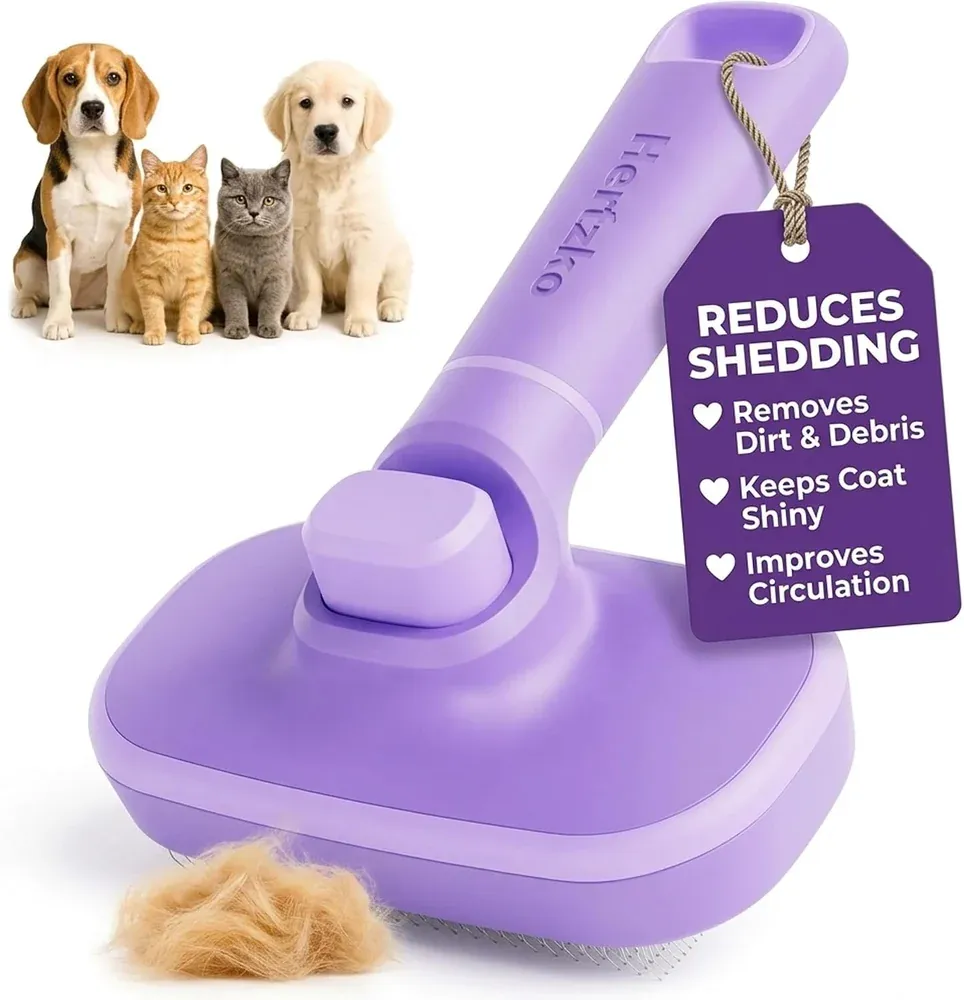
Compare two grooming-tool categories without assuming that every brush is suitable for every dog's coat. This guide focuses on the practical decision behind the purchase, using FetchBoy’s recorded product information. It is an editorial buying guide, not a hands-on product test.
The tools have different purposes
A slicker brush and an undercoat de-shedding tool are not interchangeable merely because both remove hair. Match the tool to the coat and the manufacturer's instructions. FetchBoy's recorded FURminator listing is a specific short-hair, large-dog variant, not a universal version for all dogs.
Get the coat identification right
If you are uncertain about the coat or grooming method, ask a qualified groomer or vet before choosing equipment. Do not use a strong de-shedding tool simply because the dog leaves hair around the house. The wrong tool or technique can make grooming uncomfortable.
Keep first sessions gentle
Introduce handling calmly and follow appropriate technique for the selected tool. Stop if the dog appears uncomfortable or the skin looks irritated. Do not repeatedly work the same area to chase a particular amount of removed hair.
Choose for care, not a dramatic demonstration
A photograph of a large pile of fur is not a useful measure of suitability. Compare the exact coat guidance, size and maintenance instructions. Seek professional help for tight mats or skin problems rather than attempting to resolve them by buying a more aggressive tool.
Related reading
Sources
Ad · We may earn a commission from these links, at no extra cost to you. Product types and features are buying guidance; check the retailer’s listing for details.