
dogs
Simple Ways to Add Variety to Your Dog’s Enrichment Routine at Home
Explore easy, no-cost ways to freshen your dog’s enrichment routine and keep everyday activities interesting at home.
Published 22 November 2026
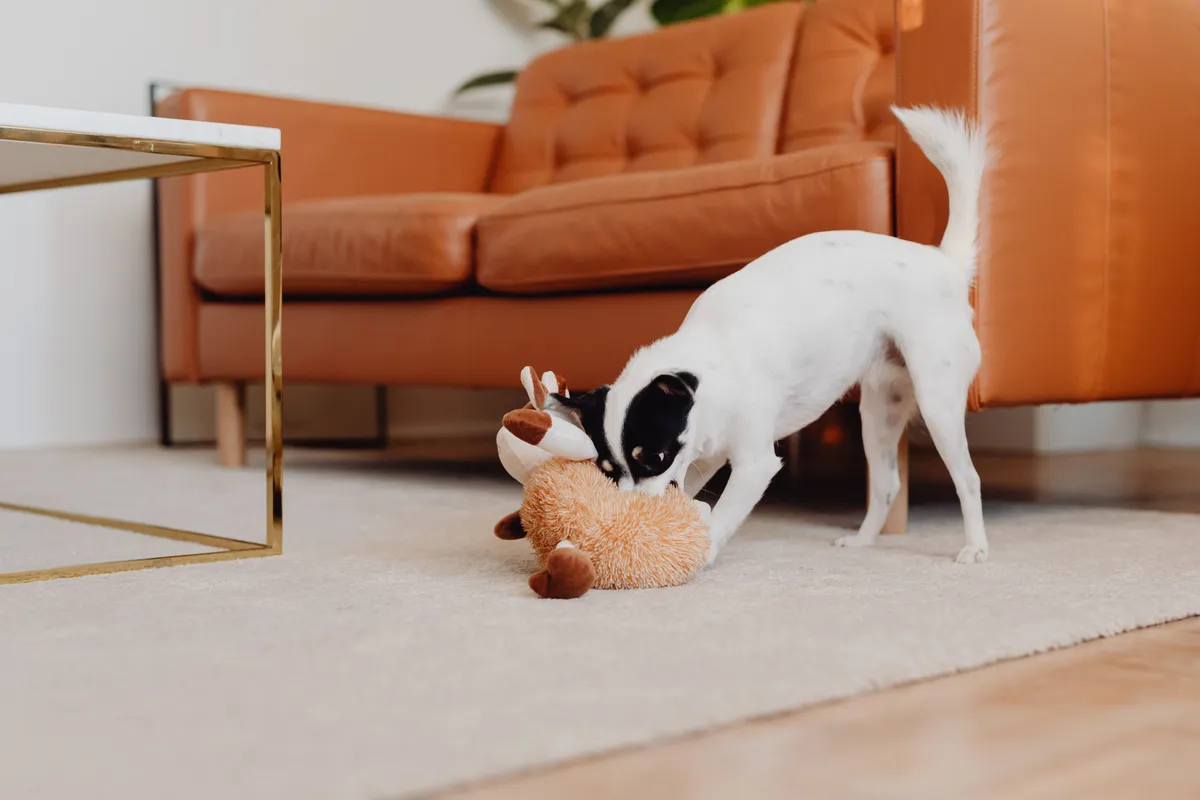
Keeping your dog content and mentally stimulated doesn’t have to mean buying new toys or investing in expensive equipment. Many simple, practical ‘switch-ups’—small changes applied to toys, games, or daily routines—can be enough to make your dog’s world feel fresh and intriguing. This guide draws on top UK charity advice to spotlight easy ways you can add variety using what you already own. We’ll explore how alternating toys, shifting textures, modifying walking routes, and creating new sensory experiences can rekindle your dog’s interest in familiar environments. These changes don’t require a big budget or time investment and can help lower the risk of boredom by providing fresh challenges within your usual schedule. Whether you’re looking for quick inspiration or hoping to create an activity rotation that works for your household, read on for practical ideas you can use starting today.
Why Enrichment Matters for Dogs
Enrichment creates opportunities for your dog to explore, use their senses, and solve small challenges each day. According to leading charities, activities like introducing new games, switching up toy textures, and letting dogs investigate during walks can help dogs stay occupied and avoid boredom. Enrichment doesn’t just involve toys—everyday experiences, like supervised sniffing around the garden or a different play routine, count as well. If you notice your dog looking restless, it may simply be time for a little change. You don’t have to make dramatic shifts; even a few minutes spent exploring something new can provide mental stimulation. Consider noting what catches your dog’s interest over a week to help plan small variations that suit their preferences.
Toy Rotation Without Buying New Items
Rotating your dog’s existing toys is a simple way to make familiar objects feel new again. Put away a few toys for a week or two, then reintroduce them while swapping out others. This surprise factor can renew your dog’s curiosity about toys they’ve used in the past. To organize this, you might keep a box or basket just for out-of-rotation toys and make a calendar note or checklist for when to swap. If several household members interact with your dog, consider letting everyone pick a toy to swap each week. Take inventory of all your dog’s toys, group them by type (chew, tug, squeak, puzzle), and decide which groups to alternate more frequently. Changing toy combinations or setting up a short play session with a forgotten toy can make daily playtime more interesting without any new purchase.
Switching Textures for Added Interest
Dogs are naturally curious about new sensations. Swapping between toys or chews that offer different textures—such as rope, soft plush, natural rubber, or firmer safe plastics—can appeal to your dog’s senses and prevent monotony. You can gather all your dog’s toys and sort them into texture categories, then plan to bring out a different set every few days. Chews of varying firmness can also be alternated safely under supervision. If you typically give your dog a plush toy, try switching to a rope for tug or a safe hard toy for a change. No special supplies are needed: just a deliberate swap is usually enough to spark interest. You could also ask family members which toy textures their dog seems to prefer to inform your rotation choices.
Changing Up Walking Routes and Routines
Variety isn’t just for indoor activities. Regularly changing the direction, neighbourhood, or even the side of the street during your dog’s walks introduces new sights and smells. According to UK charity guidance, new environments and letting your dog sniff and explore safely are enriching, even when the distance walked remains the same. Consider creating a simple checklist of local walking routes or nearby parks and rotating them through the week. If your time is limited, you can add interest by altering the route order, allowing your dog to choose a turn, or simply exploring different garden or patio areas. If you live with others, take turns leading walks and note any interesting responses to new places.
DIY Sensory Games with Household Items
You don’t need commercial toys to create engaging games. Sensory games—like hiding treats in a rolled-up towel, scatter feeding, or a gentle home scent trail—use ordinary household items to stimulate your dog’s sense of smell and encourage problem-solving. Try offering your dog a small box filled with old towels and a treat hidden among the folds. Or, scatter some of their daily kibble in different rooms and let them search. If you have children, ask them to set up simple obstacle or discovery games safely in supervised spaces. Rotating which rooms or items you use for these games keeps them feeling new to your dog. Make a quick list of everyday objects that could be safely incorporated and rotate them into enrichment sessions as needed.
Integrating Short Activity Sessions at Home
Short bursts of exercise and interactive activity can be as enriching as longer outings. Even brief play sessions with toys or indoor puzzles can fit into a busy day while providing needed mental and physical stimulation. UK charity advice emphasises that mixing training, games, and physical exercise throughout the day can keep dogs more content and satisfied. List a few five- or ten-minute activities your dog enjoys—like tugging, fetch in the hallway, or quick puzzle feeders—and consider rotating which you pick next. If your household has multiple people, you might set a daily schedule or remind each person to choose a different game when it’s their turn to play. This approach makes enrichment manageable and varied, even without new equipment.
Observing Your Dog’s Preferences and Adapting
Each dog is unique, so making notes about which enrichment ‘switch-ups’ excite or engage your pet helps tailor your routine. Keep a simple chart or digital note tracking your dog’s reactions to different toys, games, or walking routes. Does your dog eagerly seek out certain textures, enjoy new scents, or show special interest on specific routes? With this information, you can make informed decisions when rotating or introducing activities. Involving family members in observing and recording preferences can also be helpful, ensuring everyone contributes to a stimulating routine for your dog. Remember that preferences can change, so revisit your list every few weeks to keep activities fresh.
Making Switch-Ups Work for Your Home
Implementing enrichment switch-ups doesn’t have to disrupt your daily schedule. Consider which storage spaces or household locations could serve as rotation points for toys and chews—perhaps a basket near the door or a dedicated drawer. If you’re short on space, you might use a labelled bag or container to hold out-of-rotation items. Household routines can be built around existing habits: switch up toys during tidy-up time, or rotate walking routes on weekends. If several people share pet care, set reminders or notes about what’s been recently introduced. Reflect on busy vs. slower days to choose when switch-ups best fit your schedule. These practical steps can help every household member participate, making enrichment an easy, shared responsibility without added cost or complication.
Related reading
Questions & answers
How often should I rotate my dog’s toys or activities?
There’s no single rule—rotation can be as frequent as every few days or weekly, depending on what works for your household and your dog’s interest in familiar items. Just focus on changing small things regularly to keep each day engaging.
Do I have to buy new toys to keep my dog entertained?
Not at all. FetchBoy’s guide shares tips from UK charities explaining that simple rotations, new textures, and rearranging daily activities can offer plenty of variety with what you already own.
Sources
Ad · We may earn a commission from these links, at no extra cost to you. Product types and features are buying guidance; check the retailer’s listing for details.