
cats
Easy Setups for Cat Hiding Places: Practical Tips for UK Homes
Learn how to create cat hiding spots in your home using boxes, blankets, and practical placement tips from UK charities. Ideal for stress-free cats.
Published 25 October 2026
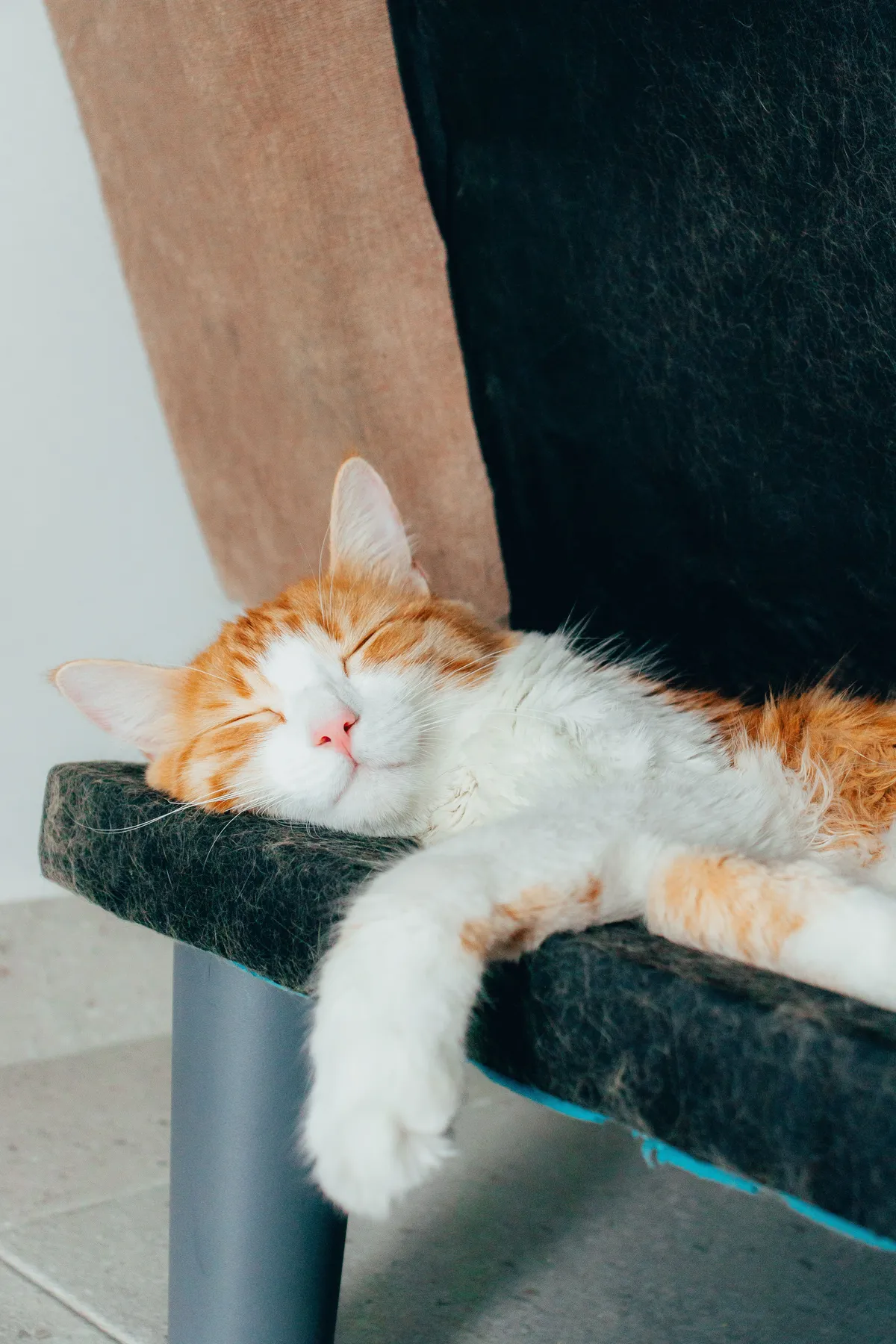
Many cats seek quiet, private places to relax—especially in busy homes. Setting up accessible hiding spots using household items can allow your cat an easy escape route when things get hectic. Established UK animal charities stress that providing cats with choices for where to retreat is essential for wellbeing and confidence. In this guide, you’ll find step-by-step ideas for creating and organising cat hiding spaces, using boxes, soft furnishings, and specific placement options found throughout the typical UK house. You’ll also see suggestions for involving all household members in planning, so every cat (and human) feels included in the setup process.
Why Cat Hiding Spaces Matter
Cats naturally choose safe, quiet spots to withdraw, relax, and feel less exposed—especially if they’re shy or the household is noisy. According to UK charities, your cat's ability to decide when and where to hide is linked to confidence and reduced stress. For instance, letting your cat choose when to use a hiding space instead of carrying or coaxing them helps befriend especially shy or uncertain cats and gives all felines control over their environment. This approach means you don’t have to modify the entire house—just offering more than one suitable retreat is often enough for most cats. Identify a few quiet areas, such as corners or under furniture, as possible hideout locations and think about how your cat might prefer to use them at different times of day.
Everyday Items for DIY Cat Hideouts
You don't need specialist products to set up a welcoming cat hideaway. Large cardboard boxes, broad plastic storage tubs (with no sharp corners), empty suitcase compartments, and sturdy shelves can become comfortable dens. Adding a soft blanket or towel gives extra privacy and comfort. Even everyday soft furnishings like a folded jumper, a bathmat, or unused pillow can be placed in a chosen nook. When considering what to use, review items around your home for size—your cat should have room to turn around—and think about what will be easy to clean or move if you rearrange furniture. Make a list of items you have and mark which could fit in various spots across rooms.
Step-by-Step: Setting Up a Basic Box Hideaway
1. Choose a cardboard box big enough for your cat to stand up and turn around. 2. Place the box on its side to create a cave, or cut an entry hole on one face for privacy. 3. Add a familiar-smelling towel, folded blanket, or jumper for comfort. 4. Optional: Drape a light cloth over one end for a more enclosed effect, leaving an opening. 5. Place the finished hideout in a quiet area—such as under a table or beside furniture—where people and other pets don’t always pass. You can create a household checklist of potential box locations—under desks, behind armchairs, or between bookshelves—and tick off where you’ve tried. Enlist family members to help find new locations or decorate boxes, turning set up into a shared activity.
Blankets, Cushions, and Soft Furnishings as Quick Fixes
Throwing a blanket over the side of a rarely-used armchair or sofa can instantly create a tent-like nook. Tuck a small pillow or rolled up jumper underneath for added coziness. Another easy hideout option: use a lidded plastic tub, slightly ajar, with a cushion tucked inside. In bedrooms, place a bathmat or jumper just behind curtains or under a raised bed. Walk through each room with household members and decide who might trial different combinations. This approach helps everyone spot which setups are convenient and which ones the cat seems to prefer. You can also rotate who is responsible for refreshing soft items as a way to keep the space tidy; this is an optional household system and not required for every home setup.
Choosing the Best Spots Around Your Home
According to leading UK cat charities, under beds, inside wardrobes, and quiet corners with little foot traffic are all excellent locations for hiding spaces. Review your home’s layout: are there low, unobstructed spots under furniture, spare shelves in a cupboard, or clear spaces behind a door? Create a room-by-room plan suggesting possible hideout spots. Involve everyone by asking where they've seen the cat settle more than once. Consider practicalities like ease of cleaning, who uses each room, and whether the spot will stay undisturbed. Once a shortlist is ready, test putting boxes or soft nooks in place and see if the cat takes an interest—always without pressure.
Including the Household in Planning and Setup
Enlisting other household members helps to distribute setup efforts and encourages everyone to respect the cat’s private retreats. You could assign a checklist of rooms to each member to suggest possible hideout areas or keep a written log of which setups are in place and when they’re used. Household members can also take turns making or decorating cardboard boxes or selecting fabrics for blankets. For multi-room homes, it’s practical to note on a chart if a particular hideout shouldn't be disturbed—this can be especially helpful for young children or guests.
Let Your Cat Explore and Decide
Once new hideouts have been organized, it’s best to allow cats to discover and use them in their own time. Charities recommend not attempting to coax or place shy cats directly inside—leave the entrance open and let curiosity take over. For added familiarity, place a worn T-shirt or another item carrying your scent inside the chosen spot. Keep a list of which hiding places your cat actually uses; if there are boxes or nooks that are always empty, you might store them elsewhere until needed. Optional tip: note down where your cat seems to settle most often and share observations with other members of the home.
Reviewing and Adjusting Your Hideout Setups
As your furniture changes or seasons progress, make a habit of checking your home for newly available nooks or forgotten hideouts. If you rearrange a room, revisit your list of hiding places to see if any options have become less accessible or if new ones have opened up. Keep a running list of available spots and occasionally review as a household which ones remain practical and unobstructed for your cat. This is entirely an organisation step for the home and can be shared among household members—not a requirement that changes will benefit the cat’s behaviour. During a seasonal tidy up or move, you might agree to identify any unused boxes or soft nooks, storing or repositioning them as needed, for flexibility in your household’s use of space.
Questions & answers
What household items can I use for cat hideouts?
Cardboard boxes, spare blankets, unused pillows, cushions, and plastic tubs are commonly repurposed for cat hideouts. There’s no need for specialist products—just pick items the cat can fit inside and arrange them in suitable quiet locations at home.
How many cat hiding spots should I provide?
Charity advice suggests more than one accessible hiding spot so your cat can choose where to retreat at any time—especially useful in multi-room homes.
Where in my home could I put a cat hideout?
Possible locations include under beds, inside spare wardrobes, behind armchairs, or anywhere quiet and away from household bustle. Letting your cat choose among several options is encouraged by cat charities.
Can I create cat hideouts without buying anything new?
Yes. Most hiding spaces can be made from leftover boxes, unused clothing, and existing soft furnishings. It’s an affordable, flexible approach that also reduces clutter.
Related products
Comfort & rest
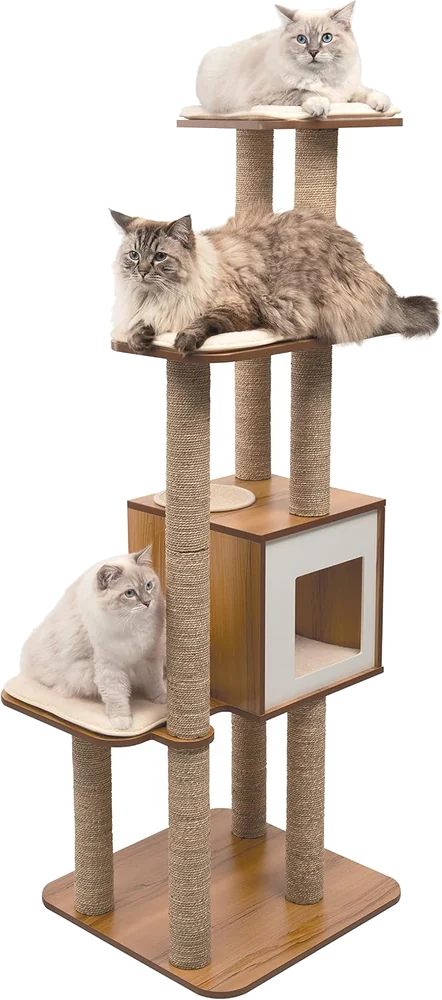
Catit Vesper Cat TreeA multi-level cat tree with scratching posts and perches — the linked variant is the High Base XL in walnut. Check the height, stability and footprint on the listing.
- Multi-level perches
- Scratching posts
- Linked variant: High Base XL, walnut
Comfort & rest
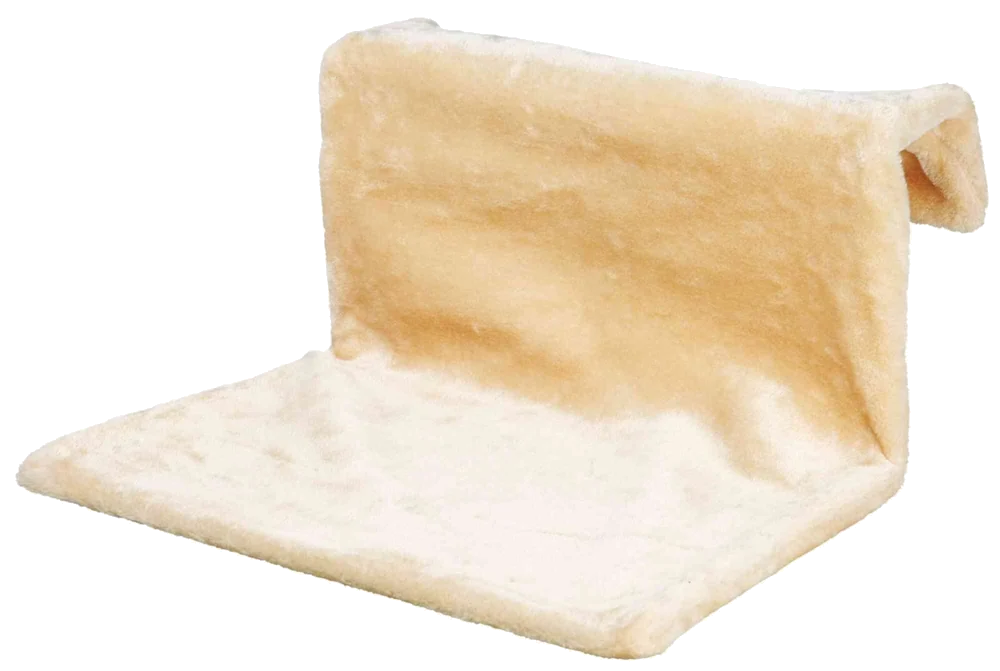
Trixie Cat Radiator BedA cosy bed that hooks over a radiator for warmth. Check the fit for your radiator on the listing.
- Radiator hook
- Warm spot
- Radiator fit — check listing
Related reading
Sources
Ad · We may earn a commission from these links, at no extra cost to you. Product types and features are buying guidance; check the retailer’s listing for details.