
cats
Scheduling daily play sessions for indoor cats: simple routines
Build a realistic daily play schedule for your indoor cat with toy rotation and easy space planning tips, using leading UK advice.
Published 22 October 2026
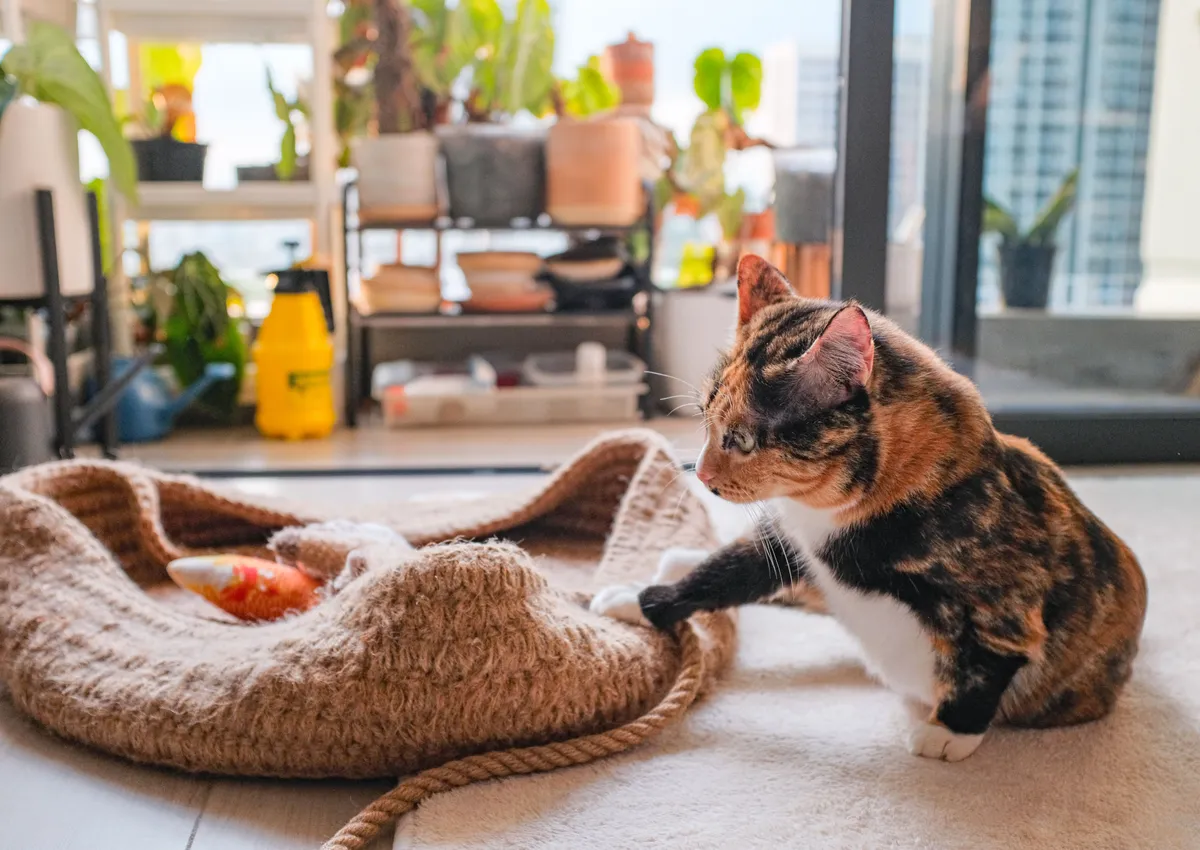
Maintaining a daily play routine is important for indoor cats, but it may seem challenging for busy owners. Advice from leading UK animal charities highlights that frequent, brief play sessions, simple toy rotation, and mindful use of home spaces all contribute to a stimulating environment. Carefully organising play sessions throughout the day—without purchasing new toys—can help to mirror feline instincts and maintain engagement. This article explores how to create a practical, manageable play schedule for your cat, organise and rotate existing toys, and plan play spaces, using charity-backed recommendations. You’ll also find step-by-step suggestions for fitting playtime into your existing routine and collaborating with others in your household.
Why cats need regular playtime
UK animal welfare organisations recommend several short play sessions each day because they reflect a cat’s natural instinct for brief periods of hunting-like activity, rather than sustained exercise. These mini sessions support your cat physically and mentally, matching their natural rhythm of stalking, pouncing, and resting. To structure play around your day, identify natural pause points: after breakfast, during an early evening break, or just before bedtime. If you’re away during the day, even a quick five-minute play on your return can be beneficial. Simple scheduling—such as a set time in the morning and evening—may be easier to remember. For example, you might ask, “Could I play with my cat for five minutes when I brew my first cup of tea or after dinner?” Brief, predictable play could also help you track your daily routine and maximise shared moments with your cat.
Choosing toys from what you already own
You don’t need to buy new products to provide variety. Charitable guidelines highlight that different shapes, textures, and movements of toys keep cats engaged. Review your current collection: feather wands, fabric mice, soft balls, and even homemade toys like balled-up paper can all be useful. Consider creating a list or a simple inventory to know what you have at hand. Try grouping toys by type into baskets or boxes for easy access and swap a couple of items for each play session. You might also look around your home for household items that mimic prey-like movement and are safe to use (for example, a rolled-up sock or crinkled paper). Before each session, quickly inspect toys for damage and set aside any that may need repair or disposal. This review helps keep play sessions safe and fresh using items you already own.
Organising playtime: practical daily schedules
Aligning play sessions with your daily tasks can make routines more achievable. You might map out your day and pencil in short five-minute play slots: before you leave in the morning, after work, or as you unwind in the evening. If you use a digital calendar, set reminders to prompt play. For shared households, consider a rota: perhaps one person takes morning play, another handles evenings. Make a paper checklist and stick it on the fridge, or use a group message to coordinate. Ask yourself: when are most people home? Which times consistently work or don’t? If you have difficulty finding time, try fitting play into established routines—like while preparing dinner or during TV ads. Adjust session times as your schedule changes, aiming to keep daily play flexible but consistent.
Rotating toys to maintain interest
Toy rotation helps sustain cats’ interest, according to animal charities. Keep two or three toys available at once and store the rest in a basket, cupboard, or designated box out of sight. Set an optional schedule—swap toys once or twice a week, or as soon as your cat shows less interest. You could note rotation days on your calendar, or use labelled containers (Monday toys, Thursday toys, etc.) if that fits your household style. Assigning a ‘toy duty’ among family or housemates can help share the work. If space is limited, pick a small box or drawer for hidden toys and switch the selection at set intervals. Observe which toys your cat engages with most and adjust the rotation list accordingly for future sessions.
Adapting your home’s spaces for play
Play works best in spots where your cat feels secure and has some room. Walk through your flat or house and list out possible play areas—living room corners, quiet hallways, or even the foot of your bed. Choose locations away from heavy foot traffic but close enough for supervision. You might decide to leave a small basket of toys in each main room or reserve a particular rug for playtime. If space is at a premium, even a stretch of open floor can work for rolling or chasing games. Evaluate if minor furniture moves could create a little extra play space, or if a collapsible mat might be useful. Before play, check for hazards—remove breakables and secure wires as needed. Moving play to different spots can offer fresh experiences for your cat and may fit your household routine better.
Including other household members in play routines
Daily play doesn’t have to rest solely on one person. List the people in your household and discuss who’s typically free in the morning, midday, or evening. Assigning sessions in a shared schedule—whether on paper, fridge magnet chart, or a phone app—can help everyone remember their turn. For families with older children, supervising play not only shares the responsibility but can also make the experience enjoyable together. If housemates’ schedules vary, you might swap sessions week to week or check in with a quick Sunday planning chat. Adjust the system to keep coverage balanced, and use feedback to improve your plan (for example, tally which days are missed most).
Using what you have to mimic natural play behaviours
Charitable guidance suggests that toys mimicking prey behaviours—such as feathers on strings, small balls, or soft toys—can help keep cats engaged. Review the toys you own and match each to natural movements: use a wand or ribbon to replicate flight, balls for unpredictable scurrying, or soft objects for pouncing under covers. Think about adding a piece of brown paper or an empty box to your play area to encourage exploratory play. In each session, vary your technique—drag a string along the floor, bounce a toy lightly, or wiggle a sock around a corner. For safety, supervise use of string or wand toys and tidy them away after use. Switching up play movements and locations may help create a stimulating routine, using what’s already at hand.
Reviewing and adjusting your routine over time
Over weeks or months, your daily routine or your cat’s preferences may shift. Make a point to review your play schedule every few weeks—are there sessions or toys that are skipped? Does your current rotation feel manageable for everyone involved? You could keep a notebook or phone note where household members jot down which toys or sessions seem most successful. If certain play times don’t fit, consider shuffling slots or sharing feedback after a week to reassign them. Inventory your toy basket occasionally to spot any that haven’t been used recently, and repurpose or store unused items to reduce clutter. If your household grows or routines change, adapt your play schedule accordingly to keep organisation smooth. Everyone can contribute suggestions for making playtime easier.
Questions & answers
How often should I play with my indoor cat each day?
UK charity advice suggests several short daily play sessions, rather than a single long session, to support your cat’s needs.
What can I do if my cat loses interest in toys?
Rotating toys and using a variety from those you already have can help keep cats engaged, according to animal charities.
Do I need to buy new toys for effective play?
No; guidance recommends varying play styles and rotating current toys to stimulate interest, without the need for new purchases.
How can I fit daily play sessions into my routine?
Try scheduling short sessions around existing tasks, sharing play duties with others, or using reminders or checklists.
Related on FetchBoy
Sources
Ad · We may earn a commission from these links, at no extra cost to you. Product types and features are buying guidance; check the retailer’s listing for details.