
dogs
Basics of Safe Car Travel with Dogs: Restraints, Breaks and Comfort
Learn how to prepare for safe dog car travel, from choosing restraints to helping your dog stay hydrated and comfortable on any journey.
Published 24 October 2026
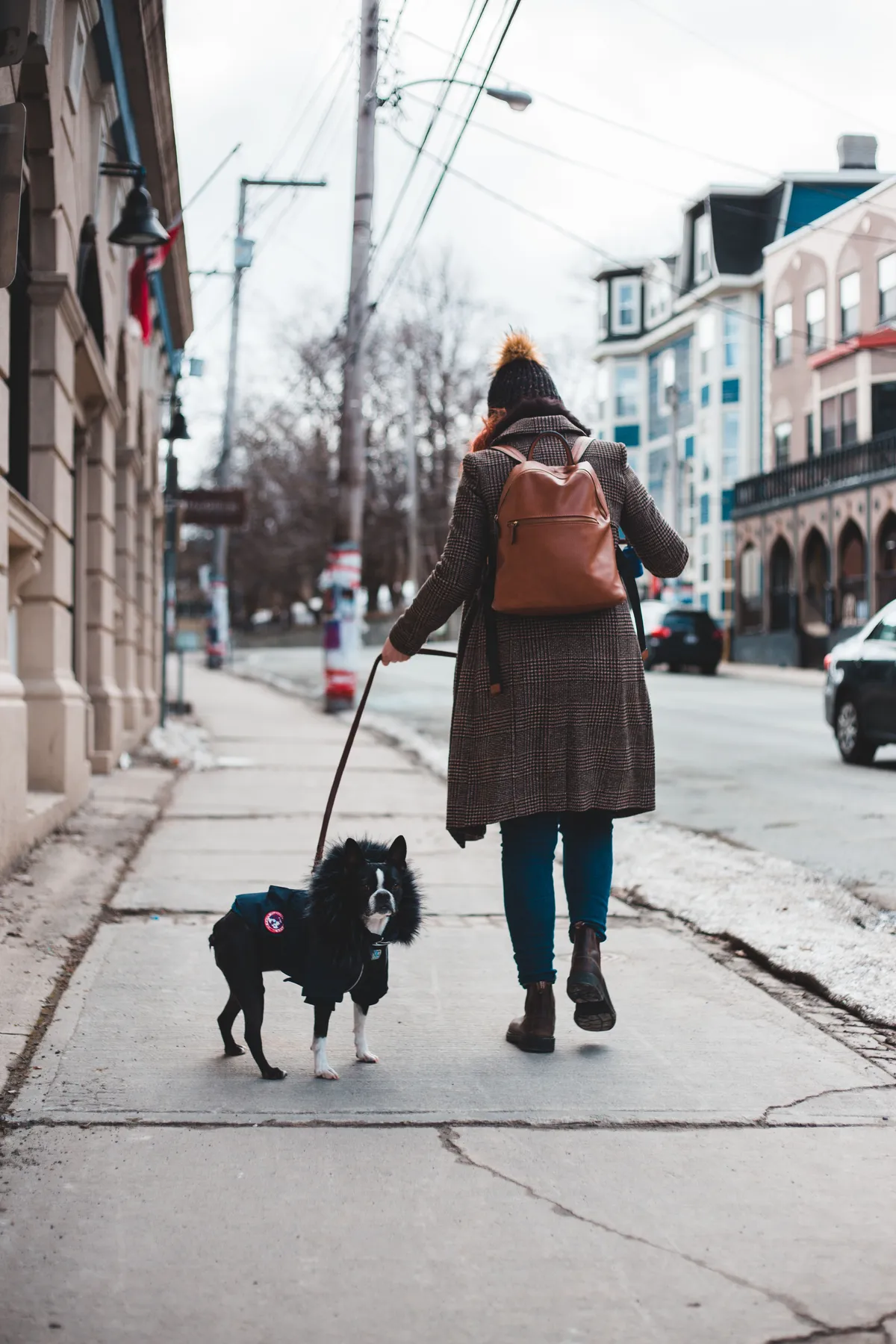
Making car journeys safe and comfortable for your dog requires thorough preparation and considered choices. You’ll need to select the right restraint, plan how to provide hydration and breaks, and use everyday items to ensure comfort—all before setting off. A focus on secure travel not only helps with legal and safety concerns but also supports a smoother journey for the whole household. This article gives step-by-step, evidence-based advice on setting up for safe dog car trips, with practical options for preparing, choosing and installing restraints, and keeping your dog refreshed and settled—no matter the journey’s length.
Choosing a Suitable Dog Restraint for Your Car
Selecting a restraint system is a key first step. Harness seatbelts, crates, and travel guards are all designed to keep your dog securely restrained, preventing distractions and reducing the risk of injury. For smaller dogs, travel carriers or crates that fit your car’s dimensions can be considered, while larger breeds may require robust harnesses fastened to seatbelts or a fitted boot guard. To decide which restraint to use, you might start by listing existing carriers or harnesses at home and comparing them to your car’s seat or boot layout. Try placing potential restraints in the vehicle to check compatibility and available space. Involving other household members in a discussion about space priorities—passenger comfort, luggage, and the dog’s position—may help narrow down options. While no restraint method is universally best, matching the restraint type to the dog’s size and the car’s features is a practical way to start.
Getting Your Dog Comfortable With Their Restraint
Dogs may need time to become accustomed to new restraints or carriers. Before your trip, you can allow your dog to explore the crate, carrier, or harness in familiar settings, such as indoors or in a stationary car. Fitting the restraint for brief, calm sessions—perhaps while offering a favourite toy or blanket—can help assess comfort and adjust fit. Households might assign a schedule for practising restraint sessions over several days or allow different family members to introduce the restraint at different times. You could compare which blankets or objects your dog seems to prefer inside the crate or carrier. Always supervise these familiarisation efforts and observe which restraint position or accessory your dog tolerates easiest.
Securing the Restraint in the Car
A properly installed restraint system is essential for road safety. For harnesses, check that seatbelt attachments are correctly threaded and that the harness fits snugly. Carriers or crates can be positioned behind a front seat or in the boot, ideally anchored by a seatbelt or car’s built-in lashing points. If using a boot guard, measure the area to ensure that it fits tightly. It may be useful to have another household member help with fitting and double-check the installation. Before each journey, you might choose to check that restraints, crates, and guards have not shifted during previous use. You can designate one person to be responsible for setting up restraints before outings, and consider revisiting your setup whenever your travel arrangements or dog’s equipment change.
Planning for Hydration on the Move
For all journeys, pack sufficient water and a portable, stable drinking vessel. This could be a collapsible bowl, dog-specific water bottle, or just a durable cup. Before every trip, you might fill a bottle and store it within easy reach—such as a door pocket or central console compartment. Some households find it helpful to keep a checklist by the door to avoid forgetting water, bowls, or cleaning supplies. When surveying your car’s storage spaces, you might choose a spot for hydration items that avoids spillage during travel. Consider packing a hand towel or absorbent cloth to help manage accidental spills or muddy paws at break times.
Scheduling Breaks and Stretch Time
Longer journeys will need planned stops for hydration and exercise. In advance, you can research your route and identify safe places for breaks, such as service stations, parks, or laybys. You might print out a list, save map locations, or set phone reminders. Another option is to agree in advance which traveller will be responsible for monitoring the clock and suggesting stops. Before letting your dog out at each break, visually check the area for hazards and ensure your lead and collar are ready. If several household members are travelling, you might coordinate who will handle the dog during each break, who will handle supplies, and how long each stop will last.
Ensuring Ventilation and Temperature Control
Proper airflow and managing heat during travel are critical, especially in summer. You might partially open rear windows (always with supervision), adjust climate control so cool air reaches rear seats, or use removable sunshades. Households can do trial runs to see which window positions provide comfortable airflow before a real journey. If available, parking in the shade at breaks can help maintain lower interior temperatures. To plan for unexpected situations, you might keep a paper note on the dash as a reminder never to leave your dog unattended, even for a minute, as this carries serious overheating risk—even with windows slightly open.
Using Everyday Items for Comfort and Security
Familiar home items can increase your dog's comfort during car trips. You could select a blanket, towel, or an old shirt carrying your scent to place in their crate or carrier. At home, you might pack these comfort items in a dedicated tote or small basket, stored near the front door or attached to your travel bag. Optional choices include adding a favourite soft toy, a spare lead, or extra waste bags to the kit. When planning this, you could involve household members in listing which items are most comforting to the dog, or create a checklist for each trip so nothing is left behind.
Reviewing Your Car Travel Setup Regularly
As your dog grows or travel circumstances change, it can be helpful to regularly review your chosen restraint, carriers, and supply locations. Schedule time every few months to reassess fit, inspect for wear, and update your travel checklist. Involving all household members in this review ensures everyone knows where to find each item and how the system works. Taking photos of your packed car interior and storage setups is another optional planning aid, making it simpler for anyone preparing for upcoming trips to recreate the preferred arrangement. This practical review can also be a time to discard worn items or update supplies, such as exchanging old water bottles or blankets for clean spares.
Questions & answers
What’s the safest way to restrain my dog in the car?
Dogs should be safely secured using a harness, crate, travel barrier, or carrier designed to fit your car and your dog's size.
How can I make sure my dog stays hydrated during car journeys?
Pack water and a portable bowl, stopping for regular breaks to offer drinks and allow your dog to stretch its legs.
Is it safe to leave my dog alone in the car if I stop briefly?
No, you should never leave a dog alone in the car, even with windows open, due to the risk of rapid overheating.
How do I help my dog get used to a new car restraint?
Let your dog try the restraint at home or in a stationary car until they are familiar with it before a longer journey.
Related on FetchBoy
Sources
Ad · We may earn a commission from these links, at no extra cost to you. Product types and features are buying guidance; check the retailer’s listing for details.