
dogs
Ruffwear Front Range Dog Harness: Independent UK Buyer Review
A detailed UK buyer overview of Ruffwear’s Front Range Harness, covering manufacturer features and RSPCA fit guidance.
Published 25 November 2026
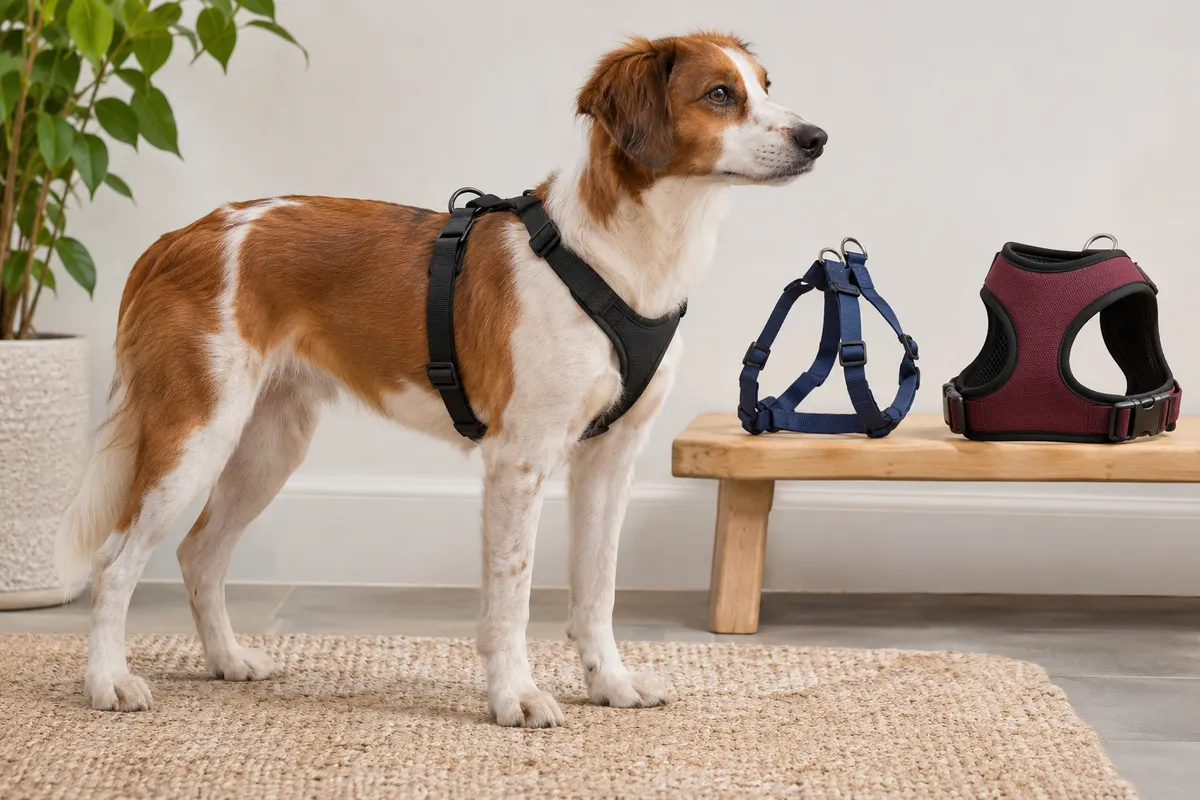
Research-based buying guide; FetchBoy has not hands-on tested this product. The Ruffwear Front Range Dog Harness is a widely-recognised choice for owners seeking a comfortable, adaptable harness for everyday walking. This impartial review summarises key features and design points published by Ruffwear, then relates these aspects to practical dog walking advice from the RSPCA. UK owners will find here a clear rundown of the main fit options, leash connection points, and comfort features, alongside evidence-based tips for checking fit and selecting the right size. No claims are made about performance or suitability for every individual dog—owners should always check fit and comfort in person before deciding. Read on for a detailed breakdown of the harness’s features, how they align with trusted animal welfare guidance, and practical questions to help you decide if this model is a good match for your dog.
Design Features: Key Aspects of the Ruffwear Harness
The Ruffwear Front Range Dog Harness is designed for everyday use, according to the manufacturer. Its most notable design element is the use of two separate leash attachment points—one located on the back and another on the front chest panel. This setup is intended to give owners flexible control options depending on the walking environment or training situation. The harness includes foam-padded strips that run across both the belly and chest. These pads, as described by Ruffwear, aim to distribute pressure evenly and provide comfort throughout extended wear periods. For UK buyers, this means the harness seeks to combine adjustability with cushioning, potentially reducing concentrated pressure on the dog’s body when used correctly. The overall style and intended use are aligned with products classified as everyday harnesses. Owners considering this design can focus on its layout and intended comfort features when comparing brands or models.
Dual Attachment Points: Everyday Use and Training Options
A prominent feature of the Ruffwear Front Range is its two leash attachment points. The reinforced webbing on the chest is designed for situations where the handler wants extra control—such as during training or when guiding a strong walker. The aluminium ring located on the back is recommended by Ruffwear for standard daily walks. This dual-option system enables owners to switch between positions quickly according to circumstances. While some harnesses only provide a single connection on the back, having a front attachment can allow owners to experiment with leading styles or to introduce new guidance cues. Those assessing the harness in person may wish to test both locations with their preferred leash to gauge comfort and suitability. The range of use cases—from training sessions to relaxed strolls—makes this a feature worth checking against your walking habits and your dog's needs.
Padding and Comfort: Intended Benefits of the Harness Material
Manufacturer data highlights the use of foam-padded strips along the harness’s belly and chest panels. This construction is promoted to help distribute the weight or any leash pressure more evenly across the dog’s body, which can be particularly relevant for dogs that pull at times, or for those expected to wear the harness for extended periods. Owners may consider this padding when shopping for a harness to be worn on regular, longer walks. The padding aims to add a layer of cushioning between the harness and the dog's fur and skin. However, buyers are encouraged to check for any signs of rubbing or discomfort, regardless of product claims. Checking how the harness sits—ensuring the pads rest smoothly on the dog’s body without twisting or bunching—should be a part of any fitting process.
Fit Adjustability: Straps and Sizing for Different Breeds
One practical aspect for UK owners is the harness’s potential for adjustability. The Ruffwear Front Range comes with adjustable points along its straps, allowing owners to tailor the fit to their dog’s specific chest girth and body shape. Sizing is based on chest girth measurements, a standard approach for most harnesses. This offers a level of customisation for different breeds and crossbreeds, especially as fit requirements can vary widely based on a dog’s build. When evaluating the harness in-store or at home, owners may wish to check the adjuster positions, confirm they are easy to operate, and ensure the harness sits securely without pinching or sagging. Consulting the manufacturer’s size chart and measuring the dog’s chest with a tape measure can help avoid returns and ensure the best fit from the start.
Everyday Walking: Matching Features to Typical Owner Needs
Ruffwear markets the Front Range harness as suitable for a wide range of everyday walking scenarios. Its moderate construction and padding make it a candidate for both regular strolls in urban parks and longer countryside walks. UK owners often juggle varied walking routines, so a harness intended for all-day wear can be attractive. Features like quick-release buckles and low-profile adjusters may streamline putting the harness on and taking it off. When choosing a harness for daily use, it is worth listing the most common environments you walk in (e.g., city pavement, parkland, woodland) and comparing the harness’s design to those needs. Considering factors such as weather resistance, washability, and reflective trim (if present) can also help owners plan for UK weather and seasonal changes.
Secure, Non-Restrictive Fit: RSPCA Best Practice Guidance
The RSPCA recommends selecting a harness that is both comfortable and secure, ensuring it does not rub or restrict your dog’s movement. This means the harness should fit snugly without pinching or leaving marks—and it should not be so loose that the dog could slip out. UK buyers are reminded to assess for any excessive tension at connection points or spots where straps may cross joints or rest behind the elbows. Practical steps can include sliding two flat fingers under the straps to check for appropriate tightness, and watching a short walk to make sure the dog moves naturally. If the harness shifts excessively or appears to rub anywhere as the dog walks, it may be worth adjusting the fit or exploring alternative sizes or models. Owners are encouraged to periodically recheck the fit, especially if the dog’s weight or coat changes over time.
Choosing the Right Size: Steps for Personalised Fitting
Sizing the Ruffwear Front Range harness correctly is an individual process. Owners are advised to consult the sizing chart on the product listing and measure their dog’s chest girth using a soft tape measure. Take the measurement around the widest part of the ribcage, which is usually just behind the front legs. Compare the result against the manufacturer’s recommended size ranges. If a dog falls between two sizes, consider trying both to check fit, as body shape and coat thickness can affect comfort. When the harness arrives, check all adjustable points, ensure the buckle sits comfortably away from joints, and observe your dog’s movement indoors and out. Keeping packaging and receipts handy in case an exchange is needed can make returns simpler. If buying in person, fitting the harness in-store can help avoid common sizing errors.
Comparing Alternatives: Practical Questions for Harness Buyers
UK owners may find it useful to compare features and fit of multiple harness brands before committing. Consider making a checklist of desired features, such as dual connection points, padding, lightweight materials, and ease of use. Physically inspecting different models lets you compare how adjustable the straps are, how substantial the padding feels, and if any seams or buckles seem likely to rub. It can also be useful to ask store staff if you can test the harness with your dog or at least open it fully for examination. If you own other harnesses, lay them side by side with the Ruffwear Front Range to judge differences in design and likely comfort. Involving household members in the final decision can help capture different perspectives, especially if multiple people walk the dog.
Final Thoughts and Buyer Reminders
The Ruffwear Front Range Dog Harness combines dual attachment points, foam padding, and adjustable straps to target everyday walking needs, according to the manufacturer’s published details. These features align with RSPCA guidance, provided the harness is fitted properly—neither restricting nor loose. Owners are reminded to select size by accurate measurement, check fit regularly, and watch for any pressure points or friction in use. No harness is universally suited to all dogs; spending time assessing the layout and fit in person is the best route to confidence. If considering this product, making a checklist of what matters most to your household (such as weight, cleaning needs, or budget) can help clarify priorities. While charity and manufacturer recommendations offer a strong starting point, only an in-person fit can confirm a harness is the right solution for your specific dog.
Ready to choose the Ruffwear Front Range Dog Harness?
See full details, features and buying guidance on the product page.
Related reading
Questions & answers
What are the main features of the Ruffwear Front Range Dog Harness?
This harness includes both back and front lead attachment points, foam-padded chest/belly panels, and adjustable straps for chest girth.
How should I ensure my dog’s harness fits securely?
The RSPCA advises checking the harness is snug but not too tight, that it doesn’t rub, and allows full, unrestricted movement.
Sources
Ad · We may earn a commission from these links, at no extra cost to you. Product types and features are buying guidance; check the retailer’s listing for details.