
dogs
rabbitgoo No-Pull Dog Harness: UK Buyer Review and What to Check
A research-based buyer review of the rabbitgoo No-Pull Dog Harness for UK owners, with fit checks, features, and comparison tips.
Published 15 November 2026
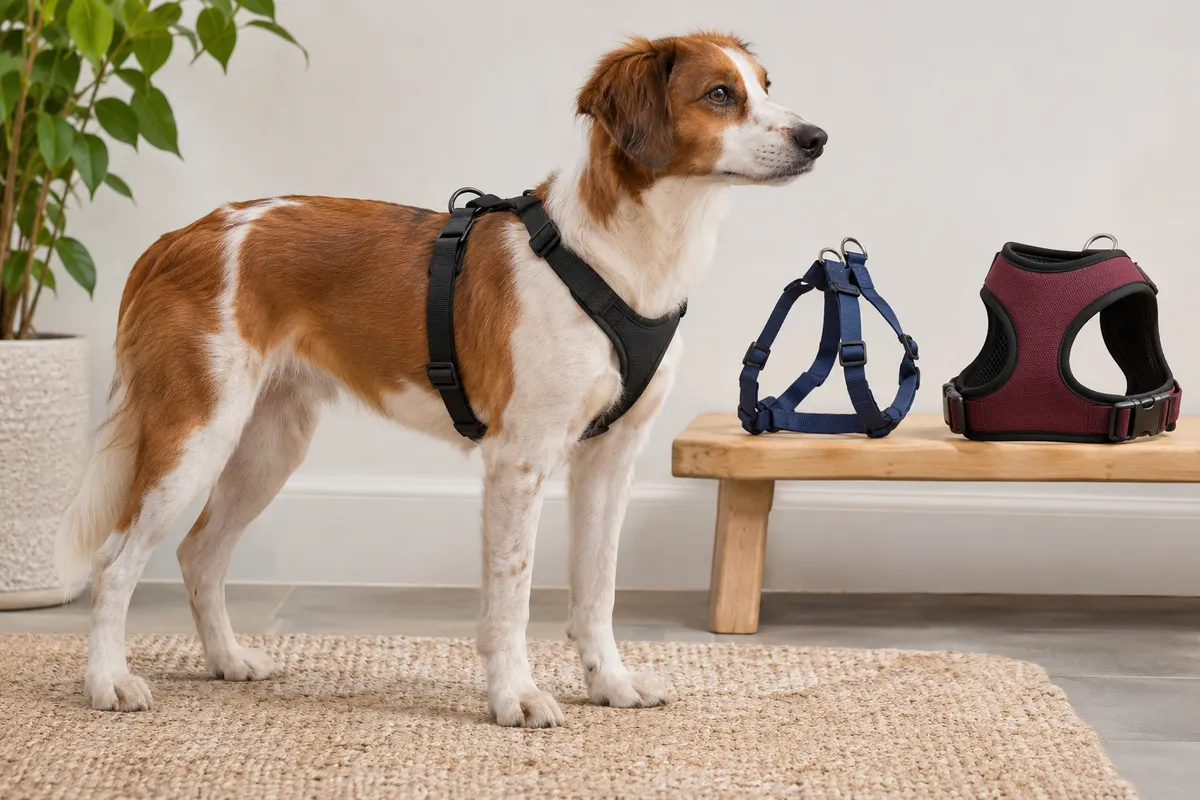
Research-based buying guide; FetchBoy has not hands-on tested this product. Selecting a harness for your dog isn’t just about finding any walking accessory—it’s about ensuring safety, control, and a custom fit for your unique pet. The rabbitgoo No-Pull Dog Harness is widely offered in the UK as a solution to pulling and for providing flexibility via both front and back lead attachments. But buying a harness requires understanding your dog’s size and habits, and checking features closely against trusted UK charity guidance. This article outlines what the rabbitgoo harness offers, what to examine before purchase, and what practical limitations exist in use. We detail the attachment points, options for adjustment, and what to assess for a snug fit—whether you’re buying online or in person. Lastly, we include practical steps to help buyers decide if this harness fits your dog’s specific needs, without guaranteeing comfort or training results. The aim here is to support UK owners making careful, evidence-based choices for their dogs.
Overview: What the rabbitgoo No-Pull Dog Harness Offers
The rabbitgoo No-Pull Dog Harness is promoted as a versatile, everyday choice for dogs who need extra lead control. Its key features include a front chest attachment ring that can be used to help redirect pulling, and a traditional back D-ring for standard lead attachment. According to manufacturer information, four adjustable straps are arranged to fit dogs of different builds—important when adapting to a dog that may change shape as it grows or to different seasonal coats. Multiple size options are available, each defined by specific chest girth ranges, so measuring your dog accurately is essential before selecting a size. For owners seeking extra versatility, having both front and back clip options is appealing, as it can accommodate different walking environments and needs. The ability to try both methods may help some owners tailor control to their own dog’s behaviour—but as always, no harness can promise to stop pulling for all dogs. It’s worth considering how many different attachment options you genuinely need and whether your routine calls for both.
Who Might Benefit from This Harness?
UK owners whose dogs tend to pull or are difficult to manage on a walk may be attracted to a front-clip no-pull harness like rabbitgoo. UK charity advice points to the benefits of a well-fitted harness in enhancing control without causing neck strain, which is especially important for active breeds or those that lunge on lead. The multiple adjustable straps may suit owners with growing puppies, deep-chested dogs, or pets whose shape changes with the seasons, such as after grooming or during weight changes. Families with young dogs who are still growing (and potentially changing harness sizes frequently) might appreciate the added range of adjustment. However, owners of very large, deep-chested, or unusually proportioned dogs should examine sizing carefully and double-check that adjustment lengths can accommodate their dog. The rabbitgoo harness may also appeal to those who alternate between urban and more rural walks, where different levels of lead control are useful. Ultimately, it is a flexible option for those who want to try multiple lead setups.
Attachment Options: Front vs. Back Lead Rings
A defining feature of the rabbitgoo harness is its dual ring system. The front ring can be especially useful for dogs in the early phases of lead training, allowing handlers to gently redirect pulling by guiding the chest. This approach is supported in UK guidance as a way to provide more control over pulling dogs, without risking pressure on the neck. The back ring remains the conventional option for calmer, well-behaved walkers or when less steering is required. Before buying, consider your routine: Do you walk your dog in busy areas where frontal control is useful, or are most outings in calm park settings where a back ring suffices? While the harness allows both options, some owners will find themselves using one attachment exclusively. For in-person shopping, gently inspect the harness’s stitching and D-ring security to check for robust construction—visual signs of fraying or loose threads should be avoided. Picking a dual-clip harness gives flexibility but may add complexity if you are seeking a straightforward routine.
Adjustability and Fitting: Four Straps to Customise Fit
The four adjustable straps on the rabbitgoo No-Pull Dog Harness allow for a highly tailored fit to many shapes and sizes. UK charities note that achieving a snug, non-restrictive fit is essential for comfort and control. Adjustable points—including neck and chest straps—mean you can adapt the harness as your dog grows, gains or loses weight, or wears it over thicker coats. Consider taking clear, current chest measurements for your dog and comparing them to the exact harness ranges listed for each size. Test the adjustment ranges: do the straps allow snug but gentle contact, or do they max out too soon? If you are shopping in store, try adjusting the harness on your dog or a similar-sized model and note how easy the buckles are to operate. In multi-dog households, label each dog’s harness and keep a record of their measurements and preferred adjustments. If you regularly walk your dog in different weather, consider whether you’ll need to readjust the harness for jumpers or raincoats.
Key Fit Checks: How to Confirm a Suitable Harness
Ensuring the right fit is a top priority—regardless of model. UK advice for harness fit highlights a snug (but not tight) harness that doesn’t cause rubbing under the dog’s front legs or limit movement. One practical step is the two-finger check: after adjustment, you should be able to slip two fingers under the harness straps at any point. A harness that shifts or chafes as your dog moves, or one that creates skin folds or marks, isn’t well-fitted and shouldn’t be used until properly adjusted or replaced. Try to observe your dog in motion after fitting—look for any signs of discomfort, twisted fit, or restricted movement. If possible, in-store fitting with your dog is ideal. For online buyers, check that the vendor offers clear returns in case the harness is not suitable. Taking a series of photos from different angles when trying on a new harness may help spot pressure points or unwanted shifts. Keep a checklist of any fit concerns that have led you to replace past harnesses.
What to Check Before Buying: In-Store and Online Considerations
Product listings often vary across retailers, so confirm the specific size chart before buying—sizes and fit ranges are not always standard even within a brand. When shopping physically, run your hands over hardware and seams to detect sharp edges or loose threads, particularly near the D-rings and adjustment points, as these could cause irritation or fail over time. For online purchases, enlarge product photos and read description details carefully to match your dog’s measurements. It’s useful to save a digital or paper copy of the sizing guide that matched your selection, in case there’s any dispute after delivery. Upon receipt, compare the delivered harness to the listing images and description, since minor variants exist between batches. Maintain receipts and know the retailer’s return procedure so you can quickly swap sizes. For owners with more than one dog, create a chart listing each dog’s chest girth and harness size—this can help avoid ordering errors and streamline future purchases.
Comparing rabbitgoo to Other Harnesses
The rabbitgoo harness offers more customization than harnesses with a single attachment or only fixed-size options. Some models from other brands may feature only a back ring, and while these can be simpler to fit, they may not offer the same level of control for training or busy environments. In contrast, the rabbitgoo’s dual-attachment and four adjustable straps give a range of tuning, making it potentially more suitable for dogs whose fit needs change over time. However, more adjustable features can mean more steps to fit correctly and might be less intuitive for owners who want to get walking quickly. Differences in material, closure mechanisms, and padding may influence a dog’s comfort in one product versus another, though the right fit always remains key. If comparing models, list the traits that matter most for your situation—such as ease of cleaning, weight, adjustment range, and lead placement. If your dog is new to harnesses, note whether it tolerates overhead or step-in designs better, as preferences can vary widely.
Practical Limitations and What to Keep In Mind
Every harness, including rabbitgoo’s, comes with real-world limitations. Fit is paramount: some dogs, especially those with unusual proportions or substantial fur, may still be hard to suit even with multiple adjustment points. Puppies or adolescent dogs grow quickly and may outgrow their harness months after purchase, so be ready to measure regularly and rotate to larger sizes as needed. No harness is chew-proof, and some dogs may damage straps or padding if left unsupervised—regular inspections are wise, and any signs of significant fraying or weakness mean a replacement is needed. If your dog has a history of harness discomfort, skin irritation, or difficulty with being handled, seek professional fitting support. Regular cleaning following manufacturer guidance is required, especially if your dog gets muddy or wet. Finally, always ensure your dog’s ID is attached to at least one part of the harness or collar, and use a double-lead system in busy public spaces if you’re concerned about security during early outings with a new harness.
Summary: Making an Informed Choice
Choosing a harness like the rabbitgoo No-Pull Dog Harness should consider the specifics of your dog’s shape, behaviour, and your daily routines. Dual attachment points and robust adjustability offer flexibility, aligning with UK-based recommendations for control and fit. Owners should be proactive about measuring their dog, trying the harness for fit where possible, and reading sizing guidance on the exact listing before purchase. Check adjustment ranges, examine workmanship, and watch for any fit issues within the first uses, keeping the option of exchanging or returning open. For households with multiple pets or growing animals, periodic reassessment of harness size can help maintain safety and comfort. Remember, no harness is a universal solution, and patience is required when introducing new equipment to a pet. A methodical, checklist approach allows you to make the best, informed investment for your dog’s walking experience—without assuming guaranteed behavioural change or complete comfort for every animal.
Ready to choose the rabbitgoo No-Pull Dog Harness?
See full details, features and buying guidance on the product page.
Related reading
Questions & answers
How do I measure my dog for the rabbitgoo harness?
Use a flexible tape to measure the widest part of your dog’s chest, usually just behind the front legs, then compare this measurement in centimetres to the sizing chart provided on the product listing. Accurate measuring helps achieve a proper fit and minimises rubbing or restriction.
Is the rabbitgoo harness suitable for puppies?
Puppies may use adjustable harnesses, but check the smallest size range and remember that growing dogs can quickly outgrow even well-chosen harnesses. Re-check sizing as your puppy develops and replace the harness as necessary.
Can I use this harness for dogs that chew their gear?
No harness is guaranteed to withstand chewing. If your dog habitually chews harnesses or leads, supervise closely and inspect for damage regularly. Replace any harness that shows significant wear or weakness.
What should I do if the harness rubs or fits poorly?
If a harness causes chafing or restricts your dog’s movement, discontinue use and re-check size and strap adjustment. If fit issues persist, consider another brand or type and, if uncertain, consult a professional for an in-person fitting.
Why does the harness use both front and back attachment rings?
The front ring provides more control for dogs that pull, helping to redirect movement, while the back ring is suitable for regular walking. Owners can switch based on training or handling needs.
Sources
Ad · We may earn a commission from these links, at no extra cost to you. Product types and features are buying guidance; check the retailer’s listing for details.