
cats
Preparing Your Home for a New Kitten
Get your home ready for a new kitten with essential supplies and setup ideas for organised, comfortable spaces.
Published 20 October 2026
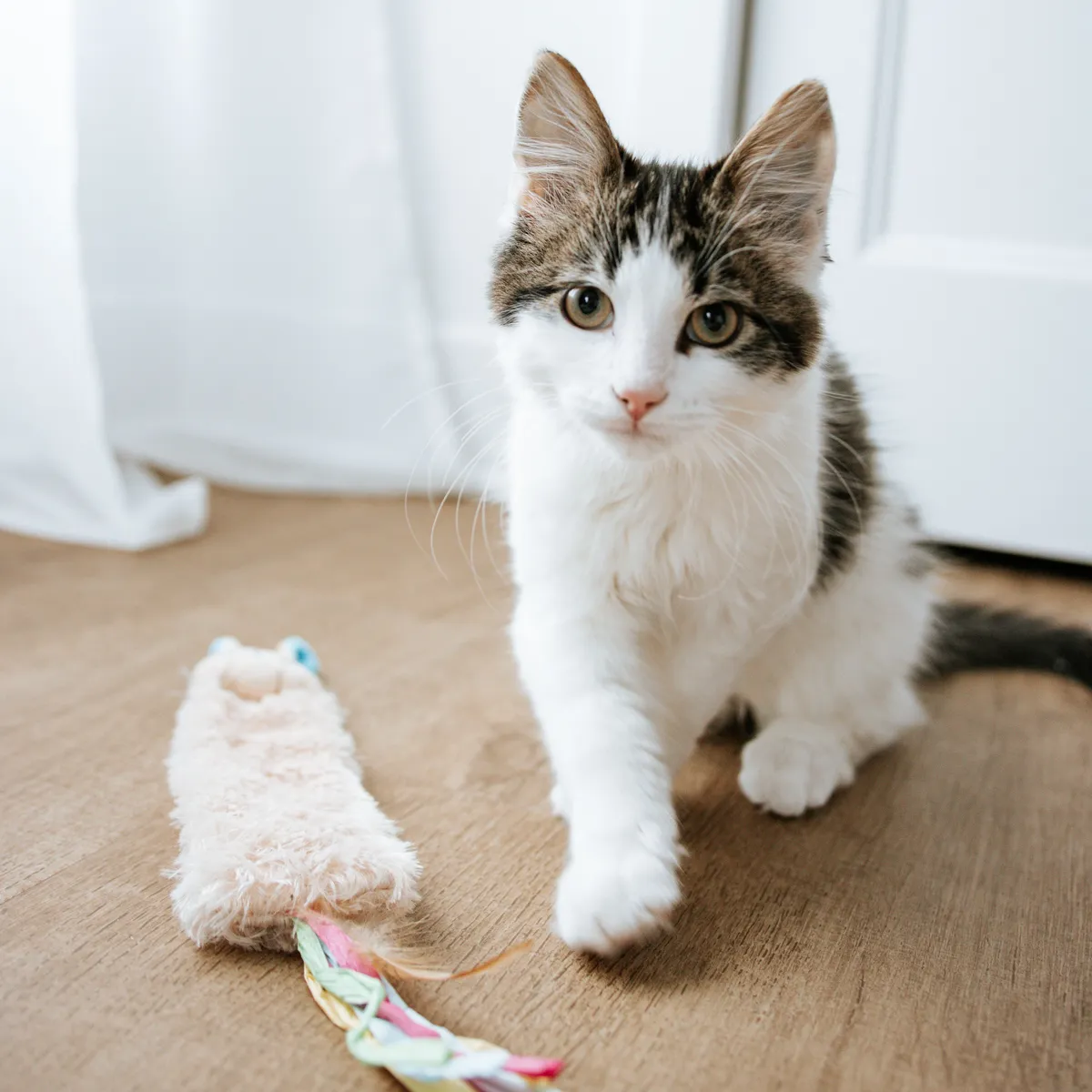
Bringing a new kitten home is both joyful and demanding. Creating a safe and organised environment helps your kitten adjust with less stress and confusion. Preparing ahead by assembling necessary supplies, setting up clearly defined areas for their daily needs, and making practical household decisions will smooth the transition for you and your new pet. By addressing each aspect methodically—and thinking about how your home can support your kitten’s routine—you’ll be better equipped to welcome your newest family member.
Essential Supplies for Your Kitten’s Arrival
Before your kitten comes home, make sure you have the core items ready to help their first days go smoothly. This includes a cozy bed, kitten-appropriate food, food and water bowls, a litter tray, a selection of toys, a scratching post, and a secure carrier for transport. For food and litter, start with what your kitten is used to and change them gradually only when they are settled. If you enjoy staying organised, you might keep a checklist of each supply and tick them off as you gather them. You may also want to compare different brands or styles at local stores or online before making final choices, considering what will fit best with your available space at home.
Organising Spaces for Kitten Needs
Designate clear areas for food, water, sleeping, toileting, and play, ideally with some distance between each. This helps your kitten navigate and feel more at ease. Feeding areas should be separate from the litter tray and sleeping zones. You could walk through your home to identify quiet corners for the bed, less-trafficked spots for food and water, and private areas for a litter tray. Some people choose to map their home’s layout, listing potential spots for each need, to visualise the arrangement. Involving other household members in this process may help ensure everyone is aware of the setup and can contribute ideas for placement that work for your living situation.
Feeding and Water Bowl Placement
Place feeding bowls away from entrances or busy doors—this helps your kitten feel secure while eating. Food and water bowls should not be next to each other, as kittens generally prefer their water source away from food. Practical ways to trial placement in your home might include setting the bowls in a few different spots over several days and observing which works best for traffic flow and household activity. If you find it useful, you could even use sticky notes to indicate current bowl locations until you settle on their final places. For multi-story homes, you might consider whether to keep a water bowl upstairs as well.
Setting Up a Litter Tray Area
The litter tray should be in a quiet, private spot away from feeding and sleeping areas to suit feline preferences for cleanliness and privacy. You could consider rooms like the bathroom, utility area, or an alcove with low foot-traffic. Some owners compare available spaces by drawing up a list of possible rooms or corners, then weighing factors such as convenience of access and proximity to main living areas. You might decide to use a mat underneath the tray to catch stray litter or ask household members which location would be least disruptive for everyone.
Arranging a Comfortable Sleeping Area
Select a bed that fits well in a calm, draft-free spot where your kitten can see family activities but not be disturbed by constant movement. Possible locations could include a bedroom corner, a quiet nook in the living room, or a dedicated pet room if available. If deciding between spaces, you might make a list of possible sleeping spots and discuss the pros and cons of each—such as light, warmth, and ease of cleaning. Involving family or housemates in this process can help everyone know where the kitten will rest and avoid accidental disturbances.
Placing Scratching Posts and Toys
Kittens need opportunities to scratch and play. Place scratching posts in areas where your kitten spends time, such as near their bed or by common pathways. Offer a range of toys and store them in an accessible spot—like a basket in the living room or a box in a hallway—for easy access during playtime. If it appeals to you, you could create a system for keeping track of your kitten’s toys, such as keeping a note of what you already have to prevent doubling up when purchasing new items. Some households choose to display toys on a shelf or rotate them from storage boxes, treating these as optional ways to keep playthings tidy and convenient.
Kitten-Proofing Your Living Spaces
Safety is a top priority. Secure loose wires, block access to potential dangers, and remove any household plants known to be toxic to cats. Before your kitten arrives, you can do a thorough sweep of each room from a low angle to spot hazards like dangling cords, open bins, or breakables within reach. If it helps you stay organised, you might make a room-by-room checklist to mark off safety tasks in each area. Involving all residents in this review may surface risks you hadn’t considered.
Ongoing Organization and Household Maintenance
After the main setup, think about long-term organisation. Designate storage for spare food, litter, and cleaning tools—in a kitchen cupboard, under the sink, or in a hallway cabinet, depending on available space. Keep feeding and grooming items together for quick access. For toy storage, you might choose a basket near the play area or a container in your utility room. Some people prefer to keep an inventory list for supplies and update it when restocking; this could be a note on your phone or a shared document. If you live with others, agree on a schedule for topping up food and changing litter to keep your kitten’s environment consistent.
Questions & answers
What should I do before bringing a kitten home?
Consider if you can meet a kitten’s welfare needs, including your commitment, costs, and home suitability. Prepare essential supplies and set up separate feeding, sleeping, toileting, and play areas.
Where should I place my kitten’s food and water bowls?
Keep food and water bowls apart, and place feeding spots away from doorways to help your kitten feel more secure.
Why is it important to use the same food and litter as the breeder initially?
Kittens can adjust more easily if you continue familiar food and litter at first; transitions to new products should be gradual.
How do I make my home safe for a kitten?
Secure wires, remove toxic plants, and check every room from a kitten’s perspective to spot and address hazards.
How can I organise my kitten’s toys?
You could store toys in a basket or box in areas used for play and involve household members in tidying or choosing toys.
Related on FetchBoy
Sources
Ad · We may earn a commission from these links, at no extra cost to you. Product types and features are buying guidance; check the retailer’s listing for details.