
dogs
Preparing a Simple Dog Grooming Kit for Coat Brushing at Home
Build a basic home kit with the right brushing tools, gentle introductions and easy routines for every dog's coat type.
Published 28 October 2026
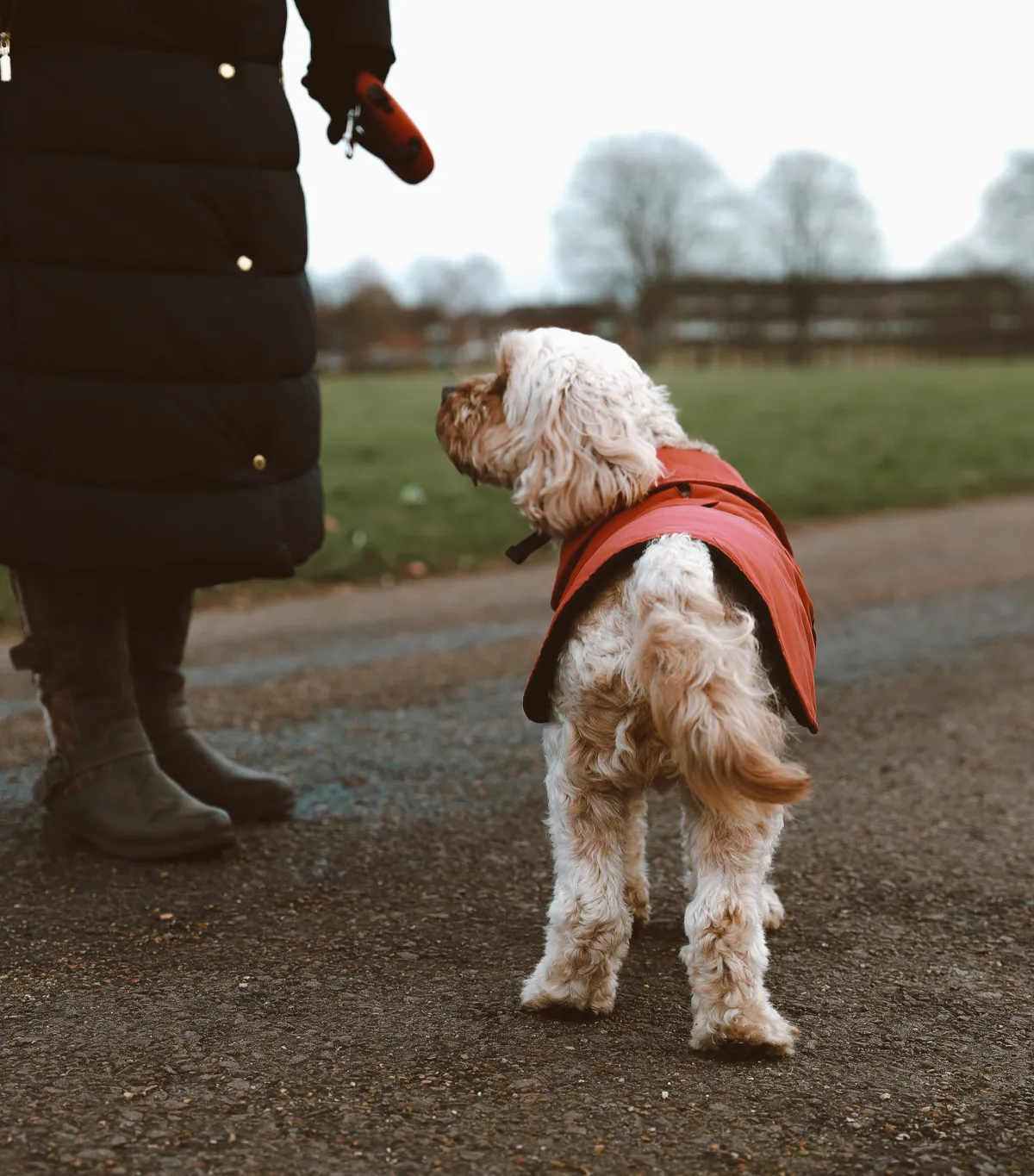
Brushing your dog's coat at home is an essential responsibility that keeps their coat healthy and can prevent unnecessary discomfort. For many owners, the challenge lies in assembling the right tools and introducing a straightforward home routine. This practical guide draws on leading UK animal charity advice to explain which brushes suit different coat types, how to make grooming a positive experience, and tips for setting up a user-friendly kit and effective brushing schedule. You’ll also find planning tips for organising supplies and involving everyone in your household to help keep your dog tidy and comfortable.
The Importance of Regular Coat Brushing for Dogs
Dogs benefit greatly from routine coat brushing. Brushing keeps their fur clean, helps remove loose hair and debris, and prevents tangles or matting from forming—concerns that can escalate if left unaddressed. According to prominent pet care charities, making brushing part of your regular routine allows you to keep an eye out for tangles and fur changes, making it easier to spot problems early before they cause discomfort. Alongside promoting a clean, manageable coat, it provides a moment to notice if there are any sudden knots, bits of dirt, or changes in texture that may need further attention. By building brushing into your weekly or even daily schedule depending on your dog’s needs, you take an important step in supporting their physical comfort.
Selecting the Right Brush for Your Dog’s Coat Type
The most effective grooming kit begins with choosing the proper brush based on your dog’s coat. For short-haired breeds, animal care charities recommend a bristle brush. This type works well for removing loose fur and surface dirt. For long-haired dogs, a slicker or pin brush is generally more appropriate, as these help gently work through longer hair and help manage any tangles or thicker patches of coat. If you’re unsure what you have, start by listing the brushes available in your home, then compare them against your dog’s coat description. Some owners may prefer to keep photos or packaging from brushes for future reference, especially if there is more than one dog in the household. Taking a careful approach to brush selection ensures your grooming kit meets your specific dog’s requirements, rather than relying on a one-size-fits-all solution.
Optional Tools for a Complete Basic Grooming Kit
In addition to their main brush, many owners opt for a wide-toothed comb, which can aid in tackling minor knots, especially for dogs with longer or curly coats. When assembling your kit, make a simple checklist of brushes and combs. You could physically lay them out on a table and tick off against your list, making it easier to see if anything’s missing before your next shopping trip. As an organisational idea, decide whether you'd prefer to keep all grooming tools together in one larger box or separated in small containers by tool type. For homes with multiple dogs or coat types, colour-coding brushes or keeping labelled bags can be useful for fast identification. If your dog’s fur develops severe or stubborn mats, consult a professional groomer or your vet for safe removal rather than attempting to deal with them without expert guidance.
How and Where to Set Up Your Home Grooming Area
Choosing a spot at home for grooming sessions can make the process smoother. You could assess high-traffic versus quieter areas—perhaps a utility room, kitchen corner or beside a window where your dog enjoys the view. Think about flooring that’s easy to clean, lighting, and proximity to your grooming kit storage. Some owners anchor the routine by always brushing in the same room, which helps make the activity more predictable for everyone involved. Before each session, check you have all brushes and cleaning tools to hand to reduce mid-grooming interruptions. If space is tight, a small portable caddy or basket can help gather tools together to move easily between rooms as needed.
Gently Introducing Your Dog to Brushing
Start all brushing routines slowly, especially if your dog is new to grooming or wary of handling. Begin with short sessions—just a few minutes at first—and focus on less sensitive areas, like your dog’s back, before moving gradually to more sensitive places. Praise and reward calm behaviour with a gentle word or occasional treat. Offering your dog the chance to sniff or look at the brush ahead of starting may help settle nerves. Over time, as your dog becomes accustomed to the sensation and the routine, you can gradually extend the length of sessions. Remember, always monitor your dog's reactions and adjust the pace to their comfort. If your dog becomes unsettled, pause and try again later, maintaining a calm and encouraging manner.
What to Check for During Grooming Sessions
Brushing doesn’t just smooth your dog’s coat; it’s also your opportunity to check for knots, debris, or skin concerns. Look for small mats forming and gently tease them out with a wide-toothed comb, but do not pull or force. While removing minor knots is often straightforward, it’s best to seek professional advice from a groomer or vet for mats that won’t loosen easily, rather than risking discomfort. Observe your dog’s skin closely for anything unusual, such as redness, sore patches, or new bumps. Take note of these findings with a written log or a photo, so you can update your vet if issues persist or worsen. Documenting any patterns you spot can be helpful for regular vet visits.
Organising and Storing Your Grooming Kit Effectively
Keeping your grooming kit tidy and accessible boosts the chances of sticking to a home brushing routine. Evaluate spaces—like under-sink cabinets, hallway cupboards, or shelves—based on how often you access them and who else may need the kit. Some homes keep grooming items in a labelled caddy by the main brushing area; others use a dedicated shelf in the bathroom. Consider making a laminated checklist for tracking brushes, combs, and any new purchases, replacing missing or worn-out tools as needed. Group items by use (such as everyday versus occasional grooming) for convenience. If you share responsibility, a visible checklist can keep everyone on track. Recording when items were bought or last cleaned adds an extra layer of household organisation.
Coordinating Grooming Tasks Among Household Members
If you live with others, planning who manages brushing duties can help maintain consistency. Discuss with your household who is comfortable grooming and decide together if tasks—such as brushing, coat-checking, or putting away supplies—will rotate or be assigned to specific people. For families with children, you can involve them in age-appropriate ways, such as preparing the Caddy or helping list used tools. Posting a weekly rota or tick box chart near your grooming kit, or setting digital reminders on shared calendars, helps everyone remember brushing sessions. For new dog owners, a household discussion about where brushes will be kept and how to clean or store them after use will prevent confusion and support teamwork.
Related reading
Questions & answers
Which brush is best for a short-haired dog?
A bristle brush is generally recommended for short-haired dogs, as it effectively removes loose hair and dirt.
How can I make grooming easier for my dog?
Introduce brushing gently, start with short sessions focusing on less sensitive areas, and reward your dog for staying calm.
Where should I keep my dog grooming kit?
Consider storing your kit in a basket or cupboard near your usual brushing spot for easy access.
Sources
Ad · We may earn a commission from these links, at no extra cost to you. Product types and features are buying guidance; check the retailer’s listing for details.