
dogs
Planning separate resting spaces in a multi-dog home
Plan resting spaces for a multi-dog home, with quiet areas, an inventory of beds and practical budgeting choices.
Published 17 October 2026
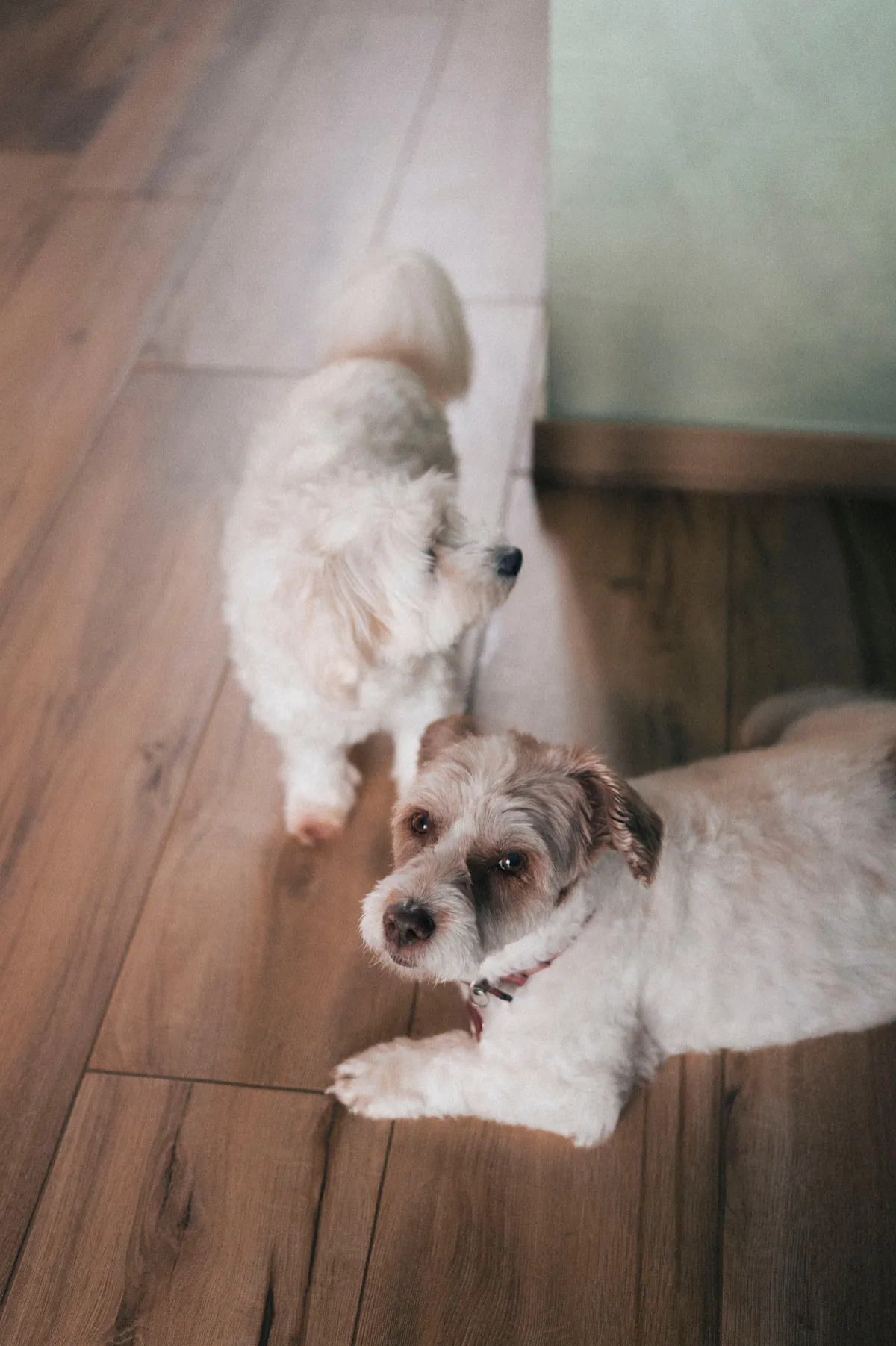
Arranging suitable resting areas for several dogs at home means balancing available space, individual needs, and practical household organisation. According to animal care experts, each dog benefits from a clean, dry, and quiet area to rest. Deciding where and how to set up these spaces requires observation, planning, and sometimes a bit of compromise, especially with budget or shared living arrangements. This article focuses on the step-by-step choices—from inventory checks to involving everyone in your home—so you can provide appropriate resting resources for each dog, with no assumption of behaviour change or guaranteed outcomes.
Rest Spaces and Retreats: What the RSPCA Advises
The RSPCA states that every dog in a multi-dog household should have their own clean, dry, and quiet place to rest, as well as access to a safe retreat. This means setting up at least one suitable resting resource per dog and evaluating your current home layout to see where these areas can be established. Consider corners away from busy spots like hallways or kitchens, and think about areas behind larger pieces of furniture that may naturally muffle noise. Safety and quiet are priorities—not strict spatial separation—so the focus is on accessible, undisturbed locations rather than promising a particular behaviour outcome. Review each area for possible disturbances, such as the proximity to washing machines or television noise, to help follow these recommendations.
Providing Enough Beds and Resources per Dog
RSPCA advises providing enough resources for every dog in a multi-dog home. Start your planning by listing the dog beds and resting areas you already provide, then compare that inventory with the number of dogs. If more suitable resting places are needed, you can compare the available space and your budget before choosing them. A shared household list may help you keep track of what is already available and what you still need to consider. These are optional ways to organise the decision; they do not establish whether a particular household item, crate or carrier is suitable as a dog bed.
Establishing Quiet, Low-Disturbance Areas
The RSPCA highlights the value of a quiet resting spot. To achieve this, owners can compare different locations within their home—such as alcoves, utility rooms, or underused corners in bedrooms. Before choosing, ask yourself: Is this area subject to sudden noise, high foot traffic, or bright overhead lights? A checklist can be useful: rate each possible spot based on how often it’s disturbed during the day, whether it’s away from play areas, and how easy it is for your dog to reach it. If uncertain, involve household members and take note of where each dog goes to rest unprompted, then discuss these preferences before finalising placements.
Observing Each Dog’s Choices Over Time
After beds are placed, observing how dogs use the spaces is essential. For at least a week, log which resting spot each dog prefers and how often they visit. If you have multiple people in the household, share the task of noting where dogs settle during different times of day—this can reveal which locations remain undisturbed. Ask yourself: Does each dog appear to have free access to at least one clean, dry, quiet area? Household feedback can highlight overlooked disturbances and help guide further adjustments, such as switching two resting spaces or reallocating an unused corner. The focus is always on presence of a suitable spot per dog rather than the effect on behaviour.
Planning Around Dogs’ Seasonal Needs
Evidence from PDSA emphasises that individual dogs differ in cold tolerance. Some dogs, particularly those with thin fur, may need extra help to stay comfortable during winter. In colder weather, review each dog’s usage of their assigned resting space. Ask if the area is more exposed to cold drafts or is typically cooler than other rooms. Depending on your observations, you might relocate a bed to a warmer corner or check regularly for any draughts. Make these adjustments seasonally and re-check preferences when the temperature shifts—without assuming any particular bedding or space will suit all dogs year-round.
Budgeting for Multi-Dog Households
Resource planning should also include budgeting. Start by making an inventory of all existing beds, baskets, blankets, and crates. Examine the condition of each: is it clean and dry, or does it require replacement? Then, prioritise essentials—such as acquiring enough beds so each dog has one—before considering extras. If a big purchase is needed, discuss splitting costs with adult household members or setting aside a monthly amount to cover eventual upgrades. Cooperative budgeting conversations can help prevent urgency purchases while ensuring all dogs’ needs remain covered. Remember, shared planning avoids over-buying and stretches budgets further when adapting resources.
Household Involvement and Regular Review
Assigning roles can simplify the process of keeping resting areas well-maintained. For example, delegate regular checks for bed cleanliness, decide who lists items needing replacement, or agree on a rotation for cleaning resting area floors. Hold periodic meetings—perhaps once every season—to review dogs’ usage of their spaces and to decide if resource placement needs adjusting due to changes in routine or room layout. This way, new issues like increased foot traffic or a new pet’s arrival can be addressed before they become problems. Encourage all household members to share what they notice, and update your inventory or placement strategy together.
Practical Planning Tools for Smooth Organisation
To keep track of resources and space use, create a checklist—either written and posted on the fridge or shared using a phone app. List where beds are located, when they were last cleaned, and which need replacing. If household space is limited, rank available rooms based on their ability to hold a resting area with minimal disruption. You can also compare the benefits of placing beds in private rooms versus communal spaces, depending on each dog's preference as recorded in your observations. Before adjusting a layout, ask: does this change improve quiet and access, and does every dog still have their own spot? Making this process routine helps maintain an organised, resource-sufficient home for all dogs.
Questions & answers
How many beds or resting areas should I prepare for multiple dogs?
The RSPCA recommends every dog have their own clean, dry, quiet resting place and access to a safe retreat. Compare your current supply of beds or dedicated spots against the number of dogs, and plan for one per dog as standard practice in multi-dog homes.
Where should I place dog beds to keep resting areas quiet?
Choose areas away from noisy appliances, doors, and busy routes. Involve household members to help identify low-traffic corners or spots that tend to stay peaceful throughout the day.
What resources should I list before reorganising dog spaces?
Make an inventory of all beds, baskets, travel crates, cushions, and spare blankets currently available. Compare this to your number of dogs to ensure each can have a dedicated resting spot.
How can I budget when organising resting spaces for several dogs?
Review what resting resources you own, prioritise gaps in essentials, and consider sharing the cost for new items with other household members. Allocating a monthly budget may help manage replacement or upgrades.
Do dogs need different rest spaces depending on the season?
Evidence indicates dogs vary in their cold tolerance. During winter, monitor if each dog’s chosen rest space is warm enough, and make location adjustments if needed, bearing in mind individual needs.
Related on FetchBoy
Sources
Ad · We may earn a commission from these links, at no extra cost to you. Product types and features are buying guidance; check the retailer’s listing for details.