
pet-technology
Can a microchip feeder help when one pet takes another's food?
Understand selective-access feeding and the household setup needed when pets compete for different food bowls.
Published 29 November 2026
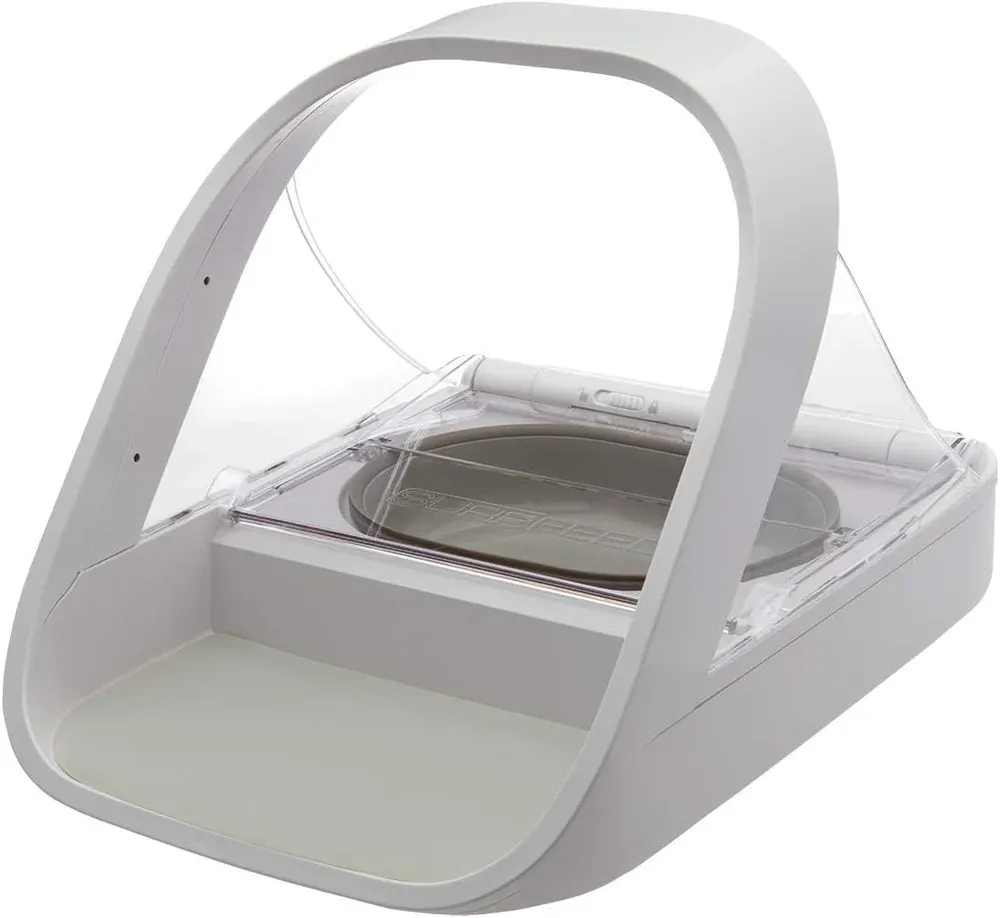
Understand selective-access feeding and the household setup needed when pets compete for different food bowls. This guide focuses on the practical decision behind the purchase, using FetchBoy’s recorded product information. It is an editorial buying guide, not a hands-on product test.
Access control is the relevant feature
The SureFeed microchip feeder is designed to open for a registered pet. That differs from a timer that simply exposes food at a chosen time. If the problem is one animal taking another's portion, selective access is the feature to investigate.
Observe the existing feeding situation
Identify which pet approaches which bowl and whether the feeding location allows another animal to crowd in. A device cannot by itself resolve every interaction around food. Provide appropriate space and avoid forcing pets to share a cramped feeding area.
Introduce the mechanism gradually
Follow the model's training instructions and give the intended pet time to become comfortable with the opening movement. Supervise early use and confirm that the registered animal is eating normally. Keep a suitable alternative arrangement while learning takes place.
Check the full routine
Verify compatibility, bowl care and how the feeder behaves in your household before relying on it. The feeder manages access; it does not diagnose dietary needs or prove how much an animal consumed. Seek veterinary advice about feeding changes when pets require different diets for medical reasons.
Related reading
Sources
Ad · We may earn a commission from these links, at no extra cost to you. Product types and features are buying guidance; check the retailer’s listing for details.