
dogs
Make Your Dog's Rest Zone Cosy and Secure at Home or When Moving
Set up a comfortable, quiet dog rest zone at home or during house moves with practical, evidence-supported tips and options.
Published 23 October 2026
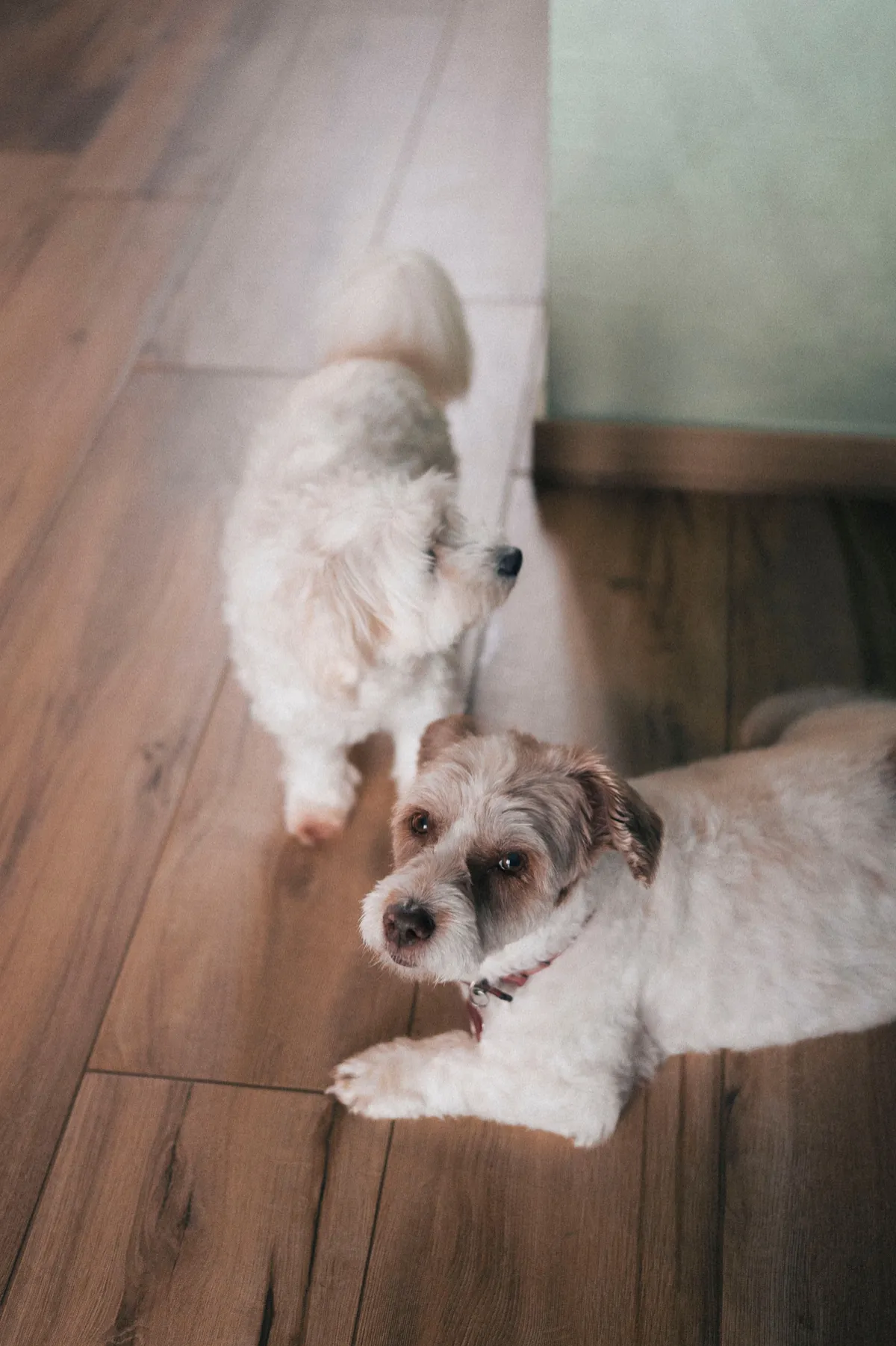
Creating a restful, cosy space for your dog can make both everyday life and big transitions—like moving house—much more comfortable for your pet. Evidence shows that familiar bedding, quiet locations, and a sense of routine help dogs settle in and feel at ease. Planning a dog’s rest zone involves practical decisions around layout, bedding, and the specific objects you include in their space. By thoughtfully considering these choices, you help ensure your dog has a spot to retreat to for relaxation, no matter your house’s size or the challenges of moving to a new environment.
Why Your Dog Needs a Special Resting Space
Dogs benefit significantly from having a dedicated area where they can escape the bustle of family life for undisturbed sleep and downtime. Providing a quiet, consistent space allows dogs to rest when they need to, meeting a basic welfare need for undisturbed sleep. It’s helpful to choose whether a fixed bed, portable mat, or crate suits your home and your dog’s habits. For homes with multiple pets or children, you might list various zones that could serve as possible locations and weigh their advantages — for example, a spare bedroom corner versus a screened-off nook in a main living area. Creating a checklist of essentials, such as bedding, water, and familiar items, helps you prepare whether setting up from scratch or refining an existing spot. Assigning responsibility within your household for maintaining this space could also keep it truly restful. For city apartments and smaller flats, use floor plans or even masking tape on the floor to experiment with different placements before moving furniture. Regularly observing your dog’s preferred resting spots during quieter periods of the day may also give clues about where to create or adapt a rest zone.
Choosing the Best Spot: Quiet and Calm
Select your dog’s rest area away from the busiest parts of the home, such as main corridors, kitchens during meal prep, or entryways. Consider corners of less-used rooms, window seats shielded from direct street noise, or a utility room that stays temperate. To minimise interruptions, compare the frequency of household traffic in different areas throughout the day — tracking activity patterns over several days if needed. Involve other household members in a trial setup to walk by each option, noting how much noise and disruption occurs. If your home layout limits options, consider lightweight partitions, folding screens, or repurposed furniture (such as a bookshelf) to create a sense of seclusion for your dog. Families with young children may discuss rules about giving the dog space when resting. You can list each household member’s activity routines alongside possible rest zone locations to help reach a consensus about the most peaceful spot.
Using Familiar Bedding and Items
The guidance suggests that familiar bedding and toys can play a key role, especially during times of transition or change like moving house. Before a move, make a checklist of your dog’s favourite beds, blankets, and toys, and gather them into one box or bag to keep close at hand. If you have multiple beds, compare which ones are used most often at home and prioritise those for the new environment. After arriving in a new house, set up the rest area immediately using these items rather than waiting until all furniture is in place. For routine household refreshes, simply rotating or cleaning the bedding is an organisational choice, and you can decide whether to swap out less-used toys for those your dog favours. Assign someone in the household to collect and set out these familiar comforts, if practical.
Bedding: Comfort and Practicality
Comfortable bedding is essential for an effective rest zone. Options include dog-specific mattresses, folded soft blankets, or layered pads — the style can be chosen to suit your dog’s preferences and the available space. Take measurements of possible rest areas and compare your dog’s current beds to those spaces: which bed offers the best fit, ease of cleaning, and level of softness? For dogs with a preference for certain textures, keep a written or photographic record of what they use most. You might also consider where the bedding will be least affected by draughts, damp, or direct sunlight; check window and door orientations before deciding on a final placement. In multi-dog households, you can compare the impact of a shared versus individual bedding option by observing where each dog prefers to settle. For aesthetic or organisational purposes, coordinated covers or baskets can help the dog’s rest zone integrate with your home’s décor and keep the area tidy.
Keeping the Space Peaceful During a Move
Moving house can disrupt familiar routines and unsettle dogs. Evidence suggests maintaining routines and offering a familiar rest zone can help during such periods. When moving, create a checklist of dog essentials — favourite bed, water bowl, comfort items — and pack these last so they’re easily accessible. Upon arrival, set up your dog’s rest area as soon as possible, prioritising a spot that is as quiet and undisturbed as possible, such as a back bedroom or away from main walkways used by movers. If your dog is crate-trained, place their crate in a similar position to where it was in your previous home. Families can assign tasks (for example, one person sets up the rest area while others unpack), ensuring this space is ready early and signals continuity. Keep your dog’s feeding and outdoor routine steady, using alarms or written schedules if necessary to avoid lapses during the busy moving period.
Access to Water: Practical Arrangements
Access to water in the rest zone is crucial. Place a sturdy bowl within easy reach of the bedding; if the area is carpeted or near electronics, you might choose a non-spill design for added security. Assign someone to check and refill the bowl daily — a simple label or tick sheet nearby can serve as a reminder. Compare several spots around the rest zone to find one least likely to get knocked over by passing feet or wagging tails, and check for easy reach from the bed. In homes with multiple pets or active children, discuss strategies to keep the water bowl undisturbed: barriers, raised positions, or gentle reminders may help.
Household Planning: Adapting Spaces for Dogs and People
Balancing your dog’s needs with those of the household sometimes means adapting layouts or routines. Start by assessing all possible locations for a dog rest zone, entry points, and typical daily traffic. Use room sketches, digital floor plans, or even a written table listing each option’s pros and cons: daylight, noise, temperature, and available space. For households where the dog’s zone might need to move (for example, during gatherings), consider a portable mat or basket that can travel between rooms. Simple organisational aids like hooks near the rest area for leashes or baskets for toys and grooming tools support both tidiness and preparedness. Invite input from children or other members on keeping the area clutter-free or remembering rest-time boundaries. If necessary, trial different layouts for a week and compare feedback from the family.
Periodically Reviewing and Refreshing the Zone
After any significant change — a move, new furniture, or household members — it’s practical to reassess your dog’s rest area. Observe whether your dog uses the space as intended or prefers another location. Families can keep a log of where the dog sleeps at different times, making note of any shifting preferences. When refreshing the rest zone, consider swapping bedding locations, testing a new mat, or trialling a different water bowl type, tracking results by taking photos or simple checklists. Scheduling a regular monthly review of all ‘pet zones’ in your home can make these updates routine. Assigning each family member a role — checking for draughts, tidying toys, or replacing worn bedding — also spreads responsibility and helps the area remain fresh and appealing.
Questions & answers
What should I include in my dog’s rest zone?
Include comfortable bedding, a bowl of fresh water within reach, and familiar toys or blankets your dog already enjoys.
Where is the best place in my house for a dog’s rest area?
Select a quiet spot away from busy corridors or loud appliances. Compare available rooms or corners for peace and low disturbance.
How can I make my dog feel more comfortable in a new home?
Use your dog’s familiar bedding and preferred toys. Set up a consistent rest area quickly and keep routines steady during the transition.
How often should I review or refresh my dog’s rest space?
Choose a regular date or event after a house move to check the rest area’s comfort and layout, using lists or photos to help track changes.
Related on FetchBoy
Sources
Ad · We may earn a commission from these links, at no extra cost to you. Product types and features are buying guidance; check the retailer’s listing for details.