
dogs
Simple Indoor Scent Games for Dogs: Easy Setups Using Everyday Items
Learn easy ways to create indoor scent games for dogs using household items. Practical tips and safe enrichment when walks are limited.
Published 18 November 2026
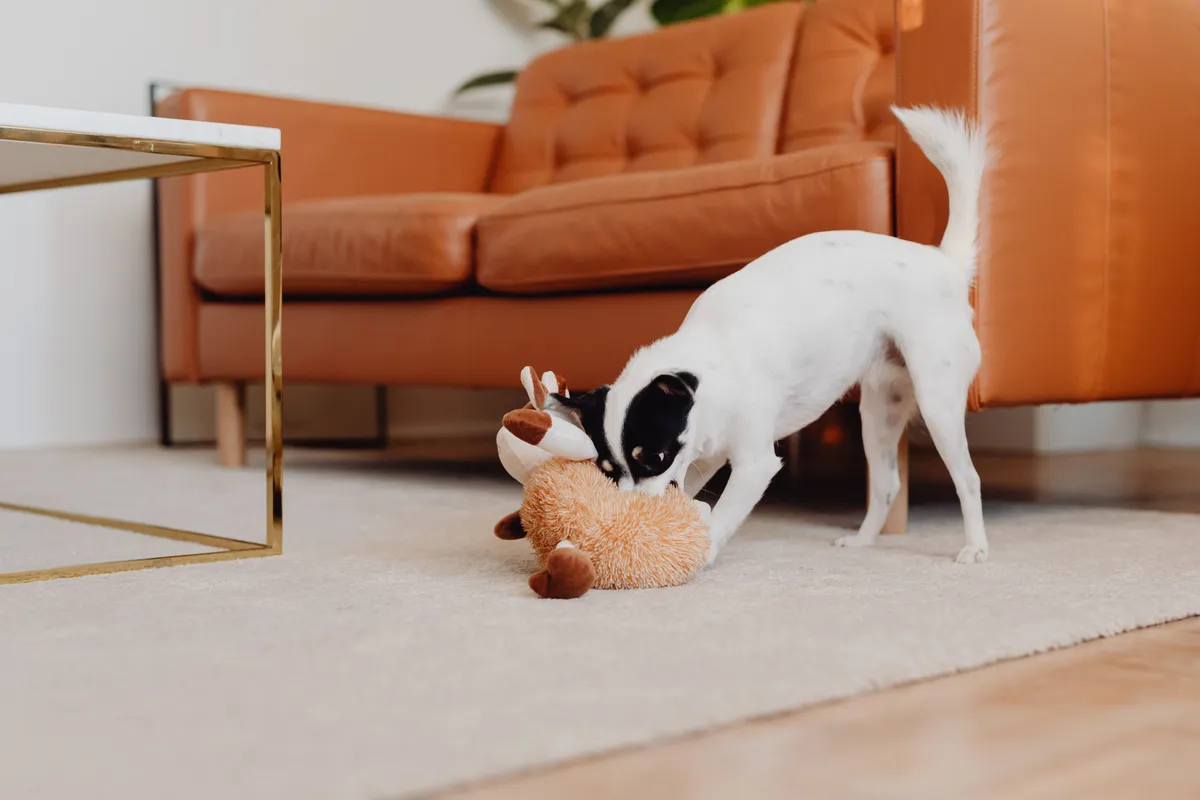
When poor weather or health restrictions keep dogs indoors, it can be challenging to provide them with the stimulation they need. Luckily, a dog’s powerful sense of smell allows for a range of rewarding indoor scent games using just household objects. Creating these simple mental challenges doesn’t require specialised equipment—just a little creativity, attention to your dog’s abilities, and some basic supplies from around the house. In this guide, we’ll show you how to set up enjoyable scent-based activities tailored to your dog, ensure safety, and keep things engaging, all with practical steps inspired by UK animal charities. Whether you have an energetic young dog or need to adapt for an older pet, you’ll find flexible ideas to keep your canine mentally active indoors.
Why Scent Games Benefit Indoor Dogs
Scent games tap into natural canine instincts, offering physical and mental activity within four walls. Sniffing out treats or toys provides entertainment and helps expend energy, particularly important when regular walks aren’t possible. UK animal experts point out that these activities can be more satisfying to a dog than repetitive indoor fetch or passive toys, since following a scent trail is both mentally engaging and physically tiring. Remember that different breeds and ages of dogs require varying levels of activity, so it’s helpful to adjust the pace and difficulty based on your own pet’s needs. Consider observing how your dog reacts to the first few scent challenges and tailor future games to encourage interest without overwhelming them. Even a short, focused session can make a noticeable difference in your dog’s indoor routine.
Basic Safety for Indoor Scent Activities
Before starting, ensure that any items used for scent games are safe and can’t be swallowed or chewed into dangerous pieces. Avoid small objects or those that could become choking hazards—opt for larger, sturdy household containers, such as clean plant pots, plastic cups, or cardboard boxes with open tops. If hiding treats under objects, supervise your dog to prevent them from chewing up containers. For multi-dog households, separate participants so each dog can focus without competition. Double-check any foods used are safe for dogs, avoiding artificial sweeteners like xylitol, chocolate, grapes, or raisins. Adapt hiding places for your dog’s mobility: limit slippery surfaces and keep challenges in easily accessible, open areas to avoid accidents.
Choosing Suitable Household Items
Many common items can be repurposed for scent games. Clean, empty cardboard boxes, flowerpots, large plastic cups, or mixing bowls all make effective treat-hiding spots. Consider varying their size, shape and weight to change up the level of challenge for your dog. For dogs new to scent games, start with shallow containers that are easy to tip or nose, gradually introducing trickier options as your pet gains confidence. If you have space constraints, choose stackable or collapsible items for easy storage after each play session. Before setting up, check all items are free from sharp edges, residues, or lingering scents from non-food substances. You might keep a small dedicated basket or shelf with clean items for games, which helps make setup quick each time. If household members contribute ideas, make a list of available containers and rotating options to keep every session fresh.
Simple Treat Hiding Variations
The core of indoor scent work is hiding treats for your dog to find. To begin, allow your dog to watch you hide a treat under an upturned cup or beneath a box. Relax the challenge for beginners by leaving treats partially exposed; once your dog gets the hang of it, increase difficulty by adding more objects or obscuring the treats completely. Try hiding rewards in several locations around a single room—under cushions, behind doorstops, or in corners. For dogs with more experience, place treats in less obvious spots, such as under one of a row of identical containers. If you live in a flat or shared space, use portable options to minimise disruption. A simple whiteboard checklist can help track which games you’ve played and prevent repetition. Involve children by letting them choose hiding spots, while always monitoring for safety and fair play.
Box Puzzle and Scent Trails
Cardboard boxes are especially versatile for homemade puzzles. Arrange several boxes in a semi-circle or grid, placing a treat beneath or inside one while your dog waits outside the room. Release your dog and encourage them to search. Change the position of the treat each round to encourage thorough sniffing rather than guessing. You can also set up a basic scent trail by dragging a treat or a safe toy along the floor before hiding it—let your dog follow the path to its prize. For smaller homes, fold boxes flat after use to save space. If multiple people live in your home, consider a rota for who hides the treats, introducing an element of surprise for your dog and keeping engagement high. Take care to keep boxes dry and dispose of them if they become worn or soiled.
Adapting Challenges to Your Dog’s Ability
Scent games should reflect your dog’s mobility, age, and experience. Puppies or older dogs may benefit from shorter, simpler activities—such as hiding treats in plain sight or using lightweight containers that are easy to nudge. Younger or more energetic dogs may relish advanced games with greater distances or multiple decoy containers. Always supervise first attempts to assess your dog’s comfort level. If your dog shows signs of frustration or fatigue, simplify the next round. With larger households or variable routines, use a note on a fridge or pet calendar to remind yourself which difficulty level was last successful. If unsure, start with the easiest option and adjust gradually. Involvement from other family members can provide fresh ideas for hiding places and prevent games from becoming repetitive.
Alternative Indoor Toy and Puzzle Ideas
Toys and commercially available food puzzle feeders can be valuable additions to your scent game toolkit, especially if rainy weather or health prevents walks for several days. Many UK experts suggest rotating toys alongside homemade scent setups to maintain novelty and challenge. Puzzle feeders slow down mealtime and provide a focused mental workout. When choosing toys or puzzles, check that they are appropriate for your dog’s size and chewing habits, following packaging guidance for safety. If shelving space is limited, dedicate a small basket close to your main play area for puzzle items; keep a record of which toys are most engaging so you can alternate when interest wanes. For multiple dogs, keep a separate set of safe items for each pet to avoid conflict and monitor for wear and tear.
Encouraging Family Involvement and Variety
Getting the household involved adds new hiding strategies and keeps scent games interesting for your dog. Assign roles—such as treat hider, timekeeper, or observer—to different family members for each session. This can foster teamwork and add anticipation for everyone involved. In busy homes, establish a regular play schedule, perhaps after meals or as an alternative to an evening walk, creating a sense of shared routine. If children participate, review safety basics together; they might enjoy making a chart of hiding spots used or timing how quickly the dog finds treats. For smaller living spaces, limit games to a single room or hallway and vary the layout each time to avoid predictability. Encourage household members to note which types and difficulties of games your dog responds to best—jot ideas in a notebook or use a messaging app for quick updates if the whole family takes part in play.
Related reading
Questions & answers
Can I use regular household objects for scent games?
Yes, items such as clean cardboard boxes, plastic cups, or large plant pots can be safely used for indoor scent challenges, provided they don’t pose a choking risk and are supervised.
What treats are safe to use in scent games?
Use treats specifically made for dogs. Avoid anything containing xylitol, chocolate, grapes, or raisins, as these are harmful to dogs.
How often should I play scent games with my dog indoors?
There is no fixed rule; adjust frequency based on your dog's age, breed, and enthusiasm. Start with short, regular sessions and adapt as you learn what keeps your dog most interested.
Are scent games suitable for all breeds and ages?
Most dogs enjoy scent games, but the complexity and duration should be tailored to your individual dog's needs, age, and mobility.
Sources
Ad · We may earn a commission from these links, at no extra cost to you. Product types and features are buying guidance; check the retailer’s listing for details.