
cats
Horizontal or vertical cat scratcher: observe before buying
Use observation and home planning steps to choose cat scratchers that fit both your cat’s habits and your living space.
Published 18 October 2026
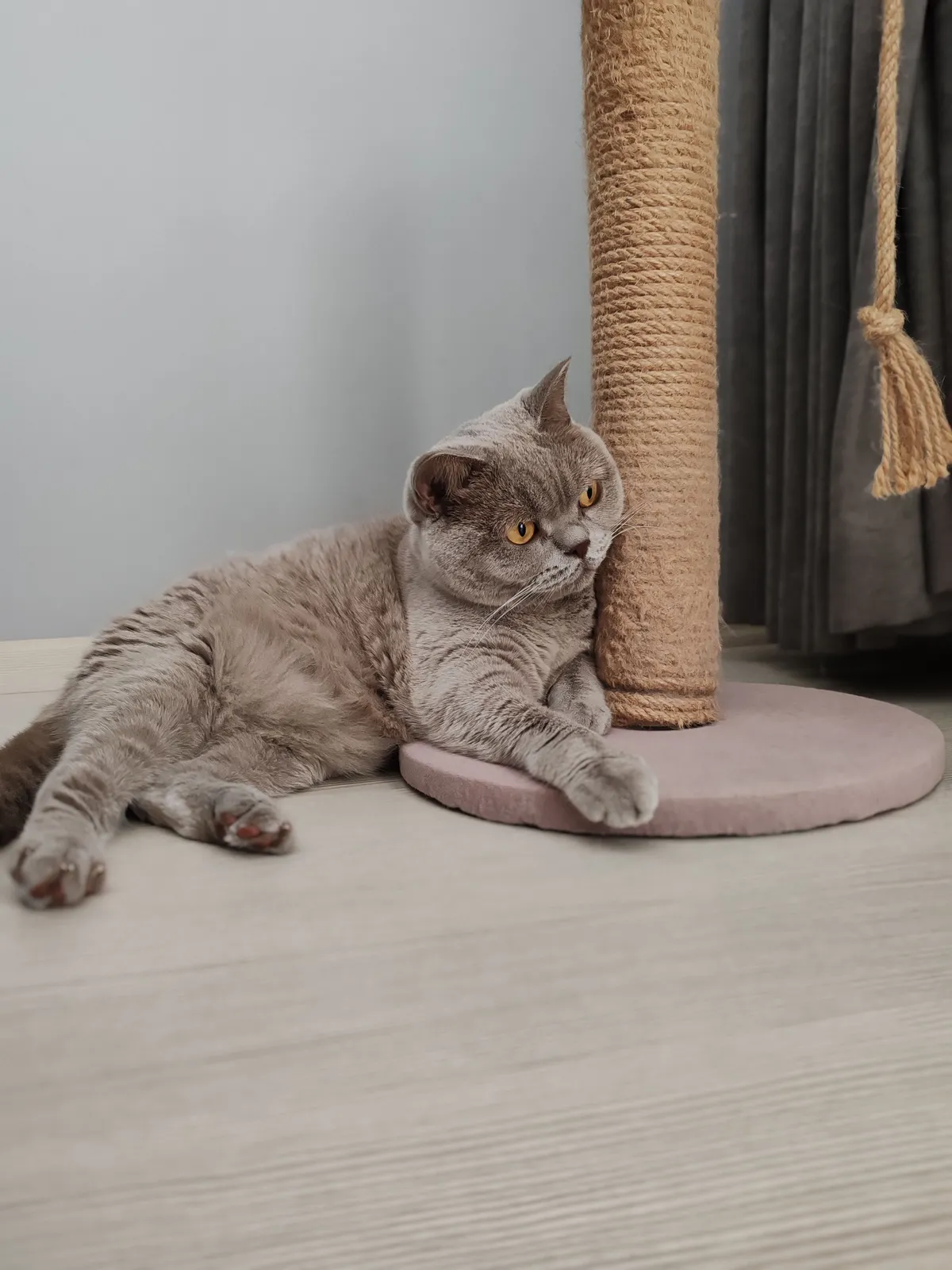
Choosing between a horizontal or vertical cat scratcher is all about observation and thoughtful space planning. Rather than relying on one-size-fits-all recommendations, you can spot your cat’s unique scratching style by carefully watching their daily habits. Notice where they scratch, how they stretch, and what types of surfaces attract them. Turning these observations into a checklist and mapping possible scratcher locations around your living space allows for a truly customised approach. Working together as a household, and even testing placements before buying, can help ensure that your next scratcher fits well—and serves your cat's actual preferences. This guide offers a practical, step-by-step plan for making scratcher selections with clarity and confidence.
Observe Your Cat’s Scratching Habits
Begin by watching your cat throughout the day and noting where and how they scratch. Do they stand and stretch against upright objects like walls, sofas, or banisters? Or do they knead and claw mainly at horizontal surfaces such as carpets, mats, or doormats? Are scratch marks clustered around the baseboards or more often seen at hip-height and above? Spend at least a week making notes on their scratching spots, body posture, and time of day. You may wish to log these observations in a notebook or create a digital note that everyone in the home can update. These records help reveal whether your cat is a vertical scratcher, a horizontal one, or a mix of both, forming the basis for your next decisions.
Checklist: What Type Suits Your Cat?
Turn your observations into a simple, actionable checklist. Ask yourself: Does my cat consistently reach up with their front paws, fully stretching out? Do you often find evidence of scratching on carpets and door mats, or on the arms and sides of furniture? Are there scratches both up high and down low? Of equal importance, which areas see the most feline attention? Listing your findings in one place—such as a wall chart or shared app—lets all household members stay informed. Mark high-traffic scratching zones with temporary sticky notes if needed. If observations point toward a mix, consider providing both a stable, tall scratching post and a sturdy pad; otherwise, let your checklist insights guide your main purchase.
Planning the Right Spot in Your Home
Scratcher usefulness depends greatly on location. Ideally, place scratchers in the exact spots your cat already favors or close to important resting areas. Ask: Is there a free corner near the sofa where a vertical post could stand? Could a horizontal mat fit beside a frequently scratched rug or in a hallway where your cat likes to sprawl? Diagram your living space: identify potential locations, measure each for available width and height, and check how much floor or wall clearance you actually have. This mapping exercise helps prioritise which areas need a new scratcher and which spaces are impractical or too crowded. Rearranging small furniture or placing a mat under an existing piece—like an armchair—are practical strategies for fitting scratchers into lived-in rooms.
Space Constraints and Practical Options
In compact homes, measuring available space is crucial before selecting a scratcher. Grab a tape measure and jot down dimensions of spaces behind doors, under beds, or next to existing furniture. Ask yourself: Can the potential scratcher slot behind the sofa without blocking walkways? Will a horizontal scratch mat stay put and avoid becoming a slip hazard? If you live in a flat or with space-sharing roommates, compare the available space in shared rooms versus private nooks. For larger homes or open-plan layouts, vertical towers might fill unused corners or stand alongside the staircase. As an additional planning tip, list the footprint and height of the possible scratcher in your notebook and compare it to online product dimensions before buying—noting if movement through the room will stay clear.
Involving the Household in the Decision
If you live with others, coordination helps prevent duplicated purchases and misplaced scratchers. Ask housemates, children, or partners to keep an eye on where they see your cat scratching or where damage is emerging. Set up a common notepad in the kitchen, or use your phone’s shared lists to collate observations and scratcher ideas. Are there rooms that must remain clutter-free? Is there consensus on which locations see the most cat activity? List all your current scratching posts and pads; note their current placements and condition. Before buying anything new, review together what’s working and where upgrades or moves would help. This participative process not only lightens the workload but builds awareness, letting everyone adjust as the cat’s habits evolve.
Trial and Review: Testing Preferences
Unsure which scratcher type your cat really wants? Place a temporary cardboard scratch mat or use an inexpensive trial post in several spots that match your checklist data. Over several days, observe which gets more attention, and track whether your cat investigates, ignores, or frequently uses each one. Tally up scratching events for each placement and style. Does the cat spend more time on a sample mat near the entryway or stretch for a post by the window? Take photos or make daily notes so you can spot patterns. If your household shares this log, remarks from different family members can help avoid bias from one person’s perception. Once a preference is clear, you can match actual use to the dimensions and shape of posts available when shopping.
Integrating with Existing Resting Areas
Many cats like to scratch when they wake up or after a nap. Take note of where your cat favours sleeping—does your cat doze on windowsills, in hidden cubbyholes, or tucked behind the sofa? Could a vertical scratcher stand next to their favourite cushion, or would a horizontal pad fit under the table or beside a bed? In homes with more than one feline, start a list of each cat’s go-to rest spots. If several pets share a bed, consider whether there’s enough space for multiple scratchers nearby or if staggered placement in different rooms is more practical. Make sure any new scratcher doesn’t crowd sleeping areas or narrow walking paths for people moving through the room.
Adapting as Your Cat’s Needs Change
As your cat (or household) changes, so can scratching habits. Create a monthly or quarterly reminder on your calendar to walk through your home, updating your checklist with notes about which scratchers are being used, which seem ignored, and whether new attention to other surfaces has developed. If you move furniture, note if the cat’s interests shift and try repositioning existing scratchers to the new hot spots. Having a rotating log of scratcher position and utility helps spot trends and prevents waste. When a scratcher becomes worn out, compare its condition to your notes and decide if a replacement—different in style or simply new—now fits your cat’s real, observed needs. This flexible approach encourages ongoing observation rather than a set-and-forget method.
Questions & answers
Is a vertical or horizontal scratcher better for my cat?
Watch how your cat scratches—stretching upwards tends to indicate a preference for vertical posts, while scratching the floor usually favours horizontal pads. Tracking habits over several days provides the clearest insight.
Where should I put a new cat scratcher?
Position your scratcher near places your cat already scratches or close to where they rest. Entryways, beside furniture, and near beds are practical options based on observed habits and available space.
Can keeping a checklist help with cat scratchers?
Yes, by tracking your cat’s scratching type, favourite locations, and the current use of scratchers, you keep home planning organised and make more informed choices.
What if my cat uses both vertical and horizontal surfaces?
Some cats switch between types. Offering both styles in different areas could suit a mixed-preference household—observe and test where each works best in your available space.
Related on FetchBoy
Sources
Ad · We may earn a commission from these links, at no extra cost to you. Product types and features are buying guidance; check the retailer’s listing for details.