
cats
Hooded litter trays: measure the inside, not just the footprint
Assess usable space, access and cleaning before choosing a covered litter tray for your cat.
Published 29 November 2026
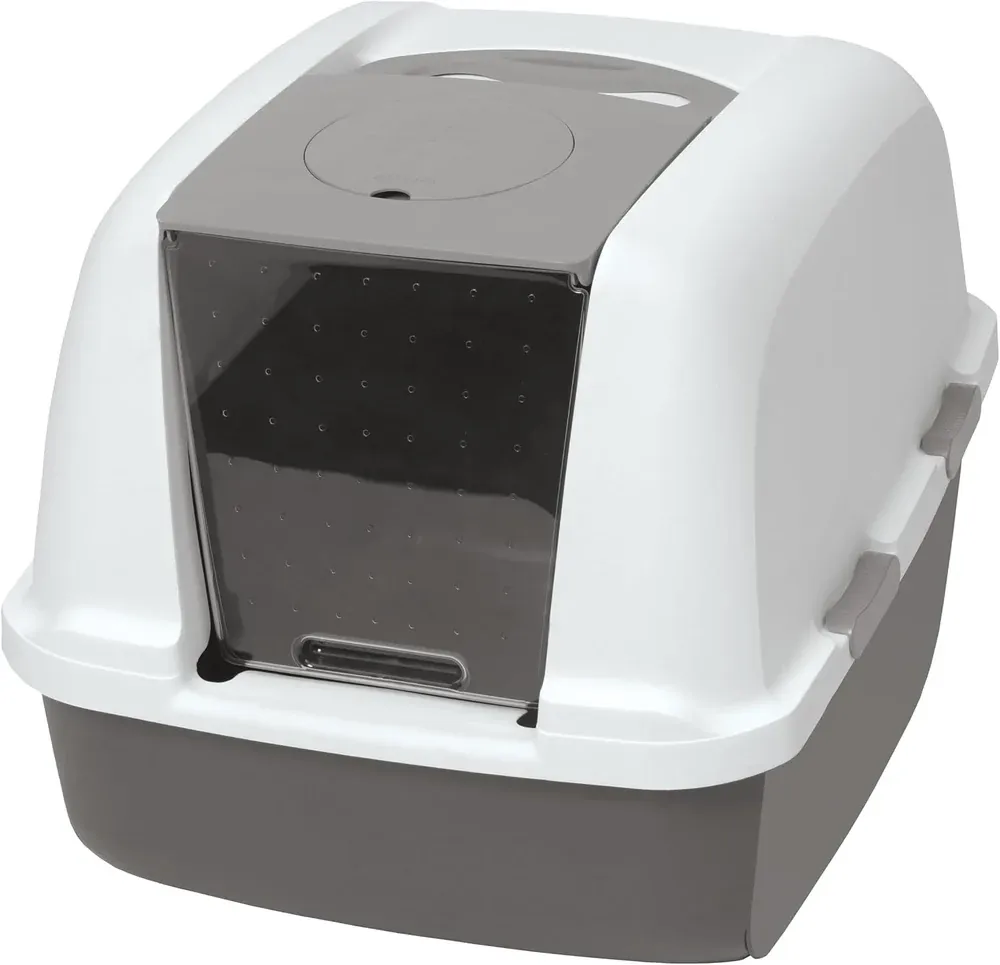
Assess usable space, access and cleaning before choosing a covered litter tray for your cat. This guide focuses on the practical decision behind the purchase, using FetchBoy’s recorded product information. It is an editorial buying guide, not a hands-on product test.
A hood changes the usable space
The outside dimensions include the tray walls and cover, so they do not describe the entire space available to the cat. Look at internal room and the entrance. A large-sounding product name is not a substitute for checking actual measurements.
Consider the cat's preferences
Some cats may use a covered tray readily while others prefer a more open arrangement. Avoid assuming a hood automatically provides the experience your cat wants. Introduce changes carefully and retain an appropriate alternative rather than abruptly removing the familiar option.
Make cleaning accessible
Check how the cover is removed and whether you can inspect the whole tray easily. A hood should not hide the need for regular cleaning. Consider where the tray will stand and whether there is enough room to lift and maintain it.
Choose the exact setup
The Catit Jumbo Hooded Pan is an example to compare against the cat and available space. Assess entrance, internal dimensions and care instructions together. Persistent changes in toileting behaviour need appropriate veterinary attention, not just a different tray purchase.
Related reading
Sources
Ad · We may earn a commission from these links, at no extra cost to you. Product types and features are buying guidance; check the retailer’s listing for details.