
pet-travel
Hard or soft cat carrier: choosing for ordinary journeys
Compare rigid and soft-sided carriers by access, cleaning, storage and the journey you actually need to make.
Published 29 November 2026
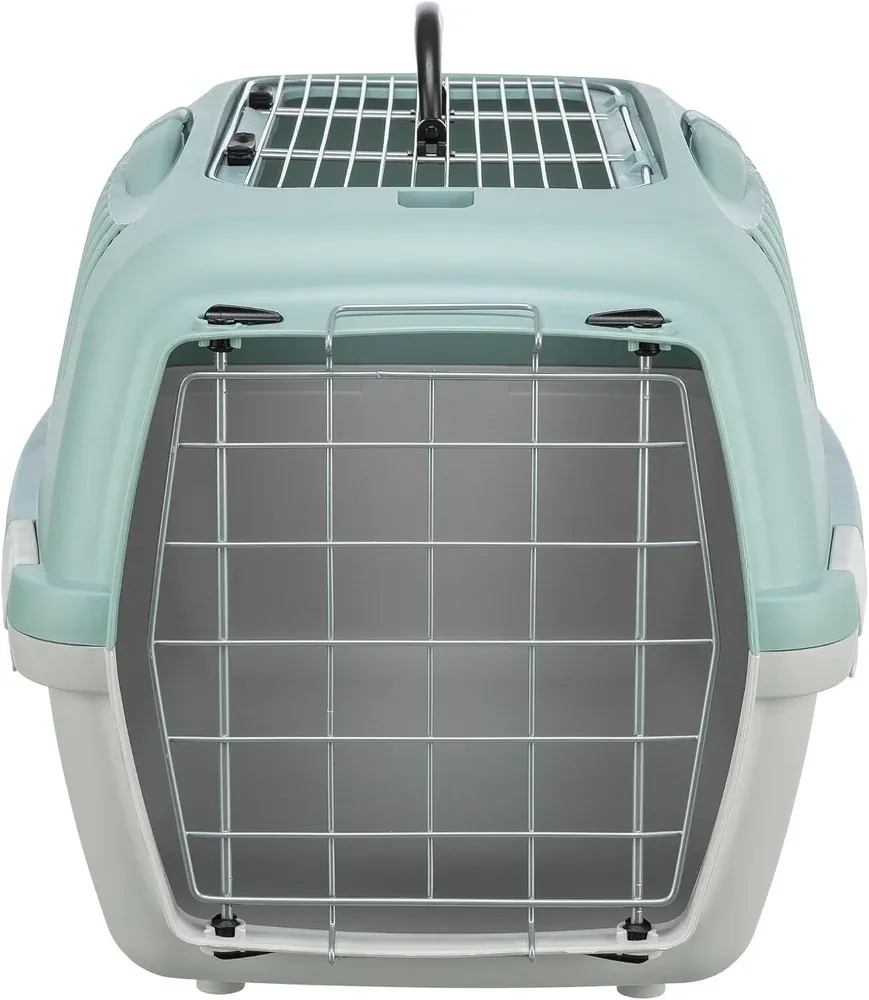
Compare rigid and soft-sided carriers by access, cleaning, storage and the journey you actually need to make. This guide focuses on the practical decision behind the purchase, using FetchBoy’s recorded product information. It is an editorial buying guide, not a hands-on product test.
Start with the purpose
A routine vet journey and an airline trip have different requirements. A rigid carrier and a soft-sided travel carrier also offer different access and storage arrangements. Choose for the intended journey rather than assuming the most compact product is the most suitable.
Compare internal room and openings
Check the usable dimensions for the cat and how you can place and remove it calmly. Inspect closures and ventilation. A carrier must suit the animal inside, not simply fit a cupboard or match a photograph of another cat.
Consider cleaning and transport
Think about how the carrier will be carried, secured and cleaned according to its instructions. A removable liner does not make every part washable. Keep damaged fasteners or fabric out of service rather than relying on an improvised repair.
Treat flight suitability separately
The Sleepypod Air is a travel-oriented example, but no product name guarantees acceptance by every airline. Check current airline and journey requirements directly before booking. For ordinary trips, prioritise a secure, usable carrier and a gradual introduction at home.
Related reading
Sources
Ad · We may earn a commission from these links, at no extra cost to you. Product types and features are buying guidance; check the retailer’s listing for details.