
beds-comfort
Choosing a dog bed for a home office
Fit a resting place into a working room without blocking access, trapping cables or confusing the dog's rest area with a play space.
Published 29 November 2026
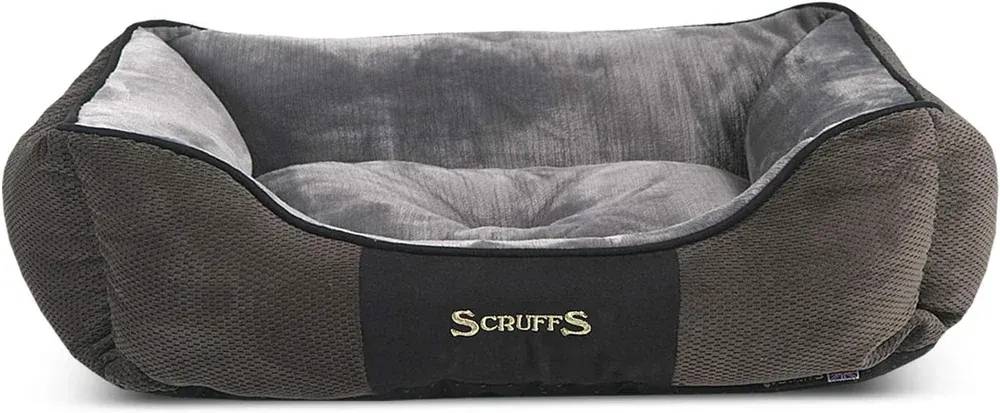
Fit a resting place into a working room without blocking access, trapping cables or confusing the dog's rest area with a play space. This guide focuses on the practical decision behind the purchase, using FetchBoy’s recorded product information. It is an editorial buying guide, not a hands-on product test.
Choose the location before the bed
Identify a quiet part of the room away from chair wheels, door movement and trailing cables. Mark the footprint before ordering. A bed should remain accessible when someone is seated at the desk, not only when the room is empty.
Allow the dog to move away
The office bed can be an option rather than the only resting place available. Avoid wedging it into a narrow gap simply to keep the dog beside you. Consider whether the dog can enter, turn and leave without stepping over equipment or being disturbed by every chair movement.
Select a practical surface
Compare usable sleeping space and the cleaning method. Raised sides may suit a dog that likes an edge, while another dog may prefer more open room. Keep food toys and drinks from turning the sleeping area into a damp or cluttered space.
Assess the arrangement in use
Watch whether the dog chooses the location and rests comfortably during ordinary work. If it repeatedly moves elsewhere, reconsider the position before buying a more elaborate bed. The right purchase supports a workable room layout; it does not guarantee that a dog will settle for an entire working day.
Related reading
Sources
Ad · We may earn a commission from these links, at no extra cost to you. Product types and features are buying guidance; check the retailer’s listing for details.