
dogs
Create DIY dog toys using household items
Make creative low-cost DIY dog toys using everyday household items. Easy project ideas for treat tubes, crackers, and home organisation. (127 characters)
Published 20 October 2026
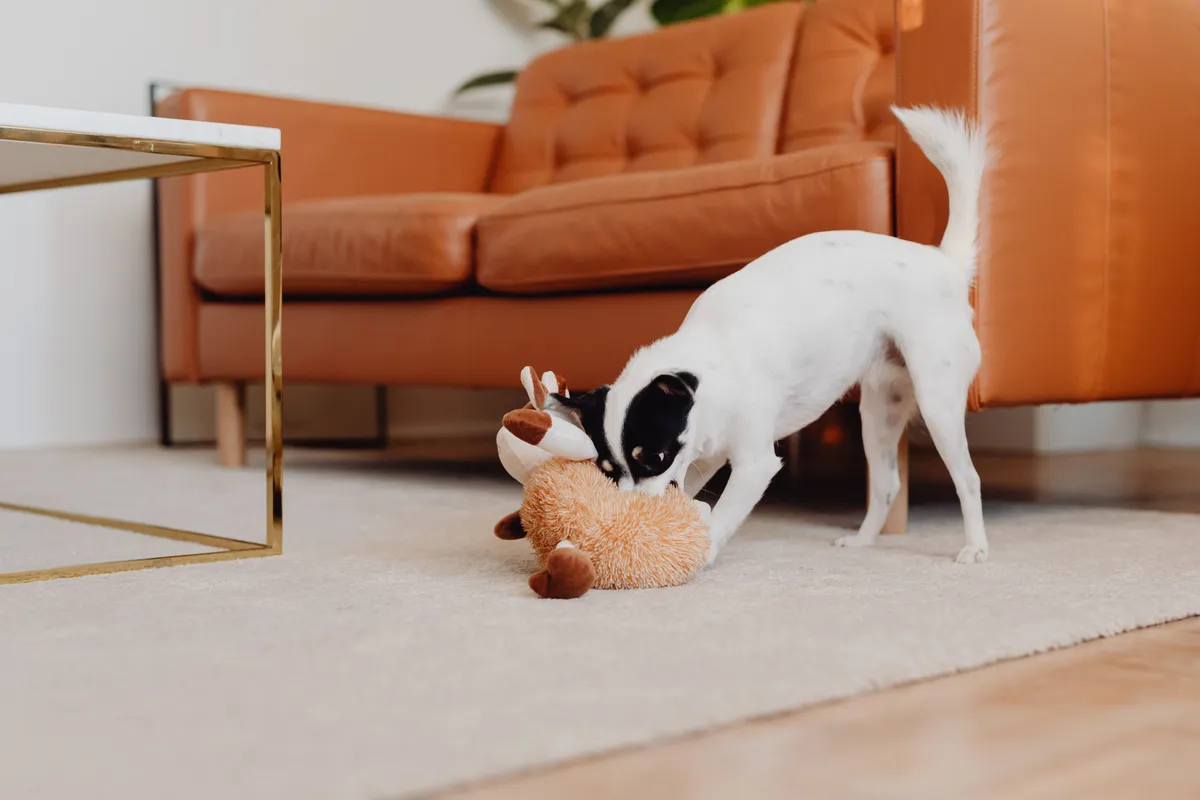
Keeping your dog entertained doesn’t have to mean buying new toys each month. Many everyday items in your home can be transformed into engaging games and toys for your pet—often for free, and often using things you might otherwise throw away. This article, drawing on guidance from leading animal welfare groups, explores practical, budget-friendly projects like treat tubes and crackers. You’ll also find step-by-step suggestions for household planning, organisation, and ways to involve everyone in making and keeping DIY toys. Whether you’re working with limited space or simply want to make use of what’s on hand, these tips help you craft enjoyable dog activities with minimal extra cost.
Why Make DIY Dog Toys?
DIY dog toys offer a particularly accessible route to keeping your pet mentally and physically active, especially when budgets are tight. Leading pet charities confirm that homemade toys can stimulate both mind and body. Making toys at home also lets you reuse items that might otherwise go to waste, giving them an entirely new purpose. Planning a DIY session can become a small household event, where everyone voices ideas, collects potential materials, and thinks about what your dog likes to do. Consider what sort of enrichment your pet enjoys: Is your dog keen on sniffing, game-playing, or chasing? Involving family members in brainstorming and crafting lets you personalise toys to available materials and shared creativity. You’ll avoid extra expenses while boosting your dog’s variety of games, all with materials easily found within your home environment.
What Household Items Work Best?
Selecting household items for your DIY dog toys starts with identifying what’s no longer needed for its original purpose. According to welfare guidance, simple materials such as toilet roll tubes are excellent foundations for making treat-based games. Extras like old t-shirts, towels, and sturdy offcuts of spare fabric also give options for tug, fetch, or treat-hiding games. Walk around your home and write down anything destined for the recycling or rag bin, and ask others if certain items are available for re-use. Some families might create a 'craft material' basket: a central place to gather clean, discarded tubes, cartons, or textiles. Brainstorm uses for these materials—could a cardboard tube become a treat tube, or might a rolled towel lend itself to a tossing or gentle tug game? Invite household members to nominate materials and decide together on what gets used, set aside, or recycled.
How to Make a Treat Tube or Cracker
One of the simplest projects is a homemade dog treat cracker, as suggested by animal charities. To assemble, take a clean, empty toilet roll tube, drop a few dry dog treats inside, and close both ends by folding or gently pinching the cardboard. This quick activity transforms a regular household leftover into an interactive treat game for your dog. If you have several cardboard tubes on hand, you can prepare a week’s worth of treat crackers in advance and store them in a basket or small box for easy access. Think about setting up a spot on your kitchen counter or in a utility area where completed treat tubes can be stashed until needed. When using treat crackers, choose a space such as the kitchen floor or utility room for supervised play and easy clean-up.
Household Games Beyond Treat Tubes
With basic materials, you can invent multiple games tailored to your space and your pet’s interests. For example, use rolled towels, old pillowcases, or scrunched up paper for games where treats are hidden under or in soft objects. Wide corridors or living rooms might serve as ideal spaces for indoor tossing or gentle fetch using safe, soft items. Make a list of which items in your house could be repurposed for interactive games—pillows for 'find it', boxes for scent work, or even larger cardboard pieces for puzzle hiding. For more interactive play, ask family or housemates to invent a scoring system or game rules to keep sessions fun and communal. When you try new games, you might note which setups work best for your dog, and adjust next time depending on available time, space, and materials.
Creating and Storing a DIY Dog Toy Kit
To streamline homemade toy projects, consider designating an easily accessible container for materials and finished toys. You might choose a basket kept near the back door for outdoor toys, and a box in the living room for indoor activities. For households with children, letting them decorate or label the boxes can boost enthusiasm and help clarify where to put things after play. Prepare a written or digital checklist of available materials (cardboard tubes, old towels, fabric strips) and finished items, so you always know what’s ready for use. Families may take turns restocking the kit as new items enter circulation, or compare available space before deciding where to stage crafting sessions. If space is tight, use clear containers or under-bed boxes for parts, reserving works-in-progress for evenings or weekends.
Involving the Whole Household
Bringing in other household members not only shares the fun but also keeps your supply of toy materials well-managed. You might start by scheduling a regular time for group crafting or assigning roles, such as collecting and washing useable materials, measuring or cutting fabric, and assembling or stowing toys. Older children or willing adults can be in charge of maintaining a supply table or updating the list of finished toys. Consider holding a 'DIY dog toy evening' where each participant suggests a new toy idea and demonstrates it. For multi-pet homes, participants can help separate dog-specific and general pet toys, using colours or labels on baskets or storage boxes. Household discussions about when and where to use homemade toys can keep routines clear and storage convenient for everyone.
Practical Storage and Play Area Planning
Think creatively about where to make and store homemade dog toys for best use and easy clean-up. If you have a utility room, this could serve as a central drop-off spot for fresh projects and finished toys. A shallow shelf or basket near the exit to a garden or yard can keep outdoor-friendly toys handy. In smaller homes or flats, compact containers might go under the sofa or inside a hall cupboard. As you plan, list the spaces in your home and compare which areas get the most foot traffic or are easiest to tidy after play. Where might a crafting session be the least disruptive to daily routines? Would a fold-away storage solution help keep things neat? Involve others in creating signs, labels, or a plan for which toys live where, helping the whole household adopt the new system.
Optional Homemade Toy Rotation Tips
While there are no fixed rules about how to manage homemade toys, you can try a rotation or 'rest' system to keep things tidy and maintain interest for your family. For example, allocate one basket for daily use toys and a second bin for backup items. Devise a weekly schedule, checklist, or visual tracker—a fridge magnet, for example—so everyone knows which toys are available and which are set aside. Especially in busy households, assigning tidying or sorting routines to different members can reduce clutter and make sure toys are put away after play. When introducing new toys, invite comments from all household members about how fun or practical different items are, and update your storage plan as needed. This system helps keep homemade dog toys from piling up in shared spaces and makes it simpler to introduce new ideas.
Questions & answers
What household items are suitable for DIY dog toys?
Cardboard tubes and spare fabric are often used, especially for treat tubes and simple games. Check with your household before using any material, and only choose items no longer needed for their original purpose.
How can I keep homemade dog toys organised?
You might dedicate a basket or box for ready-made toys and a separate container for craft materials. Keeping a visible list or chart can help track which toys are in use, which are in reserve, and when to swap them out for variety.
Related on FetchBoy
Sources
Ad · We may earn a commission from these links, at no extra cost to you. Product types and features are buying guidance; check the retailer’s listing for details.