
dogs
Dark-evening dog walks: a practical kit checklist
Plan dog walks after dark with a practical checklist for visibility, lead control and preparing your walking kit.
Published 17 October 2026
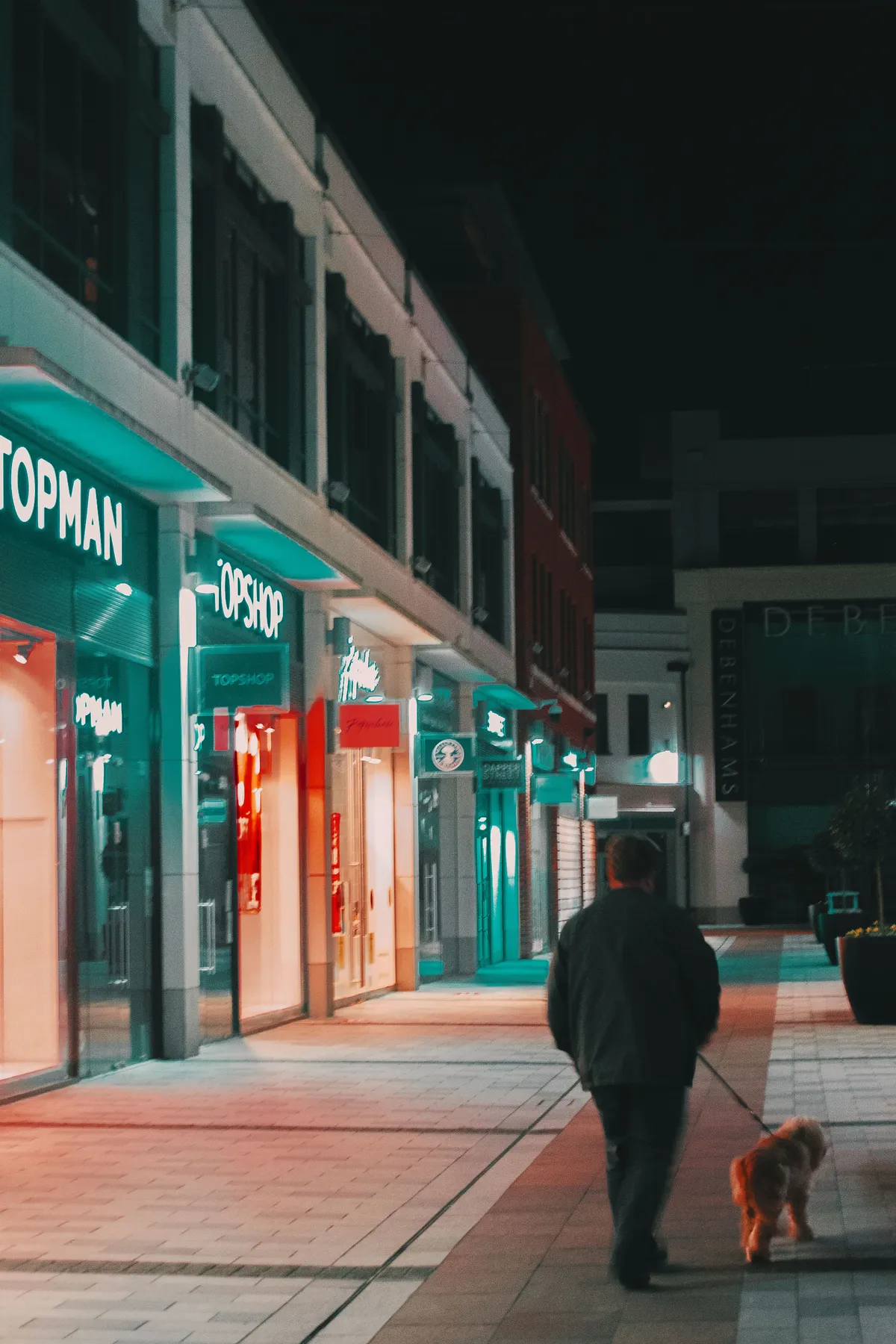
As daylight shortens, many dog owners face the challenge of walking their pets during darker hours. These conditions call for thoughtful preparation, emphasising visibility and responsible lead use. This guide offers a practical kit checklist grounded in expert guidance for dark-evening dog walks—so you can make informed decisions about what to bring, without assuming any product will prevent accidents.
Assessing Walk Timing and Lighting
When planning your walk, consider whether daytime hours are available. Expert sources recommend choosing daylight when practical, as visibility is naturally higher and risks are often lower. If walking after dark cannot be avoided, a reliable torch is a simple addition for both navigation and letting others see you more clearly. You can choose between a handheld torch, a headlamp for hands-free lighting, or even attachable lights for your dog's collar. What works will depend on your preferred routine and the specific routes you take.
Checklist for High-Visibility Gear
Visibility is crucial on dark streets or paths. Reflective leads and collars, or high-visibility dog coats, are specifically mentioned by animal welfare organisations as options to help your dog stand out to motorists, other walkers, and cyclists. Think about the current lead or harness you use and whether a reflective model would be more visible. Do you already have reflective accessories at home, or is an upgrade needed for evening strolls? Keep a list of available items—collars, bandanas, or outerwear—with reflective details, to decide what best suits your dog’s coat length and walking environment.
Lead Control and Route Planning
After dusk, keeping your dog on a lead is advised for both their safety and your control, especially near roads or water. Review your usual walking routes: are any sections poorly lit, close to frozen ponds, or busier than usual with traffic? For these areas, a short, secure lead may help you maintain closer control. Check that your current lead is in good condition and assess whether a different length, grip style, or attachment feels safer for you in the dark. Collaborate with household members about route preferences, lead storage, and nightly routines to ensure consistency.
Coat and Paw Care for Cold Conditions
Dogs can vary widely in their tolerance of cold. Some might benefit from a well-fitting coat, especially if they have thinner fur or are older. Think about your own dog’s breed, age, and health when deciding whether to use a coat. After snowy or icy walks, check your dog’s paws for grit and salt to help maintain paw comfort—keeping a towel or wipes by the door can streamline this process. Designate a small basket near the entryway for storing coats, reflective wear, and cleaning supplies for easier access during winter walks.
Basic Preparation Checklist
Building a custom checklist makes walks smoother. Key items for dark evenings may include: - Charged torch or headlamp - Reflective lead, harness, or collar - Coat or dog jumper (if preferred for your pet) - Towel or paw wipes - Poo bags and any necessary phone/keys - A treat pouch (optional, for rewards) Compare available space in your hallway or porch for storing these grab-and-go essentials. Some households prefer assigning a basket by the door or keeping a printed checklist.
Adapt Walks to Individual Needs
Not all dogs require the same gear or routines in winter. Animal welfare groups emphasise adapting your plans based on your individual pet’s reactions to cold, darkness, and footpaths. Regularly check your dog’s comfort level after each walk: Are they shivering, hesitant, or eager? Involve all household members in reviewing this checklist and pet observations together, so you can update or streamline your walking routine as evenings get darker.
Indoor Alternatives for Shorter Walks
On very dark or treacherous evenings, you might opt for shorter outdoor walks and supplement with indoor activities such as interactive toys or food puzzles. Making a list of potential games or puzzle feeders you own can help you rotate activities and keep evening routines varied. Plan a designated play zone or agree on which toys to leave out for shared play between walks—this flexibility may come in handy on unpredictable winter nights.
Keeping Your Kit Organised
Organisation plays a key role in ensuring smooth dark-evening walks. Some households find it practical to store all walking gear—like torches, reflective accessories, leads, poo bags, and paw wipes—together near the main exit. You might use a small storage basket, a series of hooks, or shelves, depending on your space. Keeping a checklist nearby can make it easier for all household members to track what is packed before heading out. Assess how much space you have and consider whether you prefer a fixed station or a portable bag. Including children or other household members in the setup process can help everyone know where things belong and share responsibility for preparation.
Questions & answers
Should I always use a reflective lead on dark walks?
Animal welfare organisations recommend using visible leads or clothing to help you and your dog stand out on dark walks, but the choice of gear can depend on your existing equipment and typical walking routes.
Do all dogs need a coat for winter walks?
Not necessarily—some dogs with thin fur or particular health needs may benefit from a coat, while others may be comfortable without. Observe your pet and adapt your routine to their individual tolerances.
Can any kit item guarantee accident prevention?
No product or preparation can promise to prevent all accidents when walking at night. Responsible planning and thoughtful choice of gear can help increase your visibility and control.
What is the best way to store dog-walking kit by the door?
Options include a designated basket, hooks, or a checklist kept near the entryway to help everyone in the household keep walks organised and supplies easy to find.
Related on FetchBoy
Sources
Ad · We may earn a commission from these links, at no extra cost to you. Product types and features are buying guidance; check the retailer’s listing for details.