
dogs
Choosing a Dog Lead for Everyday Walks: Length, Clip and Handling Checks
Discover how to pick a dog lead for daily UK walks, focusing on length, clip security, and comfortable handling.
Published 20 November 2026
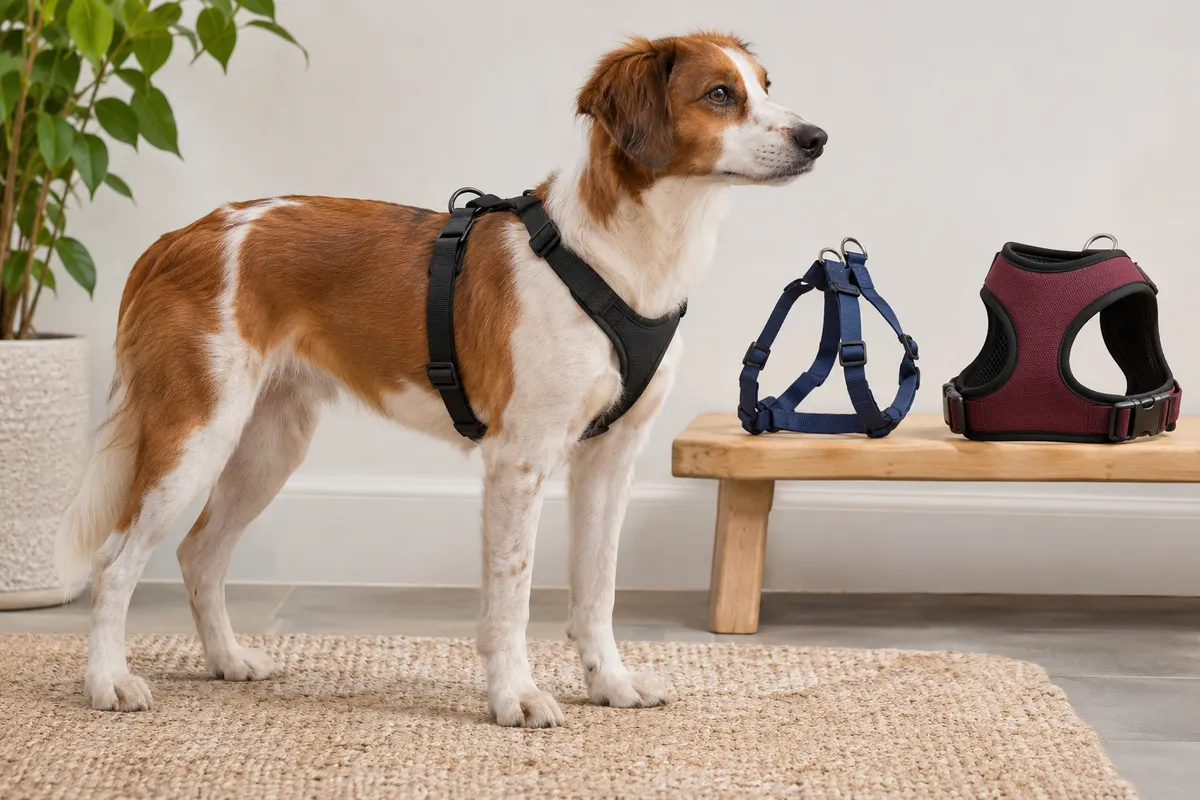
Selecting the right dog lead for everyday walks is an important step for UK owners aiming to make outings safer and more comfortable for both dog and handler. With varied options in length, clip mechanism, and design, navigating what’s genuinely better for daily strolls can seem daunting. This guide highlights practical considerations recommended by leading UK animal charities, giving focus to ease, safety, and what to check rather than suggesting a universal solution. You’ll also find optional tips on factoring in household preferences and routines, so you can decide what lead features match your needs, your dog’s size and strength, and your walking habits.
Understanding the Importance of the Right Everyday Lead
Choosing a well-suited lead helps provide safer, more enjoyable outings for you and your dog. Leading animal charities stress that a key part of walk safety is selecting a lead that fits your specific situation—not just defaulting to whatever’s available. Factors such as your dog’s size, temperament, and the typical environment you walk in all influence the best choice. For instance, a larger or stronger dog may require a sturdier, more robust lead, while a smaller breed may do better with a lighter option. Checking the condition of the lead before each walk is also essential; regular inspection for frays or wear helps ensure ongoing reliability. While picking a suitable lead won’t guarantee perfect manners or control, it plays a vital role in providing basic safety and comfort during daily walks.
Lead Length: What to Consider For Everyday Walks
Lead length can significantly impact how easy and safe your daily walks are. Short leads (around 1 metre) offer more control in busy areas or near traffic, while longer leads (up to 2 metres) can give more freedom during relaxed strolls in quiet parks. The right length ultimately depends on your own comfort, your dog's behaviour, and where you usually walk. When deciding, think about whether your regular route requires keeping your dog close or allows for a little more roaming. Try holding leads of different lengths at home to see which feels comfortable for your arm’s reach, especially if multiple household members will be walking the dog. Some owners prefer keeping two or more lead lengths on hand, so you can adapt to different situations as needed.
Dog Size and Strength: Matching Lead Strength and Security
Your dog’s size and strength are crucial considerations when choosing a lead. Stronger or larger dogs often need stronger, wider leads and heavy-duty clip mechanisms to ensure the lead won’t snap or come loose. In contrast, leads designed for smaller breeds usually focus on being lightweight, so they don’t weigh the dog down or cause discomfort. Before every use, check that the stitching and materials seem robust enough for your particular dog. If you have multiple dogs with different needs, you might keep leads sorted by dog or size in a dedicated basket or hook near the door to make the right one easy to grab. In households with children or multiple adults, a checklist of which lead fits which dog can help avoid a mismatch.
Choosing the Right Clip Mechanism
The clip, or fastening, holds your lead to your dog’s collar or harness, so its security is key. Securely fastened leads are highly recommended by animal charities, as an unreliable or weak clip increases risk on a walk. Common clip types include trigger hooks and bolt snaps. When choosing, focus on clips that feel sturdy and are easy for you to operate but not prone to accidental release. Try opening and closing different clip styles at the shop, especially if you’ll be unclipping with gloves or cold fingers. If you own several leads, periodically check for bends, rust, or any signs of compromised springs. Consider adding a reminder spot near your dog gear to check clip action regularly—especially if household members swap leads frequently.
Comfortable Lead Handling for Owners
Comfort isn’t just for your dog—a lead that’s uncomfortable to hold can make daily walks less enjoyable. Look for handles that fit well in your hand and provide enough padding or grip for the weather, especially in rain or cold. Animal welfare guidance points out that a comfortable, easy-to-hold lead also makes it easier to stay in control. If you share walking duties, it may help to have everyone in your home try holding the lead before buying. Assess the thickness and softness and see if the handle causes any pinching or strain. Storing your go-to lead in a basket or on a wall hook near the exit may encourage you to quickly inspect and choose the most comfortable option before heading out.
Routine Safety Checks and Maintenance
Even the best lead requires regular checks to remain safe. Before every walk, inspect the lead for fraying, loose stitching, or damaged clips. Leading animal charities recommend checking for wear before use to reduce the risk of failure mid-walk. Consider setting up a routine where you hang leads in a well-lit area, so issues are easy to spot. Creating a calendar reminder once a month to do a more thorough inspection could help, especially in busy households. If you notice damage, set the lead aside in a separate spot to avoid accidental use, and add it to a replacement shopping list. Keeping receipts and a list of each lead’s purchase date can help track how long you’ve used each one, aiding future buying decisions.
Where and How Will You Use the Lead?
Think about your regular routes and activities when deciding which everyday lead features to prioritise. Do you often walk where dogs must stay close, like city pavements, or can you sometimes allow extra room in local woods or parks? If your household takes turns walking the dog, discuss which environments each person will encounter. You could keep a notes sheet near the door, listing circumstances where different lengths or clip types might be more suitable (e.g., a sturdy clip for busy/urban days; a lighter one for gentle park walks). If storage is tight, assess whether one versatile lead can suffice, or whether rotating a couple of different types based on your weekly plans works best for your household.
Storing and Organising Leads at Home
Organisation at home can simplify your daily dog-walking routine. Decide if leads should be kept in a basket by the main door, on separate wall hooks, or in a drawer with other dog gear. Storing leads in a visible, easily accessed place may help remind everyone to check them before use. If your household has several leads for different situations, consider colour-coding the handles or attaching simple tags to indicate intended use (such as 'park' or 'town'). Recording which lead belongs to which dog or activity on a family checklist can also avoid confusion during busy mornings. In multi-dog homes, each animal might have a dedicated lead spot to minimise mix-ups.
Related reading
Questions & answers
Why does lead length matter for everyday walks?
Lead length affects control and comfort, with shorter leads suiting busy spaces and longer leads better for open walks.
How often should I check my dog's lead for safety?
Animal charities recommend inspecting leads for wear and secure fastening before every walk.
What makes a dog lead comfortable for owners?
Comfortable handles, suitable padding, and good grip are key to making daily walks more enjoyable for handlers.
Sources
Ad · We may earn a commission from these links, at no extra cost to you. Product types and features are buying guidance; check the retailer’s listing for details.