
cats
Choosing a Cat Feeder for Wet Food: Timing, Hygiene and Model Compatibility
Find out how to pick a wet food cat feeder with the right features, verified compatibility, and hygiene steps for UK homes.
Published 28 November 2026
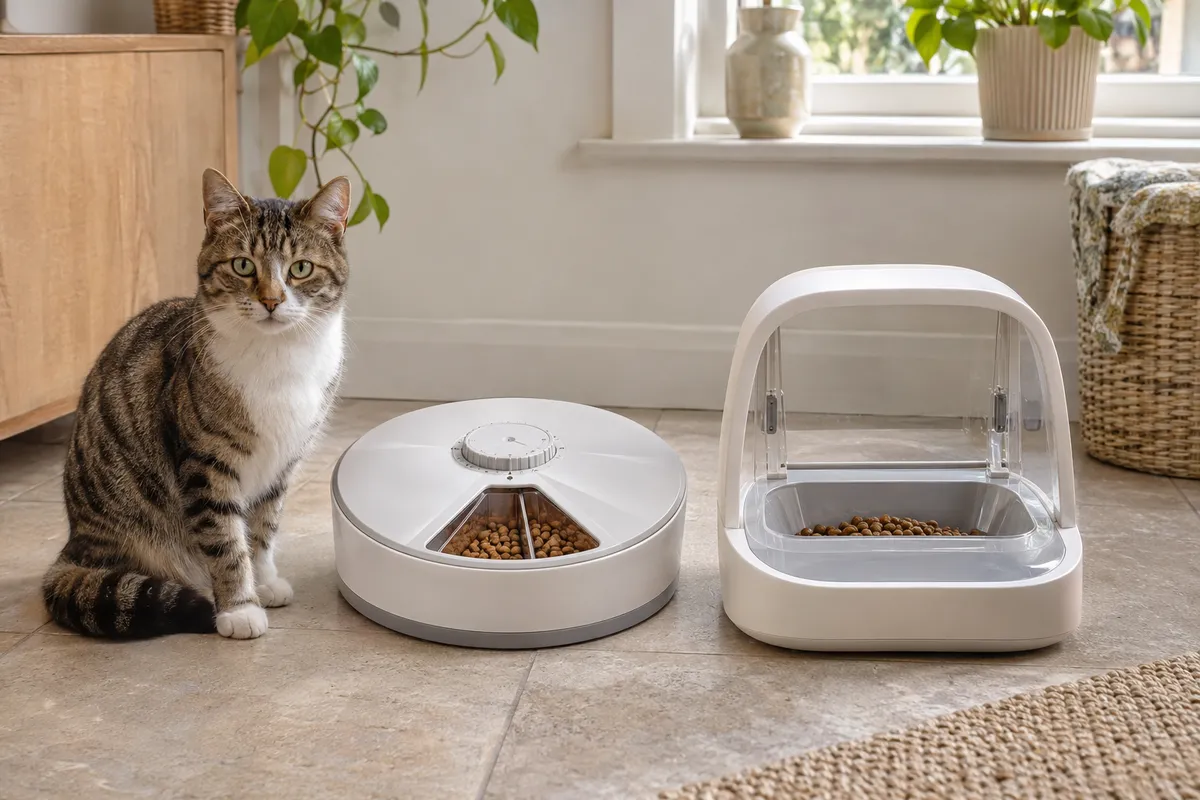
Selecting an automatic cat feeder for wet food involves more than simply picking what looks appealing. UK cat owners must consider verified model compatibility, as not all feeders on the market can safely handle wet food. Improper selection can lead to hygiene risks if a feeder isn't cleaned regularly, especially since wet food is prone to spoiling. Guidance from leading charities highlights both the need for carefully checking product specifications and for establishing robust cleaning practices. This guide explores these factors in detail alongside practical ways to manage feeding times, helping owners make informed decisions tailored to their household setup. Whether you live in a busy multi-cat home or a quiet flat, understanding timing, hygiene, and compatibility is essential for your pet’s health and your own peace of mind.
Checking Model Compatibility with Wet Food
Many automatic cat feeders are designed with only dry food in mind, and using the wrong type could result in jams, improper sealing, or ineffective portioning. Before purchasing, owners should always verify the manufacturer's compatibility guidance. If browsing online or in-store, it's worth checking product labels and descriptions for explicit statements supporting wet food use. Some mechanisms designed solely for kibble may leave wet food exposed, potentially accelerating spoilage. Asking questions such as 'Is this feeder tested for wet food?' or 'Does the manufacturer describe maintenance with wet contents?' can help avoid disappointment and prevent hygiene issues in the home. This approach can also ensure easier routines for future food management.
Why Wet Food Compatibility Matters
Feeding wet food from an incompatible feeder could lead to more than just a mechanical headache. Wet food spoils much faster when left exposed, and unsuitable dispensers may not seal or refrigerate servings as required. This not only affects freshness but can present a hygiene risk if spoiled food is consumed. Some feeders, according to animal welfare advice, are only designed for dry food and cannot maintain the safety or palatability of wet food. Always scrutinise product information for explicit wet food recommendations. Consider planning a shortlist of suitable models based on intended wet food use to help narrow your search and avoid returns.
Cleaning Routines for Wet Food Feeders
Bacteria can build up quickly in pet feeders that are not cleaned on a regular basis, and this is a particular concern with wet food. Cat owners should commit to washing all parts according to the feeder’s instructions—ideally rinsing and drying containers and moving parts after every use or meal. Neglected cleaning routines could result in unhygienic conditions and potential illness. To stay organised, some people might maintain a written cleaning schedule, or keep spare feeder trays on hand to allow for daily swaps and dishwasher cycles. Consider who in your household is responsible for the cleaning schedule, and review instructions for disassembly and washing before you buy.
Feeding Times and Portion Management
Automated feeding enables owners to schedule exact meal times, which can be especially helpful for busy families or those away during the workday. Before buying, explore feeder models for their programmable features: Can it offer multiple meals per day? Is there an insulated compartment or ice pack for wet food? Consider if your cat’s usual feeding routine is compatible with a feeder’s scheduling options. Check the portion sizes supported by each model and whether these match your cat's needs. You might find it helpful to list out typical feeding times and portions and compare them to the feeder’s specifications before purchase.
Avoiding Common Mistakes in Feeder Selection
One of the most frequent errors is assuming any automatic feeder will work for wet food. Not all models are equipped to handle moisture, sealing, or the cleaning demands of non-dry contents. Always cross-check the product documentation: Does it mention wet food explicitly? Are replacement parts readily available for the feeding mechanism, or is the design difficult to disassemble? Optional steps include keeping receipts and product manuals handy for future reference and maintenance. Involving all family members in the initial product research can also ensure the whole household is aware of operational limits and hygiene routines.
Location and Setup Considerations
Where you place your wet food feeder can affect both hygiene and convenience. Think about areas that are easy to clean and away from direct sunlight, which can accelerate food spoilage. Some owners choose a spot close to a sink for easier tray washing, while others might prefer a quieter corner to minimise disturbance during meal times. Check that the feeder fits comfortably without obstructing walkways or other pet areas. It may help to measure available floor space before purchasing, and try placing a temporary container in that location to visualise fit and access.
Multi-Cat Homes and Feeding Management
Households with more than one cat face additional logistics. If cats need separate diets or feeding times, it may be necessary to use multiple feeders. When comparing models, check whether their food compartments prevent access from other pets and if their timers can be independently set. Optional planning tasks include keeping a list of each cat’s dietary needs and preferred feeding locations. You may also wish to budget for extra feeder purchases or assess if your household has enough space for more than one device. It can be helpful to involve other household members when planning feeder placement and cleaning responsibilities.
Checklist for Final Purchase Decision
Before you commit to any model, go through a decision checklist. 1) Is the feeder explicitly compatible with wet food? 2) Can you easily disassemble and clean all parts? 3) Does the schedule fit your cat’s meal times? 4) Can the feeder handle the portion sizes your vet or feeding guide recommends? 5) Are there spare trays or accessories for managing cleaning? 6) Is the device manageable for all family members who may need to operate or wash it? Completing this checklist can help avoid inconvenience and potential returns. Saving your shortlist and product information digitally or in a dedicated folder may also aid future maintenance and troubleshooting.
Related reading
Questions & answers
Can I use any automatic cat feeder with wet food?
No. Some models are only suitable for dry food. Always check the manufacturer's guidance for wet food compatibility.
How often should I clean a wet food feeder?
Feeders for wet food should be cleaned regularly, ideally after each use, to prevent bacteria build-up and illness.
What features help with wet food storage and serving?
Look for secure, sealed compartments, easy disassembly for cleaning, and ice packs or insulation to slow spoilage.
What should I consider in a multi-cat home?
You may need separate feeders with configurable timers and consider each cat’s dietary needs and locations for feeding.
How can I keep track of feeder maintenance?
Optional approaches include keeping a written cleaning schedule, digital checklists, or assigning responsibility among household members.
Sources
Ad · We may earn a commission from these links, at no extra cost to you. Product types and features are buying guidance; check the retailer’s listing for details.