
dogs
Choosing Safe Fetch Toys for Dogs: Avoiding Sticks and Selecting the Right Size
Learn how to choose safe fetch toys for dogs, why to avoid sticks, plus tips on supervision, size, and checking for wear.
Published 14 November 2026
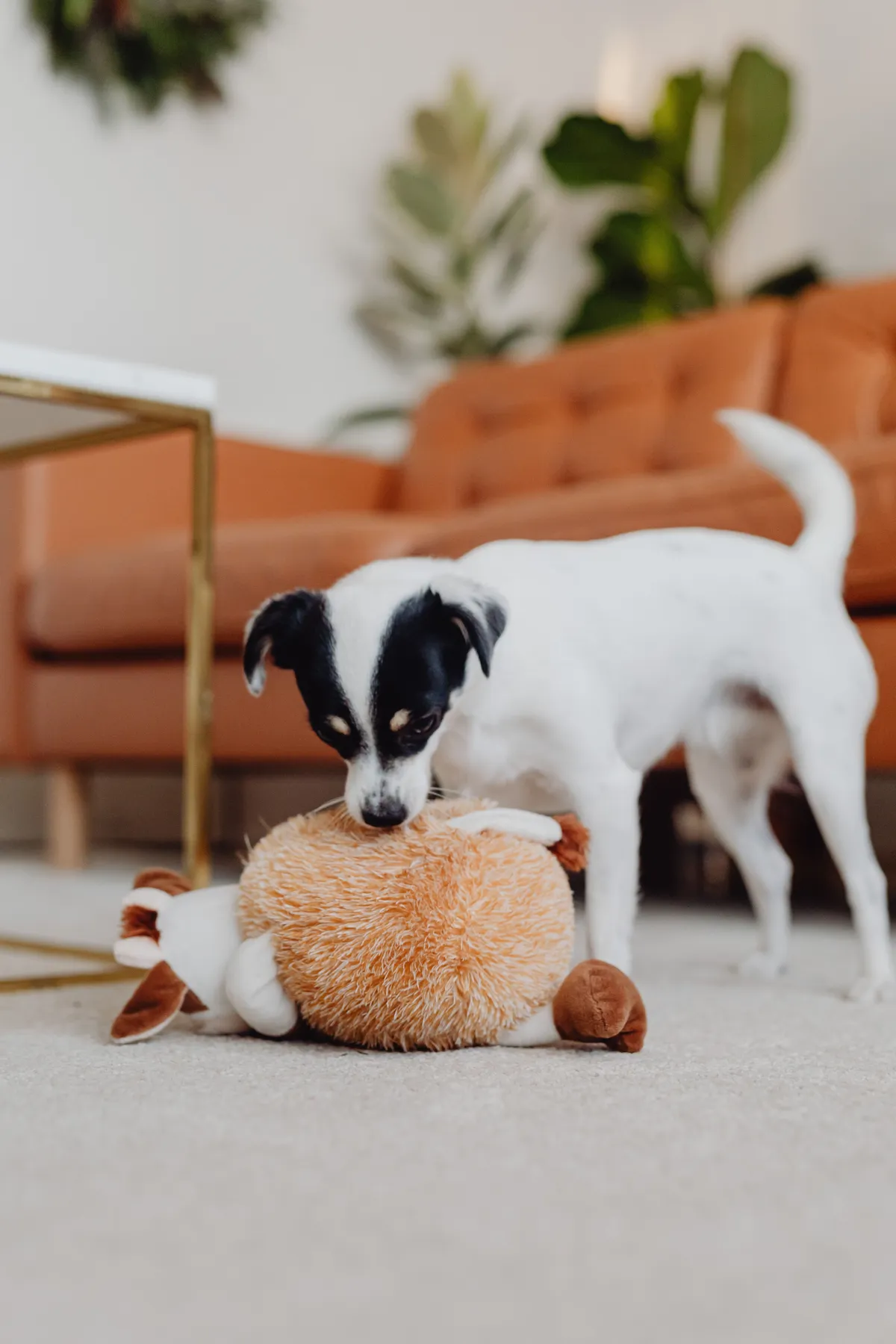
Selecting fetch toys for your dog may seem simple, but making the right choices can help avoid preventable injuries and ensure play remains enjoyable for everyone. Although sticks are a common sight at parks and along trails, they are not safe fetch items due to their risks. Instead, opting for dog-specific toys designed for interactive play, with the right size and durable material, increases the safety and longevity of your pet’s playthings. This guide will outline the reasons why sticks are best avoided, review the most appropriate materials for fetch toys, provide size and supervision tips, and offer practical suggestions for monitoring toy condition and organisation. While some owners may gravitate toward convenient options, investing time to select, store, and monitor the right fetch toys will help make playtime safer and more manageable.
Understanding Why Sticks Are Dangerous
Even though picking up a stick for a game of fetch is a familiar tradition, this practice can pose significant dangers for dogs. Sticks commonly found outdoors can splinter when bitten, potentially injuring your dog's mouth, gums, or even the digestive tract if ingested. Such injuries—ranging from painful cuts and abscesses to severe internal complications—may need veterinary treatment. Beyond splintering, sharp edges or pointed branches can puncture the mouth or throat during play or retrieval. Some dogs may also chew up and swallow pieces, compounding the risk. Because of these known dangers, many veterinary organisations and canine charities recommend against using sticks and encourage adopting specifically designed dog fetch toys instead. The risks posed by sticks are preventable by simply choosing purpose-built toys made to withstand chewing and rough handling. Awareness of these injury risks helps owners make safer decisions and avoid unnecessary visits to the vet.
Benefits of Using Dog-Specific Fetch Toys
Dog-specific fetch toys are expressly created to be safer for interactive play than random found objects like sticks. These toys are typically made of robust rubber or high-grade plastic that resists splintering and breaking under pressure. Their design accommodates the typical chewing, tugging, and retrieving behaviour of most breeds, offering a play experience that is both engaging and less likely to cause harm. In addition to withstanding repeated throws and bites, well-made dog toys tend to have rounded or smoothed edges to avoid injury inside the mouth. Many come in various shapes—balls, rings, or bone-like toys—which can be matched to your dog's fetching preferences. Offering a selection of textures also helps maintain a dog's interest and provides an added sensory element to play. Owners who choose dedicated fetch toys rather than sticks benefit from products explicitly tested for safety and durability, reducing the risk of avoidable accidents.
Selecting the Right Size and Texture
Choosing the right size fetch toy for your dog is a key step in safe play. A toy that is too small can be accidentally swallowed or present a choking hazard, while one that is too large may be uncomfortable to carry. Owners are encouraged to look for toys that your dog can easily pick up in their mouth, but which cannot fit entirely inside. You may want to consider your dog's breed and age, as well as individual differences—for example, smaller mouths need correspondingly sized toys, whereas bigger breeds need larger, sturdier options. Texture matters as well: some dogs prefer smooth surfaces, others gravitate to knobbly or grooved items. If you are uncertain, consider offering a supervised variety to see which your dog naturally prefers while monitoring their interaction for safety. Having several options at home means a more appropriate toy is always available for different occasions or play moods.
Supervision: A Critical Part of Safe Fetch Games
Supervising your dog's fetch play is a primary safety measure. Active supervision allows you to observe how your dog interacts with a toy, watch for signs of wear, and stop play if a toy becomes unsafe. This also lets you notice quickly if your dog is chewing off pieces, attempting to swallow fragments, or if a thrown toy lands in an unsafe location. Supervision should be consistent, whether your dog is playing in the back garden, local park, or indoors. Being present during play doesn't just support safety—it can also help you assess which toys your pet engages with most and observe any changes in play style that might warrant adjusting your toy selection or introduction of new alternatives. This approach is recommended by many pet welfare groups, ensuring play sessions don't present unforeseen risks from unsuitable or damaged toys.
Checking Toys for Wear and Tear Before and After Play
Damaged toys can be just as dangerous as sticks, making routine inspection vital. Before and after each play session, examine fetch toys for cracks, loose parts, sharp edges, or excessive wear. Even high-quality toys wear down with regular use, and certain aggressive chewers may accelerate this process. If a toy's shape has changed, parts are missing, or the surface is roughened, it is time to stop using it. Owners could choose to set aside a regular time each week or after heavy play to examine fetch toys and remove any that are unsafe. Keeping a small storage box for toys-in-question (those that need review before the next session) may help avoid accidents. This practice ensures that your dog only has access to toys in safe condition, since even the best-designed products must eventually be replaced.
Organising Fetch Toys and Creating a Household System
Managing your dog's collection of fetch toys can help owners stay organized and make toy checks easier. Some households opt to store toys in a dedicated container, basket, or drawer, grouping them by size, type, or appropriate environment (outdoor/indoor). This approach can simplify the process of finding the right toy for each outing and track which toys have been recently used. If you wish, listing owned fetch toys or noting purchase dates may assist in remembering when replacement could be due. Deciding a consistent storage spot, such as near the back door or in your dog walking bag, can help ensure that safe toys are easily accessible for outings. Including all household members in deciding where to store or replace toys can make it simpler to keep play safe and fun for everyone involved. Asking yourself questions—such as which toys are best for specific locations, or who is responsible for checks—can help keep your routine practical and effective.
Transitioning from Sticks to Safe Fetch Toys
For dogs who are in the habit of fetching sticks, transitioning to safer alternatives may take several sessions. Introducing a new rubber or plastic toy on walks, and making it readily available before your dog seeks out a stick, can encourage positive change. You could compare different toys together with your dog, seeing which ones they naturally show more interest in. Discussing with household members or guests about the importance of not throwing sticks, and suggesting alternatives such as a durable ball or ring, creates a unified approach. If you notice your dog consistently choosing sticks despite other options, you might want to change the route or choose environments with fewer sticks. Consider keeping your preferred fetch toys in a set spot, so you remember to bring a safe option each time you leave the house.
Selecting Toys for Different Play Preferences and Environments
Dogs vary widely in how they prefer to play fetch. Some relish leaping after high-bouncing balls, while others may prefer chasing longer-throw flying discs or retrieving items from water. When shopping, consider your dog’s physical build and play interests. A heavier, rubber ball may best suit strong retrievers in open spaces where distance throws are practical, whereas lighter toys or soft discs may be more appropriate for smaller or less energetic breeds in small gardens. Think about the typical play environment—smooth grassy park, gravel, or water—and choose accordingly. It may help to review what toys are used most frequently in your household and rotate them to suit different weather or outings. Revisiting your choices regularly based on your dog’s changing interests or age ensures continued safe engagement.
Retiring and Replacing Old Fetch Toys
Knowing when to retire a well-loved fetch toy is a vital part of keeping play sessions safe. Deep cracks, loose fragments, or a sharp edge are always reasons to remove a toy from circulation. To make this process easier, some owners keep a checklist of all fetch toys and review them at intervals—such as at the start of each month. You might choose to note down the purchase or first-use date, making it straightforward to track a toy’s age. Consider keeping receipts or marking labels to help with this, but these steps are entirely optional and intended for personal organisation. Sharing decisions about which toys to retire among household members can help prevent confusion or a damaged item being mistakenly returned to use. Replacing toys little and often, rather than all at once, can also keep costs manageable and maintain your dog's interest. Most importantly, prompt removal of toys showing clear wear ensures that only safe, intact toys are available for your pet's playtime.
Related reading
Questions & answers
Why are sticks unsafe for dogs to fetch?
Sticks can splinter, causing injuries to your dog's mouth, throat, or digestive tract. Safe alternatives include dedicated dog toys made from rubber or plastic.
How can I tell if a fetch toy is the right size for my dog?
Choose a toy large enough to prevent accidental swallowing or choking, but not so large that your dog can’t comfortably carry or retrieve it.
How often should I check my dog’s fetch toys for damage?
It’s a good idea to inspect toys before and after play sessions, and to schedule regular checks—such as weekly or after heavy use—to make sure they’re still safe.
What materials are safest for fetch toys?
Durable rubber or sturdy plastic toys are recommended alternatives to sticks, as they are specifically designed for safe interactive play.
Sources
Ad · We may earn a commission from these links, at no extra cost to you. Product types and features are buying guidance; check the retailer’s listing for details.