
cats
Where to put a cat scratcher in a small home
A practical guide for placing a cat scratcher in limited space, focusing on observation and adaptable home organisation.
Published 18 October 2026
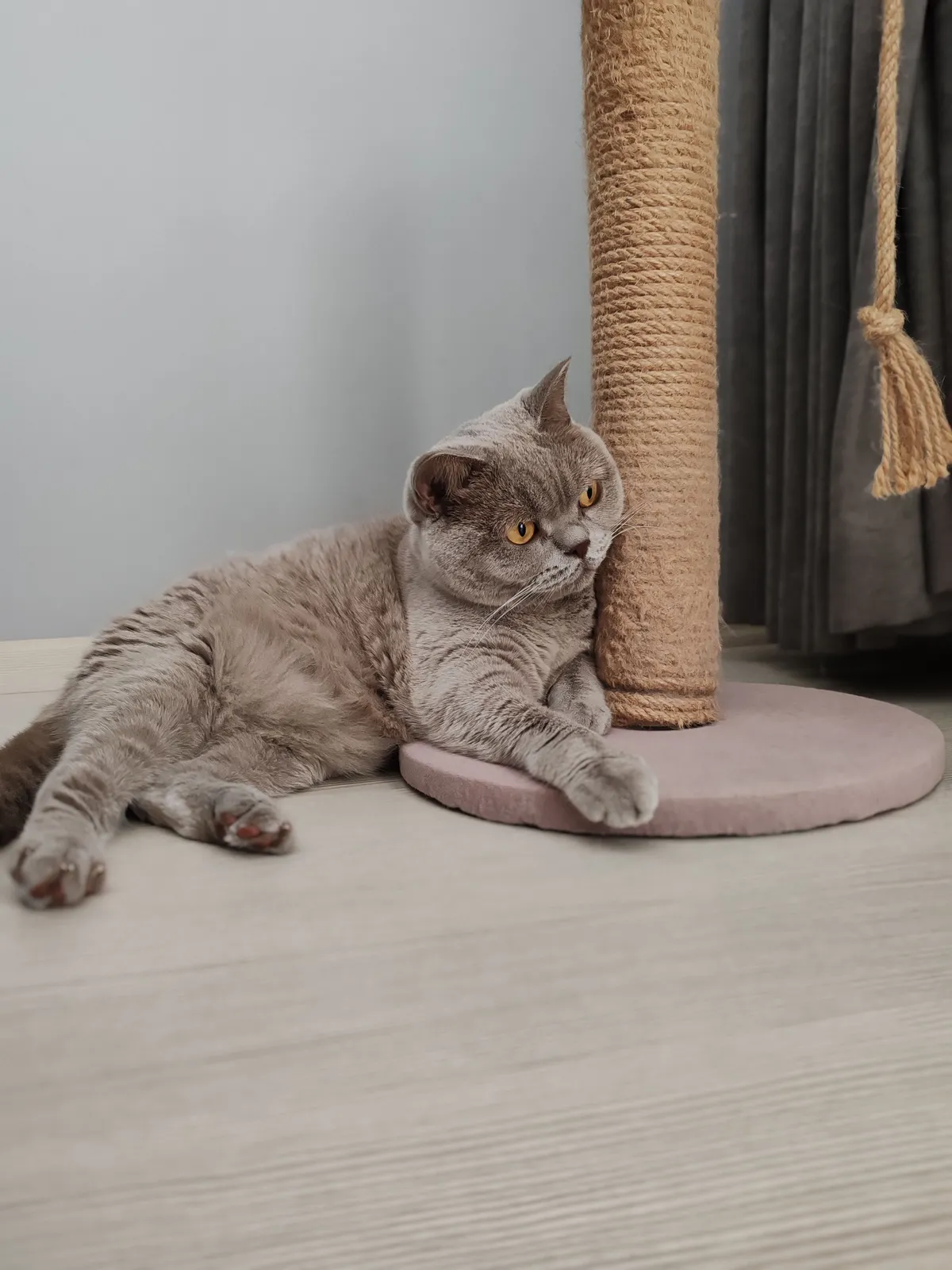
Scratching is part of natural cat behaviour, but in a small home, fitting a scratching outlet into your living space can feel like a balancing act. Unlike generic lists, this guide addresses how to choose the right location for your cat scratcher by carefully observing your cat and considering your compact environment. We’ll discuss what to look for, how to involve household members, and practical ways to keep both your furniture and your pet’s needs in harmony. The emphasis is on practical decisions for real homes, making the best of whatever space you have.
Why cats need to scratch
Scratching is an essential behaviour for all cats, not just a destructive habit. It helps them maintain healthy claws, stretch their bodies, and mark territory. For indoor cats especially, providing suitable outlets to scratch is important as they lack access to trees or outdoor surfaces. In a small home, this means prioritising space for a scratching post or pad, even if furniture is limited. It’s not just about protecting belongings—it supports your cat’s natural instincts and wellbeing. Finding this balance can be challenging but starts with understanding that your cat needs a proper place to scratch.
What to observe before placing a scratcher
Begin by noting where your cat naturally scratches, stretches, or sharpens their claws. Look for tell-tale marks on furniture, carpet, or even doors. Cats frequently return to the same spots, especially near entryways, resting areas, or places with family scents. Observe your cat’s daily routes and favourite sleeping places. These often overlap with areas where they’d choose to scratch. If your cat seems interested in a particular sofa corner or rug, that might be a good spot to introduce a scratcher—replacing a target rather than simply adding another object to your room.
Space-saving types of scratchers
Space is a premium commodity in many homes. Consider compact vertical posts if your cat likes to reach up, or flat horizontal pads for those who scratch along the floor. Some scratchers can be attached to walls, saving valuable floor area. Multi-purpose furniture—like ottomans or shelves with scratching surfaces—can also serve double duty. Whatever the type, stability is crucial; a wobbly or easily toppled scratcher is unlikely to become your cat’s favourite. You may want to evaluate your current layout: are there corners or unused wall sections that could accommodate a wall-mounted scratcher without crowding the space?
Choosing the ideal location
The most effective place for a scratcher is often where your cat already scratches or close to a favourite resting area. Positioning a post near these high-interest spots can encourage use without pressing the scratcher into a rarely used corner. For smaller homes, think about corners by sofas, beds, or windowsills. Entryways into rooms—where cats like to make a statement or stretch after waking—are also worth considering. Try to avoid placing the scratcher in a way that blocks human movement, but prioritise convenience for the cat. You may want to gently rearrange existing furniture to free up an ideal patch of floor or wall.
Planning placement around your small space
Once you’ve observed your cat’s behaviours, make a checklist of potential scratcher locations and evaluate each for practicality. Can you clear space in a favourite spot by reorganising a pile, moving a lamp, or tucking a scratcher alongside a chair? If multiple scratcher types are already owned, ask whether one could be relocated to a more cat-preferred place. Involve other household members in the decision—what seems hidden or awkward to one person may be ideal from the cat’s perspective. Consider corners, the end of a hallway, or the space behind a door that’s often ajar. It can help to compare different locations over a few days to see what works.
How to encourage use without clutter
After placing a scratcher, praise your cat when they use it to reinforce the desired behaviour. Keeping the scratcher accessible but free from surrounding clutter can make it more attractive to your cat. If floor space is very limited, look for scratchers that can be attached to furniture legs, walls, or doors. Avoid squeezing the scratcher between storage bins or decorative items, as this can deter use. Try a brief trial in one area before committing—if your cat ignores the post, move it closer to their usual sleeping or scratching zone. Clear communication among household members helps prevent the scratcher from becoming an obstacle or afterthought.
Balancing cat needs with household organisation
Live in a flat or small house with multiple residents or lots of belongings? Consider creating designated cat zones for beds, blankets, toys and scratchers. Would adding a small basket nearby help contain stray toys? Is current furniture blocking your chosen scratcher spot? Evaluate whether other items can be moved or stored differently to prioritise scratcher access without making the area look cluttered. Include everyone in the process—sometimes, slight shifts in daily habits or storage routines free up just enough space for the cat to use their scratcher comfortably.
Adapting as needs change
Cats’ preferences may change over time, especially following moves or home reorganisations. Every so often, reacquaint yourself with your cat’s scratching patterns and check whether your original placement still fits their routine. Keep a list for reference—locations tried, what worked, and what didn’t—so you can adapt quickly without repeating trial and error. If you move a scratcher and your cat stops using it, review recent observations and household changes, and adjust as needed. Flexibility is useful in keeping both cat and household content in limited living space.
Questions & answers
What if my cat ignores the new scratcher in its location?
Observe if the scratcher matches your cat’s preferred texture and orientation (vertical or horizontal). Try moving it closer to their favourite resting or scratching spot, and praise your cat when they use it.
Can I use more than one scratcher in a small home?
It’s possible to use more than one scratcher—if space allows, place them in different high-traffic or favourite resting areas. Smaller or wall-mounted designs help conserve space.
Related on FetchBoy
Sources
Ad · We may earn a commission from these links, at no extra cost to you. Product types and features are buying guidance; check the retailer’s listing for details.