
cats
Plan separate rest and play zones for an indoor cat
Create distinct rest and play areas for your indoor cat. Support their natural behaviours and offer choices for comfort and fun.
Published 18 October 2026
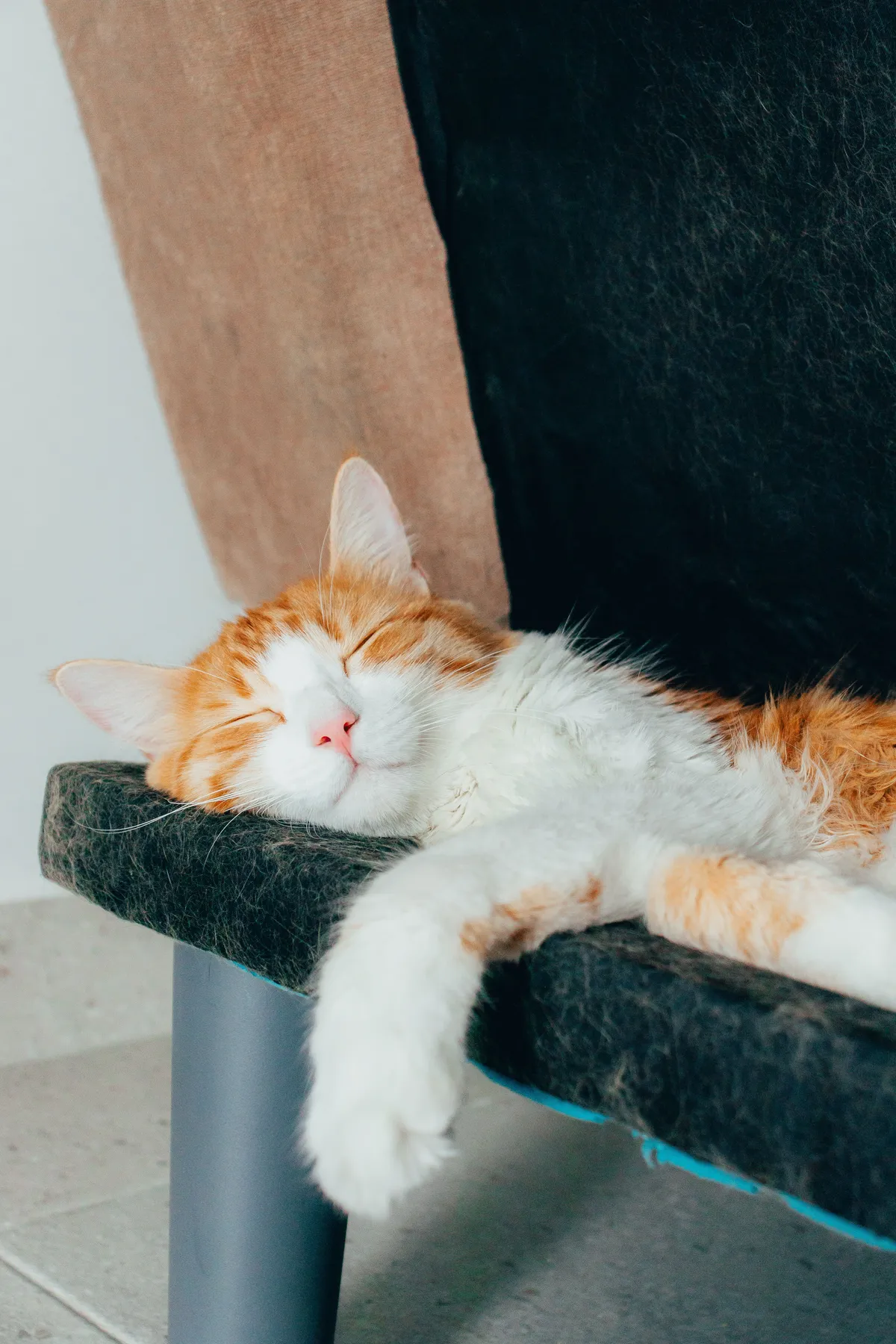
When arranging your home for an indoor cat, separating rest and play zones can help meet their instinctive needs and allow the individual cat to choose where to relax or be active. Every cat has personal preferences for where to sleep, play, or scratch. Planning your space with their habits in mind is not just about convenience, but can also encourage natural behaviours. Here’s how you can thoughtfully allocate rest and play areas to support your cat’s choice and comfort.
Understanding the Individual Cat’s Preferences
Each cat is unique in how and where they like to rest and play. Some prefer cosy, secluded spots for sleeping, while others enjoy being up high or near household activity. Observe where your cat usually naps or stretches and what types of toys or scratching surfaces they seem drawn to. Tailoring your layout around these observations will ensure your cat has options suited to their own habits and choices.
Defining Rest Zones in Your Home
A rest zone should offer solitude and security. Consider placing a dedicated cat bed, soft blanket, or enclosed hideaway in a low-traffic area of your home. Evaluate spots where your cat already naps—perhaps a quiet windowsill, a corner with afternoon sun, or even an elevated shelf. Household members can discuss whether to keep all cat beds in private rooms or to try a mix of secluded and busier locations, comparing available space and furniture arrangements. Keeping a simple list of possible rest areas might help when experimenting with different layouts.
Designing Active Play Spaces
Play zones should provide opportunities for climbing, jumping, chasing, and exploring. Choose an area where a cat can safely run and interact with toys. Introducing cat trees, tunnels, or interactive toys can create a varied environment for active play, especially for indoor cats who benefit from mental and physical stimulation. Rotate the types and locations of toys to observe what your cat uses most, and consider placing some near windows for extra interest.
Offering Varied Scratching Outlets
Scratching is natural for cats, and providing appropriate outlets is essential. Options include a tall, sturdy scratching post—tall enough for a full stretch—as well as horizontal scratching pads for cats who prefer them. Place a scratching post near a favourite resting area or an existing scratching spot—this aligns with advice that cats often scratch after waking up. You can also praise your cat whenever you see them using their designated scratching area.
Locating Rest and Play Zones to Maximise Choice
When deciding where to position different zones, consider your cat’s traffic patterns and favourite routes. Some cats prefer a quieter resting area away from play spaces, while others alternate between the two. If space is limited, can different corners of a single room be visually separated with furniture or rugs to define zones? Family members might list pros and cons of each proposed location, thinking about access to light, warmth, and how close rest areas are to household noise.
Adapting Layouts for Multi-Cat Households
In homes with more than one cat, it’s especially important to provide multiple rest and play zones. Cats Protection advises planning the living space around each individual’s preferences, giving all cats a chance to choose different perches, beds, and scratching surfaces. Try to set up resting places out of each other's line of sight if your cats prefer separation, and keep a checklist of which spots are most popular.
Involving Your Household in the Planning Process
Include all household members in deciding where to put your cat’s rest and play areas. Assign tasks such as listing current cat items, measuring available spaces, or monitoring which spots the cat visits most. Consider creating a simple chart or map that helps track current and possible locations, or take turns observing your cat’s behaviour over a week to inform decisions.
Reviewing and Adjusting Your Layout Over Time
A cat’s preferences can change with the seasons, household changes, or new furniture. Periodically check which rest and play zones your cat uses. If a zone is ignored, try moving it, or offering different options in another spot. You might compare whether your cat prefers higher or lower beds, or rearrange play zones for more space. Adapting the layout over time ensures your home continues to suit your cat’s needs and keeps options open for their individual choices.
Questions & answers
Why separate rest and play zones for my indoor cat?
Distinct areas allow your cat to choose where to nap or engage in active play, reflecting their natural routines.
What makes a good rest zone for a cat?
A rest zone should offer comfort and a sense of security, such as a quiet bed, a private corner, or an elevated perch.
Where should I put scratching posts or pads?
Place appropriate scratching outlets near existing scratching spots or close to your cat’s preferred resting areas.
How do I involve my family in planning cat zones?
Assign tasks like listing owned items, checking available space, and observing the cat’s habits to involve everyone in the process.
Related on FetchBoy
Sources
Ad · We may earn a commission from these links, at no extra cost to you. Product types and features are buying guidance; check the retailer’s listing for details.