
pet-technology
Automatic pet feeders: what is your power-cut plan?
Plan for interruptions, missed dispensing and manual feeding before relying on an automatic feeder for part of the daily routine.
Published 29 November 2026
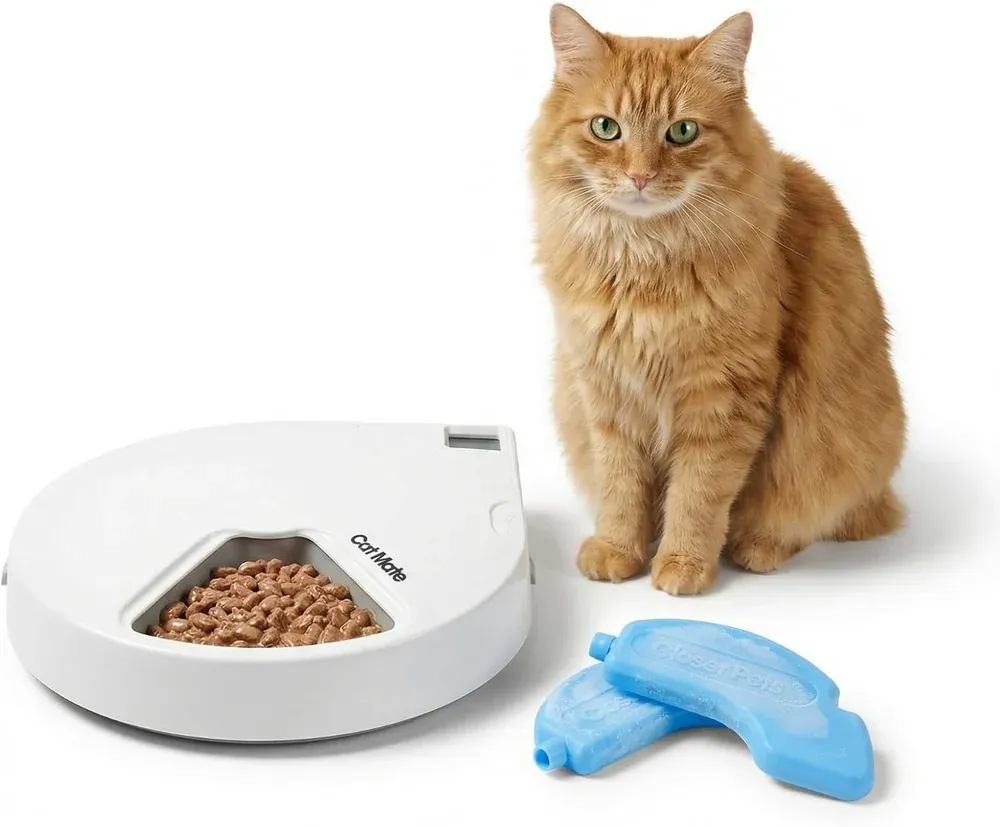
Plan for interruptions, missed dispensing and manual feeding before relying on an automatic feeder for part of the daily routine. This guide focuses on the practical decision behind the purchase, using FetchBoy’s recorded product information. It is an editorial buying guide, not a hands-on product test.
Find out what powers the exact model
Feeders may use batteries, mains power or a combination. Check the manual for the selected version and what happens when power is interrupted. A timer on the screen does not prove that every scheduled meal will be available after a failure.
Test before depending on it
Run several normal cycles while you are home and inspect the food access at the intended times. Follow the manufacturer's supported testing instructions rather than experimenting with electrical components. Confirm that the pet can actually reach and use the food compartment.
Keep manual care available
Decide who checks the feeder and what happens if it stops working. Keep the pet's normal feeding information available to anyone helping. An automated device is not a reason to leave an animal without appropriate human care or to assume a full compartment has been eaten.
Make checks part of the routine
Inspect cleanliness, power status and completed meals regularly. Record the exact battery or replacement requirements where applicable. Choose automation that supports a dependable care arrangement rather than one that requires the household to ignore uncertainty about whether a meal was served.
Related reading
Sources
Ad · We may earn a commission from these links, at no extra cost to you. Product types and features are buying guidance; check the retailer’s listing for details.