Illustration
Dry food
Complete dry dog foodComplete and balanced dry kibble — compare recipes by life stage, protein source and any dietary needs.
- Complete nutrition
- Life-stage recipes
- Compare protein sources
Check latest price
Shop now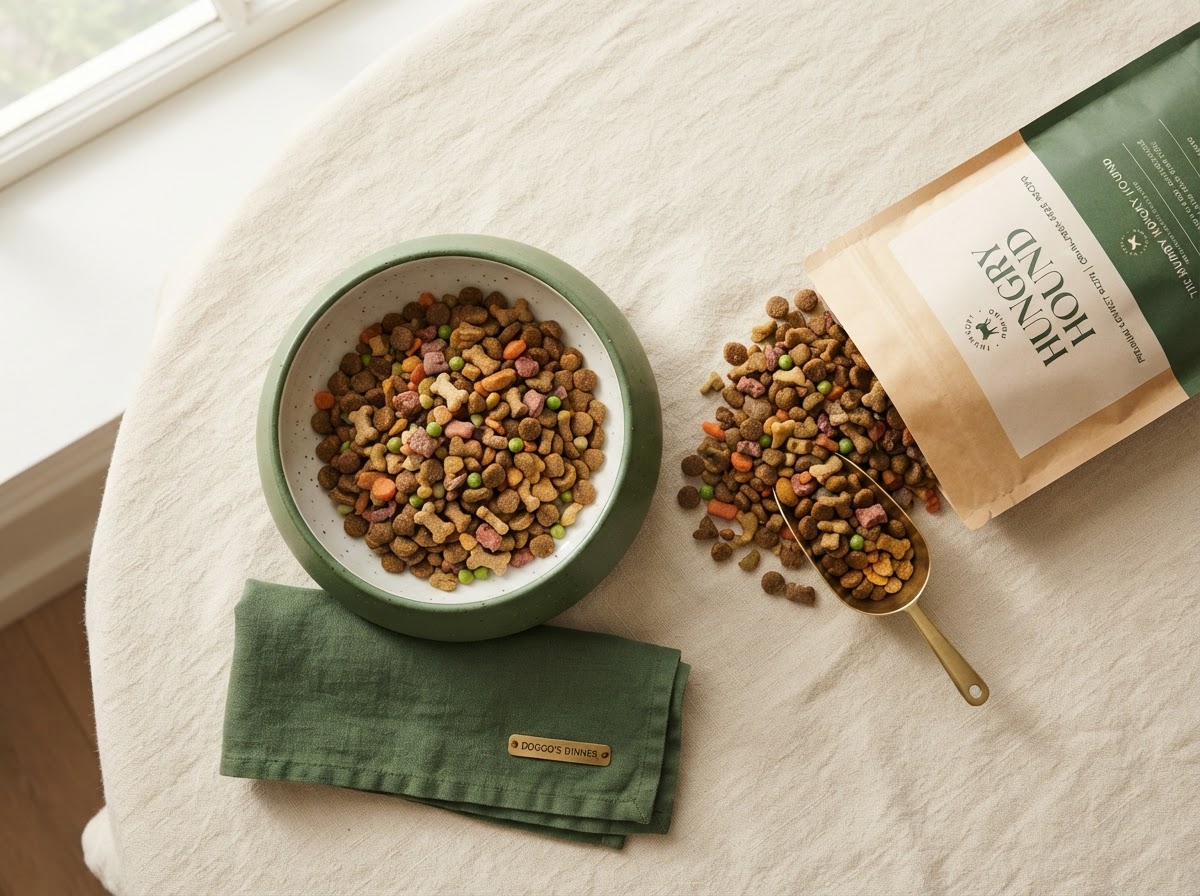
Dog food
Dog feeding essentials — from complete dry and puppy recipes to bowls, slow feeders and storage. We compare by life stage and feeding style, with no invented nutritional claims.
Match the food to your dog's life stage first (puppy, adult or senior) and check the label for 'complete' nutrition. Pair it with a bowl sized to your dog's muzzle — stainless steel or ceramic for easy cleaning — and a slow feeder if your dog gulps. Store kibble in an airtight container to keep it fresh.
Product types and features are buying guidance; check the retailer’s listing for details.
Dry food
Complete dry dog foodComplete and balanced dry kibble — compare recipes by life stage, protein source and any dietary needs.
Dry food
Puppy complete foodPuppy-specific complete food formulated for growth — check kibble size and energy density for your breed.
Feeding accessories
Stainless steel dog bowlA durable, easy-clean stainless steel bowl for everyday meals — dishwasher-safe and tip-resistant.
Feeding accessories
Slow feeder bowlRidge-patterned bowl that paces fast eaters and supports digestion through enrichment feeding.
Feeding accessories
Airtight food storage containerAirtight container that keeps dry food fresh and pest-free, with a scoop and clear capacity.
A 'complete' food provides all the nutrients your dog needs on its own. 'Complementary' foods (like many wet pouches or mixers) are meant to be fed alongside something else. Always check the packaging.
Transition gradually over 7–10 days, increasing the proportion of new food while decreasing the old. This helps reduce the chance of an upset stomach.
Ad · We may earn a commission from these links, at no extra cost to you. Product types and features are buying guidance; check the retailer’s listing for details.